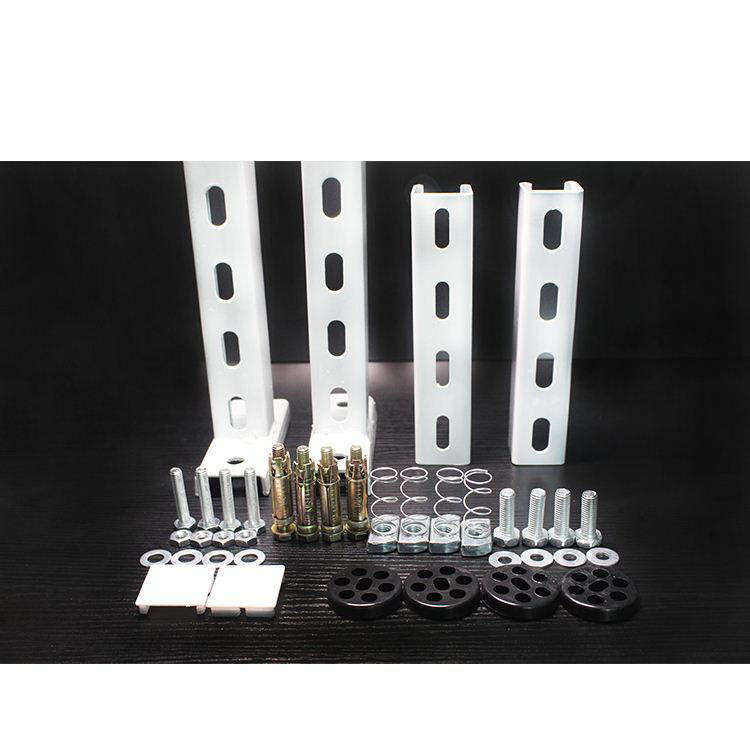
Outdoor stands for air conditioners actually do three main things for homeowners: they lift the unit, keep it stable, and protect against damage. When installed properly, these stands raise condenser units anywhere from about 4 to maybe even 12 inches off the ground. This simple elevation helps stop water from getting into the unit during heavy rains and cuts down on rust caused by damp soil around the base. The sturdy frame of good quality stands works against those annoying compressor vibrations we all know too well. These vibrations can reach forces somewhere around half a G to over one G while running according to HVAC standards folks talk about. Less vibration means less wear and tear on both the refrigerant lines and electrical parts inside. Plus, having the unit elevated makes it harder for critters like raccoons or squirrels to build nests nearby, and keeps grass clippings and leaves from piling up against the sides where they might cause problems later on.
When HVAC units sit on properly leveled stands, they run more efficiently because refrigerant flows better and the condenser coils stay aligned correctly. Research from mechanical engineers back this up showing that crooked installations put extra stress on compressors, sometimes increasing workload by nearly 18%. Getting the height right also keeps air moving freely around the equipment, which matters a lot since ground mounted systems lose about 10 to maybe 15% efficiency when plants grow up around them or snow builds up. For businesses looking at long term durability, commercial quality stands made with galvanized steel actually last longer than cheaper alternatives. Tests show these premium frames corrode about 30% slower under harsh conditions, making them worth the investment for facilities that need reliable cooling over many years.
| Feature | Basic Concrete Pads | Advanced Structural Stands |
|---|---|---|
| Vibration Damping | None | Integrated rubber isolators |
| Adjustability | Fixed height | Leveling screws (±2" range) |
| Environmental Resistance | Prone to cracking in freeze-thaw cycles | Powder-coated or stainless steel construction |
| Installation Time | 2–4 hours (curing required) | 45–90 minutes (bolt-together) |
While basic pads cost 40–60% less initially, advanced stands reduce long-term maintenance costs by 55% over 10 years through superior durability and serviceability.
When setting up an outdoor AC unit stand, finding the right spot means walking a fine line between easy access and keeping it safe from the elements. Most installers recommend leaving about three feet of space between the unit and any walls or plants nearby. Also important is steering clear of spots that might flood during heavy rains or collect ice in winter months. The numbers tell a story too – research shows that air conditioners sitting in full sun need roughly 18 to 23 percent extra power just to cool things down compared to those in shade, according to some recent industry findings from ASHRAE back in 2023. For best results, look for north facing walls or locations where afternoon shade naturally occurs throughout the day. This helps cut down on unwanted heat buildup from the sun.
Industry standards mandate:
These specifications prevent airflow restrictions that can reduce efficiency by up to 15%, while allowing technicians to perform refrigerant line maintenance and coil cleaning.
More than 40 percent of compressors failing early actually come down to bad stand installation problems, especially when the tilt angle gets messed up and causes all sorts of condensate drainage headaches (ACHR News reported this back in 2022). When setting up those stands, make sure they stay pretty level across the whole thing—something like no more than a quarter inch drop per foot or about 2 centimeters per meter works fine. And definitely go with those corrosion resistant screws meant for outside conditions instead of regular hardware. One thing many folks overlook is placing the stand right next to an outside wall because that just makes everything vibrate more and sends annoying noises right through the house walls where people live. Trust me on this one after seeing what happens when someone skips these basic steps.
Proper leveling of air conditioner outdoor unit stands prevents oil migration in compressors, ensuring even lubrication distribution. A 2023 HVAC Association study found units tilted beyond 2° experienced 40% faster compressor wear. Laser-level installation tools reduce tilt errors by 76% compared to manual bubble levels, maintaining manufacturer-recommended operating angles for refrigerant flow optimization.
Anti-vibration solutions reduce noise by 12–18 decibels (dB) while protecting internal components:
| Material | Vibration Dampening | Weather Resistance | Cost per Unit |
|---|---|---|---|
| Neoprene Pads | 85% Reduction | Excellent | $18–$25 |
| Rubber Isolators | 92% Reduction | Good | $30–$45 |
| Spring Mounts | 97% Reduction | Moderate | $55–$80 |
Field tests show combining rubber isolators with weighted concrete bases decreases structural fatigue by 63% over five years.
Technicians using digital inclinometers achieve 0.1° precision adjustments versus 0.5° with analog tools—critical for condensate drainage requiring a 1–3° downward tilt. Improper drainage angles account for 29% of ice buildup complaints in humid climates, according to 2024 refrigeration maintenance reports.
Factory anti-vibration feet reduce 72% of high-frequency vibrations (30–60 Hz), but they fail to address low-frequency structural resonance below 15 Hz common in multi-unit installations. Supplemental vibration dampeners improved system longevity in 89% of commercial installations surveyed across three climate zones.
Galvanized steel stands with cross-bracing withstand 150 mph wind loads and 70 lb/ft² snow loads—exceeding ASHRAE 2023 standards by 22%. Proper anchoring into concrete footings prevents 92% of frost heave displacement incidents in northern regions, maintaining operational stability through seasonal transitions.
Concrete pads can hold serious weight, up to around 1,200 pounds actually, which makes them pretty much the go-to choice when installing those big commercial air conditioning systems. They stand up pretty well against rust and sun damage too, but there's a catch. The real problem comes with freezing weather causing cracks over time. According to some research published last year in the HVAC Infrastructure Report, about half (that's roughly 53%) of these concrete bases show signs of cracking after just five years of service. Plus, since concrete doesn't absorb vibrations very well and these pads are meant to stay put forever, it creates headaches when technicians need to do repairs or move equipment around later on.
Polypropylene and recycled polymer stands offer 85% faster installation times compared to concrete. Weighing under 25 lbs, these modular platforms support standard residential units (300–600 lbs capacity). However, prolonged UV exposure leads to material degradation, with leading manufacturers reporting up to 20% stiffness reduction after three years outdoors.
Steel-reinforced plastic composites and rubberized concrete blends overcome key weaknesses of traditional materials. These systems reduce vibration transmission by 40–60% compared to basic stands while maintaining weather resistance. Modular interlocking designs allow height adjustments (4–12" range), ideal for flood-prone areas and adaptable without specialized tools.
| Material | Initial Cost | Lifespan | Maintenance Cost/Year | Best Use Case |
|---|---|---|---|---|
| Concrete | $120–$250 | 10–15 yrs | $30 (sealing/cracks) | Permanent heavy-duty installs |
| Plastic | $80–$160 | 7–12 yrs | $12 (UV protection) | Residential replacements |
| Hybrid | $200–$400 | 15–20 yrs | $18 (joint inspection) | High-vibration/commercial |
Concrete production generates 0.93 lbs CO² per pound of material, significantly higher than recycled plastics at 0.22 lbs. Modern polymer stands incorporate 30–60% post-consumer waste, while hybrid models enable material separation for over 90% recyclability. Regional climate influences eco-impact: arid environments favor UV-stable plastics, while wetter regions benefit from corrosion-resistant hybrids.
Raising your air conditioner outdoor unit stand 6–12 inches above ground level reduces flood risks by 72% compared to ground-level installations (HVAC Efficiency Journal 2022). Elevated designs with reinforced legs or concrete piers channel rainwater away from electrical components, preventing corrosion and short circuits.
Galvanized steel guards or powder-coated mesh screens block 89% of airborne debris and deter rodents from nesting. In coastal areas, aluminum stands with UV-resistant coatings resist saltwater corrosion, extending unit lifespans by 3–5 years in harsh climates.
Modular platforms with removable side panels allow full coil access for cleaning while maintaining clean sightlines. Quick-release fasteners reduce service time by 40% compared to bolted designs, helping meet OSHA clearance requirements without sacrificing visual appeal.
Proactive inspection access cuts annual repair costs by $290 on average by enabling early detection of refrigerant leaks or airflow obstructions. Drainage-friendly designs with a 1–2° tilt angle prevent winter ice buildup, reducing defrost cycle energy consumption by 15–18%.
 EN
EN


 Hot News