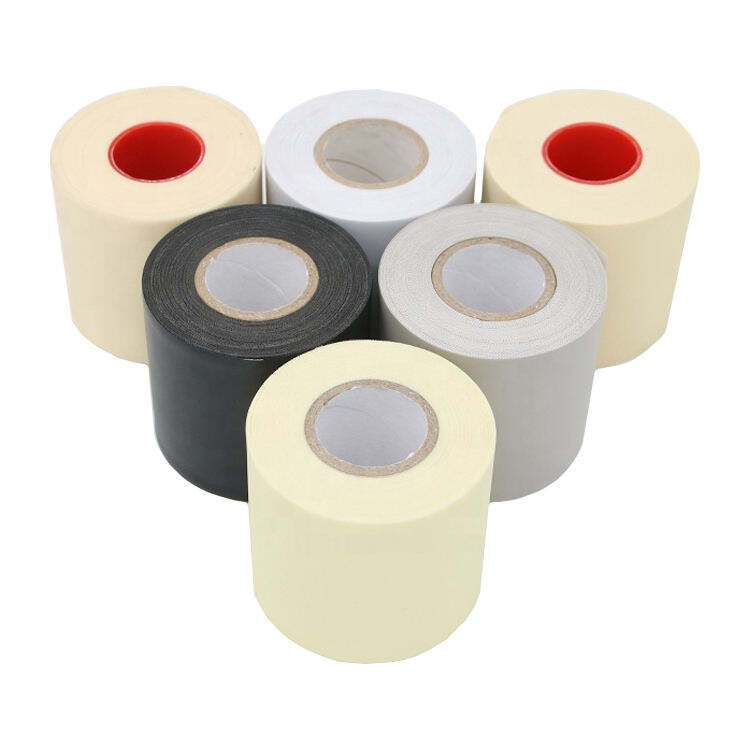
HVAC systems run in pretty harsh conditions when it comes to temperature. The ducts can get really hot sometimes, pushing past 150 degrees Fahrenheit (around 65 Celsius) when they're working hard. Regular old adhesives just can't handle this kind of heat. They start breaking down, which means the tape peels off and creates those annoying air leaks we all hate. That's where heat resistant tapes come in handy. These special tapes have either acrylic or silicone based glue that sticks around even when things get roasty. According to some research from last year, these specialized HVAC tapes hold onto about 90% of their stickiness at 200 degrees F (about 93 C). Meanwhile regular tapes give up the ghost entirely once temps hit around 130 degrees F (54 C). Makes sense why professionals would want to invest in better quality stuff for such demanding applications.
High-temperature air conditioning unit tape combines three critical components:
| Material | Function | Temperature Threshold |
|---|---|---|
| Aluminum carrier | Reflects radiant heat | Up to 500°F (260°C) |
| Silicone adhesive | Maintains flexibility under thermal stress | -40°F to 400°F (-40°C to 204°C) |
| Polyester film | Prevents adhesive oxidation | 300°F (149°C) |
These layers work synergistically to resist adhesive breakdown and substrate damage during thermal cycling.
Using generic duct tape in HVAC systems reduces energy efficiency by 15–20% due to air leaks from adhesive failure (Ponemon Institute, 2023). As temperatures rise:
This leads to increased maintenance costs and system strain.
When choosing tape for HVAC systems, it's important to pick something with a max continuous service temp that's about 25% hotter than what the system actually reaches at its hottest point. Let's say we're talking about those combustion air ducts that can get up around 180 degrees Fahrenheit (which is roughly 82 Celsius). The tape needs to be good for at least 205 degrees F (around 96 C) to work properly. Don't forget about season changes either. Outdoor units placed in really hot desert areas might actually need tape rated for 300 degrees F (about 149 C) because of all that extra heat from direct sunlight beating down on them during summer months.
Most contractors have turned to aluminum foil tapes for metal ductwork jobs, with around 87% opting for them as per the latest ASHRAE findings from 2023. What makes these tapes stand out is their embossed aluminum surface that bounces back nearly all radiant heat - talking about 97% reflection here. Plus they stick even when temperatures climb past 250 degrees Fahrenheit. The real kicker though? These products pass the tough UL 181 tests regarding how fire spreads and smoke develops. That's why plumbers need them specifically for those critical plenum spaces where air quality matters most.
Film tapes with acrylic or butyl backings provide reliable adhesion on fiberglass-insulated ducts and curved surfaces. Their conformable polyester or PVC layers bond securely to uneven substrates, reducing air leakage by 38% compared to rigid alternatives (National Insulation Association, 2024). Key benefits include:
High temp AC unit tapes are made with silicone adhesive combined to ceramic backed materials designed to handle heat above 500 degrees Fahrenheit. These kinds of tapes work great in places like boiler rooms where temperatures get really hot or on rooftops that bake under direct sun exposure all day long. Recent testing from last year found these specialty tapes lasted way longer than regular ones against UV damage about fourteen times better actually and still held strong even after sitting through twelve whole months of extreme weather changes. When shopping around for tough jobs in harsh conditions, check those thermal ratings first something like 600 degree Fahrenheit continuous operation mark and make sure they carry NSF certification too especially important if working near food processing areas where safety standards matter most.
Modern high-temperature air conditioning unit tape relies on three adhesive technologies: acrylics for rapid bonding, butyl for vibration dampening, and silicone for extreme heat resistance. Each is engineered to address specific HVAC challenges through tailored molecular structures.
At around 150 degrees Celsius, acrylic adhesives still hold about 85% of their original bonding power and they stick pretty well right away too. The butyl versions work great on uneven surfaces because they can move and flex, making them perfect for parts that need to stay bonded even when things are moving around. Silicone based glues really shine in tough environments where temperatures swing wildly between minus 65 and plus 300 degrees. What makes these materials stand out is their ability to handle shear forces up to 4,000 pounds per square inch without losing their grip or letting plasticizers escape. This property is especially important for compressor casings that experience continuous vibrations throughout operation.
Acrylic materials handle moisture really well, can stand up to humidity levels as high as 92%, which is why they work so great in places near the ocean where salt air hangs around all day long. Now when it comes to butyl adhesives, these stay pliable even at temperatures below freezing point (-40 degrees Celsius), but they start breaking down about 30 percent quicker when exposed to sunlight over time. That's where silicone adhesives shine though. They naturally resist UV damage much better than their competitors. Testing shows silicone holds up three times longer than alternatives in those lab simulations that speed up aging processes. Makes sense why many contractors prefer them for outdoor projects that need lasting durability.
New hybrid silicone adhesives offer 500% elongation capacity and enhanced UV resistance, extending outdoor tape life by 18 months. These advanced formulations now allow direct application on rooftop units without protective wraps, reducing installation labor by 25%.
Air conditioning tape designed for high temps needs to stick reliably on all sorts of surfaces in HVAC systems. We're talking about metal ductwork, those bendy plastic connections between sections, and even the fibreglass insulation that keeps everything warm or cool. According to recent research published last year in an HVAC materials journal, nearly half (about 42%) of all tape failures happen because different materials just don't play well together. Sometimes chemicals in the tape react badly with what's already on the duct surface, other times the insulation starts breaking down over time. When dealing specifically with metal parts, most professionals reach for aluminum foil tape with acrylic adhesive backing. These tapes can handle shear forces around 45 pounds per square inch, which is pretty impressive considering what they face daily. For those flexible duct segments though, butyl based adhesives work better when combined with stretchable backing materials. This combination helps absorb vibrations throughout the system that would otherwise cause regular tapes to fail prematurely.
The HVAC tapes we install today have to handle all sorts of challenges at once. Thermal changes, physical stress from installation, plus whatever Mother Nature throws their way. According to field tests conducted across the industry, those special UV resistant silicone adhesives still hold strong with around 90% bond strength after sitting under sunlight for roughly 5,000 hours. That kind of durability matters a lot when installing equipment on rooftops where sun exposure is constant. When dealing with places that get really damp, the cross linked polymer stuff works wonders against water breakdown problems even when humidity levels hit 90%. Not all tapes are created equal when it comes to pressure handling either. Foil based products can take quite a beating, supporting pressures above 50 psi in those tight pressurized duct systems. Meanwhile, the film versions perform better in areas where air leakage is a concern but pressure isn't so intense.
An HVAC system upgrade at a large commercial building ran into trouble when the sealing tape started peeling off just eight months after installation. The problem? The contractors had applied regular acrylic tape to galvanized steel ducts that were already treated with anti-corrosion solvents. These solvents basically broke down the adhesive properties of the tape, weakening the bond by almost three quarters according to standard industry testing methods (like ASTM D903 peel tests). When they switched over to special silicone-based tapes designed to resist chemical exposure, the problems stopped completely. After two full years of operation, there was absolutely no sign of deterioration even though these ducts regularly endured extreme temperatures ranging from freezing winter conditions at minus 20 degrees Fahrenheit all the way up to scorching summer heat in attics reaching 110 degrees. This experience really drives home how critical it is to check whether materials actually work together before doing any kind of major repair or replacement work.
Air conditioning unit tape designed for high temps needs to meet UL 181 standards when it comes to fire and smoke safety. About 92% of places across America actually require this compliance according to NFPA data from last year. The good news is certified tapes can handle heat up to around 250 degrees Fahrenheit without losing their grip or breaking down. This makes them way better than regular alternatives at keeping HVAC systems running smoothly. Studies show they cut down on system failures by roughly 43%. Before making any purchases though, double check what's needed where the installation will take place since rules change depending on whether it's for homes versus businesses.
| Factor | Specification | Impact |
|---|---|---|
| Tape width | 2”–4" for ducts | Prevents airflow leakage |
| Thickness | 5–7 mils | Balances flexibility and tear resistance |
| Overlap ratio | 50% minimum | Ensures airtight seals under vibration |
Best practices for heat-resistant air conditioning unit tape include:
Third-party testing reveals a 34% gap between lab-reported adhesive strength and real-world performance in humid conditions (ASHRAE, 2024). To ensure reliability:
HVAC Excellence Alliance data (2023) shows installers experience 23% fewer callbacks when combining UL 181-certified tape with technician training—underscoring the value of informed selection and proper application.
 EN
EN


 Hot News