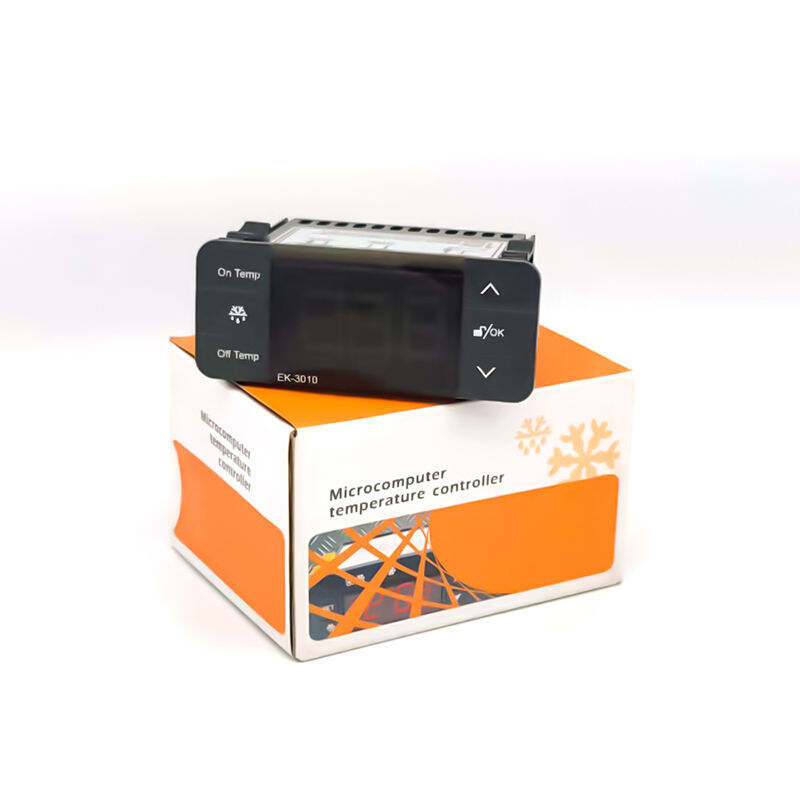
Modern HVAC systems leverage inverter-driven compressors that adjust motor speeds dynamically, reducing energy waste from frequent start-stop cycles. Unlike fixed-speed models, these compressors maintain precise temperature control while operating at 30–80% lower power consumption during partial-load conditions. This adaptive cooling capability makes them ideal for regions with fluctuating climate demands.
| Feature | Traditional Compressors | Modern Variable-Speed Compressors |
|---|---|---|
| Energy Use | Fixed speed (100% or off) | Adjustable (25–100% capacity) |
| Temperature Stability | ±3°F fluctuations | ±0.5°F precision |
| Annual Energy Cost | $220–$290 (DOE 2022) | $90–$150 (DOE 2022) |
As shown, next-gen compressors cut operational costs by 40–60% while enhancing comfort through reduced temperature swings.
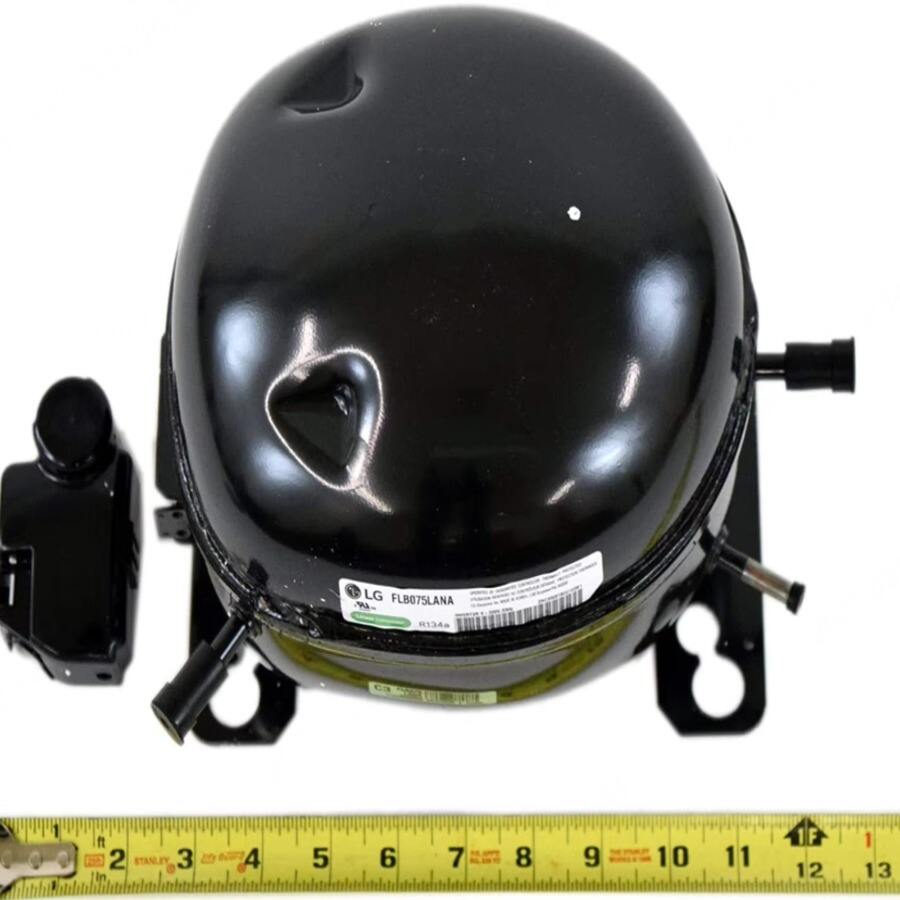
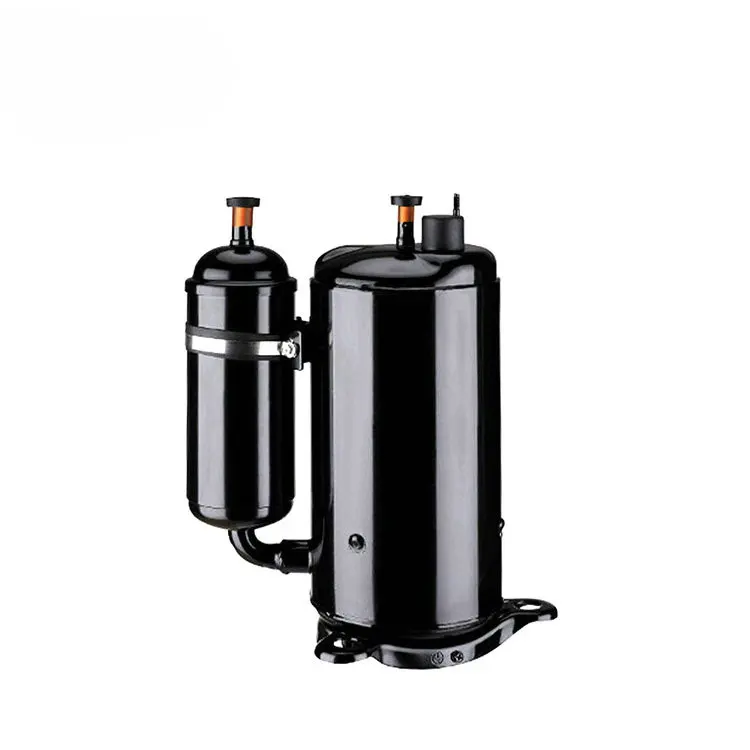
Digital scroll and rotary compressors integrate real-time pressure sensors and AI algorithms to optimize refrigerant flow. A 2023 Federal Register analysis found these systems achieve 18–22% higher Seasonal Energy Efficiency Ratios (SEER) compared to analog models. Their adaptive staging also minimizes wear on components, extending system lifespans by 3–5 years.
New vapor-injection and dual-fuel heat pumps maintain 95% heating capacity at -15°F, a 300% improvement over legacy systems. These designs use cascade compression circuits to redistribute thermal energy, ensuring reliable operation during both Arctic cold snaps and desert heatwaves.
Field studies reveal inverter-based HVAC systems reduce annual electricity use by 1,200–1,800 kWh per household. When scaled across commercial buildings, this translates to $740–$980 in savings per ton of cooling capacity annually (Ponemon 2023). Their soft-start functionality also decreases grid strain during peak demand periods.
Today's heating and cooling systems are getting pretty smart thanks to artificial intelligence that learns when people are around and changes how it cools spaces accordingly. The latest smart thermostats look at past behavior patterns to figure out what temperatures work best, which can cut down on electricity bills significantly - some studies suggest around 30% savings over older models. What makes these systems really stand out is their ability to connect with all sorts of internet-connected gadgets. Homeowners can tweak settings from their phones anytime or even ask Alexa to make adjustments, yet still keep the house feeling comfortable no matter what's going on outside.
With machine learning technology, modern HVAC systems can actually figure out what kind of heating or cooling will be needed next based on things like current weather conditions and how many people are in the building at any given time. These smart algorithms work behind the scenes adjusting things like air flow speed and compressor operation so buildings stay comfortable while not wasting energy unnecessarily. According to research published last year, commercial properties equipped with these intelligent systems saw their equipment running time drop around a quarter compared to traditional setups. That means big money saved over time for business owners who want both lower bills and greener operations.
Systems such as the USAC protocol rely on IoT sensors to keep track of various performance indicators including refrigerant pressure levels and coil temperatures across HVAC units. The collected information gets sent to central monitoring interfaces where service engineers can spot problems from afar and fine tune the system's efficiency without needing to physically inspect every component. Many modern buildings now employ cloud based analysis tools that actually detect early signs of trouble spots like blocked filters or poorly sealed ducts long before these minor issues turn into major headaches for facility managers. These predictive capabilities save time and money while keeping indoor environments comfortable throughout the year.
Advanced occupancy sensors detect human presence and adjust cooling output room-by-room. In office environments, these sensors reduce energy waste in unoccupied spaces by 40% while maintaining comfort in high-traffic zones. Paired with CO₂ and humidity sensors, they ensure air quality remains within WHO-recommended thresholds.
IoT-enabled vibration and temperature sensors predict component failures—like compressor wear or refrigerant leaks—with 92% accuracy (ASHRAE 2024). Automated alerts notify technicians to replace parts during scheduled maintenance, minimizing downtime. Smart HVAC systems using this approach reduce repair costs by 35% over traditional reactive models.
Key Innovation: Systems combining AI and IoT achieve a 20–50% reduction in energy use compared to non-connected HVAC units, while maintaining superior comfort through adaptive control loops.
Today's air conditioners come equipped with self cleaning filters that either zap contaminants with static electricity or blast them with UV light, cutting down on manual cleaning tasks by around 40 percent. The system takes care of itself really, sweeping away dust and grime while it runs, which keeps air flowing properly and saves energy that would otherwise be wasted on blocked parts. Some units even have tiny brushes inside the evaporator coils that kick into action when the unit isn't running, shaking loose whatever dirt manages to stick around. This design meets the latest requirements set forth by ASHRAE in their 2023 guidelines about how well these systems should trap particles from the air we breathe.
The smart IoT sensors inside modern systems keep an eye on things like refrigerant pressure levels, voltage spikes, and how worn out those fan motors are getting. These little tech wonders can actually predict when something might go wrong anywhere from 10 to 14 days ahead of time. Industry numbers show that this kind of foresight cuts down on system downtime by around half compared to waiting until something breaks down. The algorithms behind all this work by checking what's happening right now against what the manufacturers say is normal. When they spot anything off track, they send alerts straight to technicians so they know exactly when to swap out components such as capacitor banks or those tricky reversing valves before a breakdown happens and disrupts operations.
Today's air conditioning units are starting to use some pretty cool composite materials that mix graphene reinforced polymers with ceramic matrix stuff. The big deal is these new materials conduct heat about 40 percent better than old fashioned aluminum coils, which means they work just as well even when temperatures swing wildly from super cold at -40 degrees Fahrenheit all the way up to scorching hot 302 degrees. Another neat feature comes from self healing alloys that basically fix themselves when tiny cracks appear in those heat exchange parts. This has made a real difference in places like deserts where maintenance crews used to have to check these systems much more often before. Some studies show maintenance needs drop around two thirds in such harsh environments, saving both time and money for building operators.
Silica coatings at the nanoscale level help stop corrosion in refrigerant lines and boost laminar flow efficiency somewhere around 18% over regular surfaces that haven't been treated. Some manufacturers are now putting phase change nanoparticles right into their insulation foam. These tiny particles work like little heat sponges, soaking up extra warmth when cooling systems hit their peak performance moments. The result? About 25% improvement in how well they retain temperature compared to old school fiberglass materials. What does all this mean for consumers? Air conditioning units can be made smaller and lighter without losing any of their energy efficiency benefits. HVAC companies are starting to see real advantages in both product design and customer satisfaction from these advancements.
Today's universal remotes for air conditioning systems have evolved into something much more than just remote controls. They act as central control points for entire HVAC systems from different brands, letting people manage their air conditioners, thermostats, and even those fancy smart vents all from one place. With these integrated systems, homeowners can set up personalized cooling routines, tie them into local weather updates, and keep an eye on how much energy each room is actually using. The best part? These devices work seamlessly with popular voice assistants such as Alexa and Google Home. No need to juggle multiple apps anymore. Just ask your smart speaker what needs adjusting and get things done without ever touching a screen.
Most manufacturers focus on making different systems work together by using standard ways for devices to talk to each other like Wi-Fi or Zigbee, plus they build special software connections called APIs. According to some recent research from ASHRAE back in 2023, around three out of four people really appreciate having one remote that can handle both old equipment and newer stuff at the same time without needing any extra hardware installed. Companies also design physical buttons that match what's shown on their apps so everyone can access them easily, especially those who might struggle with small screens. And when it comes to keeping everything compatible as new air conditioning models come out, automatic software updates do most of the heavy lifting behind the scenes.
Universal remotes can take control of all those different air conditioning systems in one place – split systems, window units, even those ductless mini-splits. When they're not needed anymore, these remotes shut everything down at once instead of letting them draw power while sitting idle. Some models come with smart sensors that detect when nobody's around and automatically switch to eco mode. According to the Department of Energy report from 2022, this kind of setup typically cuts cooling costs by somewhere between 15% and 20%. Homeowners also get handy features like maintenance reminders and filter life indicators working across several AC brands, making it much easier to keep track of everything related to climate control in the house.
These advancements position universal remotes for AC units as critical tools for achieving energy-efficient temperature control without requiring costly smart AC replacements.
 EN
EN


 Hot News