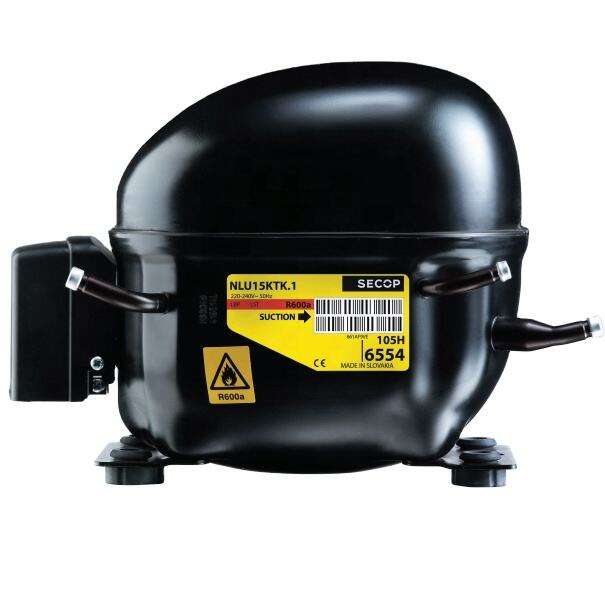
R600a compressors boost how well refrigeration systems work because they make better use of energy through their thermodynamic processes. The R600a refrigerant transfers heat much better than older options and requires less effort to compress, which means these newer compressors can have a coefficient of performance (COP) that's around 30% better than the traditional R134a models most people still use today. Recent research from 2023 showed something interesting too - when manufacturers tweak the internal design of these R600a units, they actually cut down on wasted energy. This leads to real world improvements where businesses see their COP numbers go up between 0.15 and 0.25 points across various commercial cooling applications.
Precision-machined scrolls and dual-stage compression are key innovations in modern R600a compressor design, reducing power demand by 18–22% compared to conventional units—even under peak loads. Enhanced bearing systems minimize parasitic losses, further boosting overall system efficiency.
Variable-speed R600a compressors adjust output based on real-time cooling needs, eliminating the energy waste associated with fixed-speed cycling. Field tests show this adaptive control cuts annual energy use by 24–37% in grocery display cases. The technology also extends component lifespan by up to 40% due to reduced mechanical stress.
A regional grocery store network upgraded 85 locations across the Midwest last year by installing R600a variable speed compressors along with smart load management systems connected via IoT technology. These improvements cut down refrigeration energy usage by nearly 40%, which translates to around 1.2 million kilowatt hours saved each year. What's impressive is that they managed all this while keeping temperatures stable within half a degree Celsius in areas where fresh produce and meats are stored. When factoring in both reduced electricity bills and lower maintenance costs from fewer breakdowns, most stores saw their investment recouped within just over two years according to company reports.
R600a, also known as isobutane, stands out as a natural refrigerant that's becoming increasingly popular compared to synthetic alternatives such as R404A. The difference in their environmental impact is staggering really. While R600a has a Global Warming Potential rating of only 3, R404A clocks in at an eye-watering 3,922 according to recent data. That means switching over cuts direct emissions down by nearly 99.9%, which makes a world of difference for companies concerned about their carbon footprint. Pair these eco friendly refrigerants with modern high efficiency compressors and what do we get? Systems that perform well environmentally while still maintaining good operational results. Most major equipment makers have made the switch to hydrocarbon based solutions lately, partly because they need to comply with tighter regulations around efficiency standards but also because they want to phase out those old ozone destroying chemicals from their product lines completely.
The EU F Gas Directive is pushing for an impressive 79 percent cut in HFC usage across Europe by the year 2030. Refrigerants like R 600a offer a solution here since their global warming potential is so low they basically eliminate the risk of fines associated with using those problematic high GWP alternatives. Around forty nations worldwide have already signed on to the Kigali Amendment goals, which means there's real momentum behind moving away from synthetic refrigerants. This growing international support makes R 600a systems increasingly attractive for businesses looking to stay ahead of evolving regulations while maintaining operational efficiency.
Hydrocarbon refrigerants can catch fire, though today's safety protocols handle this pretty well. Most systems keep charges under 150 grams per circuit and come with built in leak detectors these days. Studies indicate when R-600a systems are designed correctly, they're just as safe as those using traditional HFCs but leave behind about 30 to 40 percent less carbon emissions. For businesses looking to go green without sacrificing operational reliability, these hydrocarbon options represent a smart middle ground between environmental responsibility and practical functionality.
Sensors connected to the internet keep track of important stuff like how much temperatures change, when compressors shake around too much, and what's going on with refrigerant pressure levels. These devices send out readings roughly every 2 to maybe 15 seconds depending on setup. The real benefit? Catching problems early on before things actually break down. Take bearing wear or those pesky refrigerant leaks for example. A company that stores frozen goods saw their false alarm rate drop by almost two thirds once they started using vibration checks specifically on their R600a compressors according to some research from Ponemon in 2023. Not only did this cut down on unnecessary maintenance calls, but it also made their whole cooling system work better overall.
Modern refrigeration systems now rely on machine learning to make sense of all those sensors and fine tune cooling cycles while spotting potential problems before they happen. A particular neural network setup managed around 92 percent accuracy when it came to predicting when frost would start forming on evaporator coils three full days ahead of time. This early warning allowed technicians to schedule defrosting at optimal moments, cutting down on wasted energy by roughly 18 percent according to field tests. The smart controllers don't just sit there doing nothing either they constantly tweak temperature settings throughout the day depending on how often doors get opened and what the surrounding air feels like. Most commercial units can keep temperatures stable within plus or minus 0.3 degrees Celsius even during busy periods when things get chaotic inside the cold storage area.
One major grocery store network rolled out smart sensors for predictive maintenance on all their cold storage units last year. They connected information about how compressors were performing to what products were stocked and when technicians had previously serviced them. The system would flag which freezers needed attention first based on risk factors. This approach slashed unexpected breakdowns by almost half and made those cooling systems last nearly two years longer than before. The company saved around quarter of a million dollars each year just from less food going bad and fewer repair crews showing up unannounced. Plus, shelves stayed fully stocked even during busy holiday periods thanks to that 99.97 percent reliability rate.
Manufacturers are turning to stainless steel alloys and carbon fiber for refrigeration parts because they stand up better against rust in those damp, humid conditions. The ASM International report from last year showed something interesting too these newer materials actually cut down on component weight by around 15 to 20 percent while still keeping their structural integrity intact. Some companies have swapped out traditional copper-aluminum setups for nickel-based superalloys instead. This change makes a real difference in places like ships and factories near coastal areas where saltwater gets everywhere fast. We're seeing service life extend by roughly 40% in these harsh environments, which means fewer replacements and maintenance headaches over time.
Advanced CNC machining and robotic welding now achieve tolerances under 5 microns, addressing refrigerant leakage points responsible for 34% of system efficiency losses (NIST 2022). Laser-arc hybrid welding creates seamless joints in compressor housings capable of withstanding 50% more pressure cycles than standard methods, extending maintenance intervals by 2–3 years in commercial freezer units.
The latest generation of hermetic compressors comes equipped with laser welded stainless steel casings and magnetic bearings that allow them to run without maintenance for well over 100,000 operating hours. According to a recent 2023 industry report, when manufacturers started applying graphene coatings to scroll parts, they saw friction losses drop by around 28 percent. This improvement made a real difference in how efficiently R600a refrigeration systems work. Looking at actual field data from cold storage facilities across North America, there's been an impressive reduction in total system failures too. The numbers tell the story pretty clearly: we're talking about nearly 75 to 80 percent fewer catastrophic breakdowns in perishable goods transportation networks since these new technologies became widely adopted just five years ago.
The world of solid state cooling tech, think elastocaloric materials and those thermoelectric modules, is really changing how we handle temperature control in places that need extreme precision. Some recent work published in Nature back in 2025 showed something pretty impressive too. They found these special shape memory alloys could actually be about 42 percent more efficient at cooling compared to traditional vapor compression systems when tested in laboratory settings. Why does this matter? Well, look no further than medical freezers that need to maintain those super cold -40 degree Celsius temperatures or semiconductor manufacturing facilities where even the slightest vibration can ruin delicate components. These new cooling solutions just work so much better in those situations because they run completely silent and without any vibrations whatsoever.
The magnetocaloric cooling technology seems promising since early tests showed around 30% less energy consumption compared to traditional methods. But there's a catch the high quality alloys needed for this tech come at a steep price tag of about $480 per kilogram, which makes it tough to scale up production. On the other side of things, new passive cooling systems are being developed that work by using natural air movement instead of relying on compressors altogether. These experimental models currently produce between 3 and 5 kilowatts worth of cooling power though. That kind of output isn't enough for most everyday applications yet, so we're seeing them mainly used in niche areas such as aircraft electronics where space is limited and weight matters a lot. The industry still needs significant improvements before these alternatives become viable options for broader markets.
Market forecasts indicate that the advanced cooling sector could hit around $2.3 billion by 2030, expanding at roughly 18.7% annually. About three quarters of manufacturers currently have their eyes on solid state technologies as potential game changers. However several roadblocks remain. Materials need to withstand over 50 thousand cycles before failing, something many current options struggle with. Regulations for hydrocarbon alternatives vary wildly across more than 140 nations, creating compliance headaches for companies trying to scale operations globally. Energy density remains another hurdle too, with most solid state systems delivering only about half what traditional vapor compression units manage (typically between 40-60 watts per liter compared to 150 W/L). Still, despite these limitations, we're seeing practical applications emerge through hybrid setups. Early tests show these combinations can cut energy consumption anywhere from 15% down to 25%, suggesting there's real value even if full replacement isn't happening anytime soon.
 EN
EN


 Hot News