Refrigeration access valves serve as critical control points in HVAC/R systems, enabling technicians to manage refrigerant flow and perform essential maintenance. These valves are engineered to withstand extreme pressures—up to 800 psi in commercial applications—while maintaining airtight seals, making their performance pivotal to overall system efficiency.
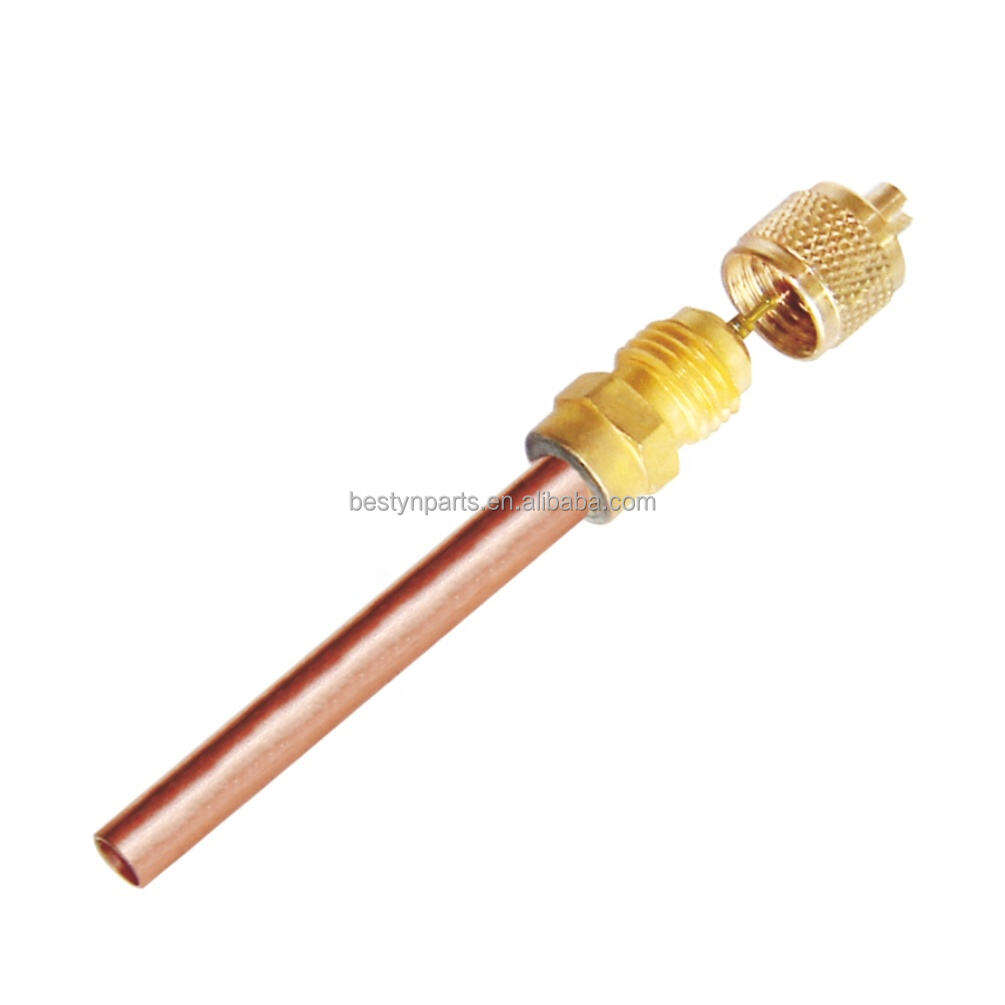
Access valves serve as entry points for managing refrigerants, letting techs add refrigerant, check pressures, and separate parts when doing repairs. Most modern ones use a quarter turn ball valve setup which gives good control over the flow. They're typically made from brass or stainless steel because these materials stand up better against corrosion over time. The numbers tell an interesting story too many shops have found that when access valves work right, they cut down on refrigerant losses during service calls by around 34% compared to older models. That kind of efficiency makes a real difference in both environmental impact and bottom line costs for HVAC operations.
Compromised valve seals can increase energy consumption by 12—18% due to refrigerant leaks and pressure fluctuations. A 2023 study of commercial chillers found systems with rigorously maintained valves maintained target temperatures using 23% less energy than those with degraded components.
Best practices combine three validation methods:
Field data shows facilities implementing quarterly testing protocols experience 67% fewer emergency repairs related to valve failures.
Properly maintained access valves directly correlate with equipment lifespan. Systems with proactive valve maintenance programs demonstrate:
| Maintenance Frequency | Average Compressor Lifespan |
|---|---|
| Annual checks | 7—9 years |
| Quarterly inspections | 12—15 years |
Regular servicing prevents cascading failures, with industry experts noting that 41% of compressor replacements stem from undetected valve-related refrigerant losses.
According to Ponemon's research from 2023, companies that implement proper valve maintenance see about 43% fewer problems with their refrigeration systems than those who only fix things when something breaks down. When technicians check valves regularly, they spot small issues before they become big headaches. Things like worn out parts, valves not sitting right in their seats, or seals starting to break down account for nearly two thirds of all unexpected compressor stoppages. Buildings that stick to regular maintenance checks end up spending around 18% less money on repairs each year because workers catch problems like loose valve stems or rusty caps long before any refrigerant starts leaking out into the environment.
Manufacturers recommend inspecting access valves quarterly for commercial systems, though high-usage environments like food storage may require monthly checks. Key actions include:
A 2024 Cold Chain Industry Report found facilities using predictive maintenance checklists reduced valve-related downtime by 31% through standardized lubrication and gasket replacement protocols.
Proactive valve maintenance cuts long-term expenses by $21 per square foot in industrial refrigeration systems. Addressing a leaking Schrader valve during routine service averages $120, versus over $3,500 for subsequent compressor repairs caused by refrigerant loss. Facilities leveraging thermal imaging report 92% faster leak detection, preserving both refrigerants and energy efficiency.
Annual failure rates for untested access valves reach 19% in commercial systems, compared to 4% for valves inspected biannually. Technicians should verify:
One dairy processing plant avoided $280,000 in production losses by replacing worn valve cores detected during a 12-minute inspection—preventing an estimated 14 hours of unscheduled downtime.
Refrigeration access valves commonly develop leaks, corrosion, and mechanical wear when maintenance is delayed. Industry studies show 34% of system inefficiencies originate from valve-related issues, primarily due to worn seals and misaligned components. Early warning signs include:
The 2024 Valve Reliability Report emphasizes that 72% of these problems show detectable symptoms 3—6 months before catastrophic failure.
Proactive maintenance teams use structured protocols to spot emerging defects:
| Defect Type | Inspection Technique | Tool/Indicator |
|---|---|---|
| Surface Corrosion | Magnified visual checks under bright lighting | 10x magnifier, UV dye kits |
| Seal Degradation | Wipe tests for oil residue at joints | Halogen leak detectors |
| Mechanical Wear | Stem movement measurement against tolerances | Dial indicator, manufacturer specs |
For example, technicians at commercial cold storage facilities reduced valve replacements by 41% by incorporating quarterly infrared thermography scans to detect temperature anomalies near valve cores.
Valve seizure and component fatigue account for 58% of emergency repairs in industrial refrigeration systems. Predictive strategies include:
A recent case study demonstrated how a meat processing plant avoided $220,000 in downtime by replacing a compromised king valve during routine torque testing, which revealed a 23% increase in operating resistance compared to baseline values.
Refrigeration access valves serve as critical control points for leak detection and system integrity. These components enable technicians to monitor pressure levels, inject trace gases, and perform functional tests without full system shutdowns—minimizing operational disruptions.
Testing procedures such as nitrogen pressure checks and ultrasonic scans can spot really tiny leaks down to about 0.05 ounces per year. Businesses that have adopted these techniques find they catch problems roughly 30 percent quicker than just looking around visually, according to research from Ponemon back in 2023. And when technicians combine electronic leak detectors with UV dye, they get pretty impressive results too. These setups manage to pinpoint refrigerant leaks at valves with almost perfect accuracy during regular checkups, hitting that sweet spot where most folks would consider something close enough to flawless for real world applications.
Proactive inspections reduce leak-related energy waste by 15—20% in industrial refrigeration systems. During standard checks, technicians assess seal integrity using torque measurements and thermal imaging, addressing minor wear before failures occur. Facilities implementing quarterly valve inspections cut annual refrigerant replacement costs by $18,000 on average.
A frozen logistics provider reduced annual refrigerant costs by $740,000 after integrating ultrasonic leak detection into valve maintenance routines. By training staff to test access valves during monthly preventive maintenance visits, the company achieved 99.6% leak containment across its 85,000 cubic foot storage network.
Despite advanced technologies, 42% of HVAC professionals report first identifying leaks through symptomatic clues like reduced cooling capacity—a practice that increases repair costs by 300% compared to preventive testing (Ponemon 2023). This gap underscores the need for standardized valve inspection protocols across commercial refrigeration operations.
Around one out of every five industrial refrigerant leaks comes from failed access valves, letting dangerous stuff like R-22 and flammable ammonia escape into the environment according to EPA data from last year. The good news is there are ways to catch these problems early on. Pressure decay testing combined with thermal imaging can spot tiny leaks long before they become major issues. Recent research published by ASHRAE in 2024 shows that companies doing regular valve checks four times a year saw a dramatic drop in unexpected refrigerant losses - something like three quarters reduction. This not only keeps workers safe but also stops harmful chemicals from getting into our air and water systems, which makes sense when we think about both worker safety and environmental protection.
Under the Clean Air Act regulations, commercial refrigeration systems need to keep their refrigerant leaks below 1% each year. An industry checkup last year found something interesting: places that stuck to regular valve maintenance hit around 80% compliance with these rules, while those waiting until problems showed up only managed about 35%. When technicians go through their inspection routine, they're checking things like how tight the valves are, looking at those little stem seals, and making sure those Schrader caps aren't damaged or missing. All these checks get recorded properly in compliance documentation as required. The combination of actual hands-on maintenance work plus proper paper trails really matters because companies can face serious penalties from the EPA if they fail to meet standards. We're talking potential daily fines reaching into the tens of thousands of dollars for refrigerant issues alone.
| Symptom | Root Cause | Resolution |
|---|---|---|
| Uneven pressure drops | Worn valve seat | Replace stem assembly |
| Frost on service ports | Damaged Schrader core | Install new core with PTFE sealant |
| Slow recovery cycles | Internal clogs | Flush valves with approved solvents |
Operators trained in F-gas regulations resolve 86% of valve-related efficiency losses within 2 hours, compared to 4-hour averages for general HVAC technicians. Regular valve core replacements every 3—5 years and proper torque calibration prevent 60% of chronic system performance issues.
 EN
EN


 Hot News