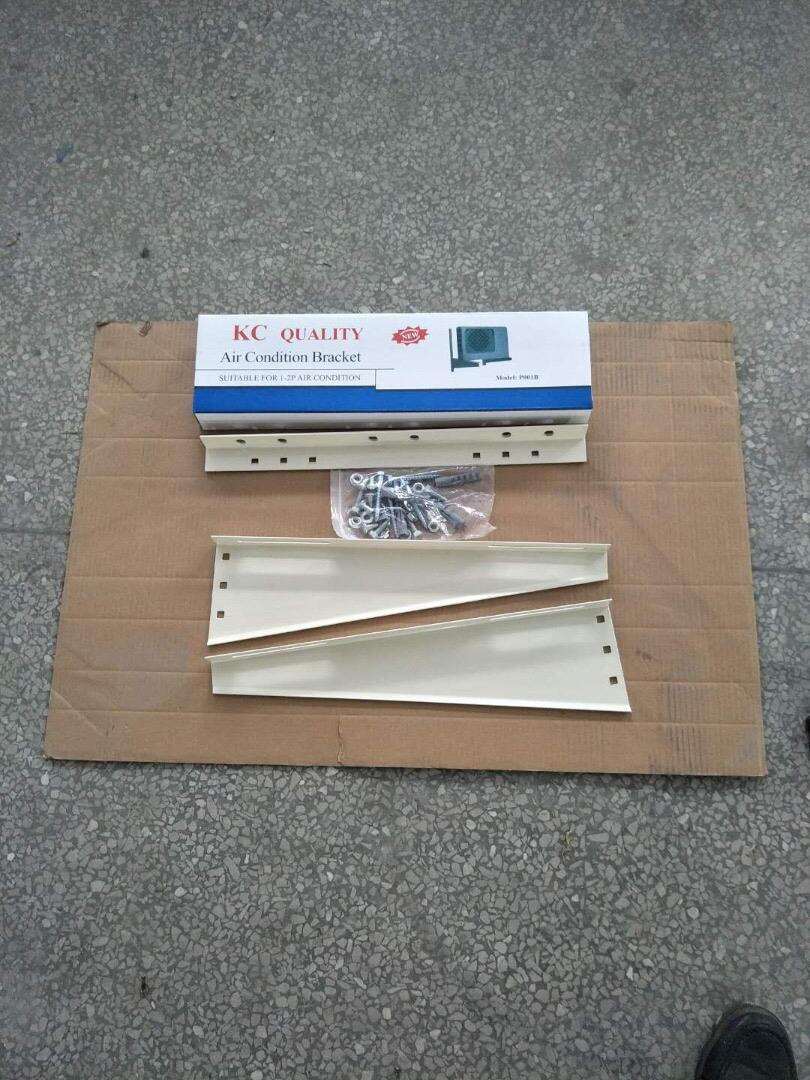
Good quality AC stands are essential for keeping things stable and avoiding expensive problems from shifting ground or vibrations. The outdoor units get shaken up all day long during operation. Some tests found that when these systems aren't properly supported, they actually have to work about 15% harder than normal according to last year's HVAC Efficiency Report. Sturdy steel frames with extra crossbars help keep everything level no matter what kind of weather comes along, which takes pressure off the compressor itself. Maintenance records tell another story too. Equipment installed on cheap platforms ends up needing fixes roughly one third more often compared to units placed on properly designed stands.
Raising your outdoor unit 4–6 inches above ground level delivers three key benefits:
This elevation allows snowmelt and irrigation runoff to drain away from electrical components, preventing corrosion and short circuits.
Getting good airflow around those condenser coils really cuts down on mechanical stress, which is actually responsible for about 63% of early AC breakdowns according to ASHRAE's 2022 report. Mesh stands made from galvanized material let almost 40% more air pass through compared to regular solid platforms without compromising their strength. When installers create proper ventilation gaps in the right spots, they stop hot exhaust air from getting sucked back into the system. This matters because many compressors end up overheating precisely because these gaps are missing or too small in cheaper, poorly thought out stand designs.
What material we pick really affects how well things hold up over time. Galvanized steel has become popular because it resists rust pretty well actually around 92% according to some recent studies from HVAC Materials Report in 2023. That makes these steel stands work great in places near the ocean or where there's lots of moisture in the air. Aluminum is another option that gives similar strength but weighs about 30% less than steel. The downside? Heavier equipment might leave dents in aluminum frames. Then there are plastic stands which cost less upfront but generally can't handle much weight beyond 150 pounds. So for bigger home systems or commercial installations, plastic just won't cut it most of the time.
Always match your AC unit’s gross weight–including refrigerant lines–to the stand’s rated capacity. Undersized supports contribute to 23% of compressor failures due to uneven stress (Cooling Systems Journal 2023). For standard residential units, choose stands rated for 250–400 lbs; commercial installations may need 600+ lb capacity.
High-end stands feature integrated rubberized anti-vibration pads that reduce operational noise by 15 decibels, equivalent to shifting from blender-level sound to a quiet refrigerator hum. These pads also limit vibration transfer to nearby structures, which is especially valuable in urban settings governed by noise regulations.
Steel coated with powder lasts about five times longer through freeze-thaw cycles compared to regular paint jobs. When shopping around, check if the coating has passed ASTM B117 salt spray tests these days most quality products will list this somewhere on their specs sheet. The protection against rust can last well over ten years, which really matters for equipment placed near roads where salt gets thrown around, or in coastal regions battered by sea air and fertilizer runoff from nearby farms. A few forward thinking companies have started adding UV inhibitors into their polymer formulas as well, something that helps fight off those pesky sun rays that slowly break down materials over time.
Start by measuring the base of your outdoor unit with a good quality tape measure, making sure to get both the length and width accurately. Most equipment makers suggest going with a stand that sticks out about 2 to 4 inches past where the unit sits on the ground. This gives it better stability, especially when things get windy or there's some vibration from nearby traffic. When looking at stands, check how much weight they can actually hold. Don't forget to include the weight of those refrigerant lines too! It's wise to throw in an extra 15 to 20 percent just to be safe since units do vibrate and move around over time. If you're putting one near a kitchen area or somewhere that gets lots of shade, expect to tweak the BTU calculations upwards by around 10%. The latest HVAC sizing recommendations from 2023 back this up, because airflow efficiency really drops off in these situations if we don't adjust properly.
Most central air conditioning systems that range between 2 to 5 tons should be placed on sturdy steel stands capable of supporting at least 500 pounds. Smaller window units under 1.5 tons work best with lighter aluminum frames instead. When it comes to mini split systems, their stands must have specific openings for both refrigerant lines and proper condensate drainage. Using the wrong type of stand can actually cut down system efficiency anywhere from 12% to 18%, mainly because of uneven weight distribution and blocked airflow around the unit. Before installation, always check if the stand matches what's needed. Window units require space behind them for proper operation, whereas central systems perform better when mounted on bases that absorb vibrations. For installations involving multiple units, look for adjustable designs that have been tested across different tiers, similar to what manufacturers recommend for standard central AC installations.
First thing's first, take everything out of the box and double check that all parts match what came with your specific air conditioning unit. Now find a spot for the base frame where the ground is flat and solid. Make sure there's about six inches of space around all sides so air can move freely without getting blocked. When putting on those vertical supports, grab some galvanized bolts and start fastening them. Don't just tighten everything at once though. Go diagonally across the frame instead, working one side then the other. This helps spread out the pressure evenly and prevents any warping later on down the road.
Check alignment with a carpenter’s level–just a 2-degree tilt can decrease compressor efficiency by 7% (HVAC Performance Journal 2023). For permanent installations, anchor the stand to concrete footings using corrosion-resistant brackets to prevent movement during storms or seismic activity.
Essential tools include:
Always disconnect power before beginning work and wear cut-resistant gloves when handling metal parts. Verify the stand’s weight rating matches your unit–undersized supports are responsible for 23% of compressor-related insurance claims.
Professional installation is essential for complex scenarios such as structural modifications or rooftop mounting. Licensed technicians are required for:
Many manufacturers void warranties if stands aren’t installed by certified professionals, making expert setup a smart investment for high-end or warranty-sensitive systems.
 EN
EN


 Hot News