When working on refrigeration systems, techs typically reach for three main fuels: acetylene, MAP-Proâ, and good old propane. Acetylene gives off the hottest flame around 5,700 degrees Fahrenheit, which makes it great for those delicate brazing jobs on copper lines where precision matters most. Propane burns cooler at about 3,600 degrees, so it works better for smaller fixes or lighter-duty work. Then there's MAP-Proâ, this special mix of methylacetylene and propadiene that hits right around 5,200 degrees. What sets it apart is how portable it actually is compared to other options, something that field service crews really appreciate when moving between job sites. Industry data from 2023 shows why these specific temperatures matter so much in real world applications.
Oxygen-acetylene torches deliver a concentrated flame that is both precise and powerful—perfect for brazing copper refrigerant lines and welding steel brackets. With a 6:1 oxidizer-to-fuel ratio, this setup minimizes oxidation during capillary brazing, which is essential to prevent debris from compromising cooling efficiency in sealed refrigeration systems (RSES 2023).
MAP-Proâ systems use smaller, lighter cylinders than acetylene, reducing technician load by an average of 40% (HVAC Tech Survey 2022). However, its heat output is 12% lower than acetylene, requiring slower heating cycles—especially when working with thick-walled copper tubing where thermal penetration is critical.
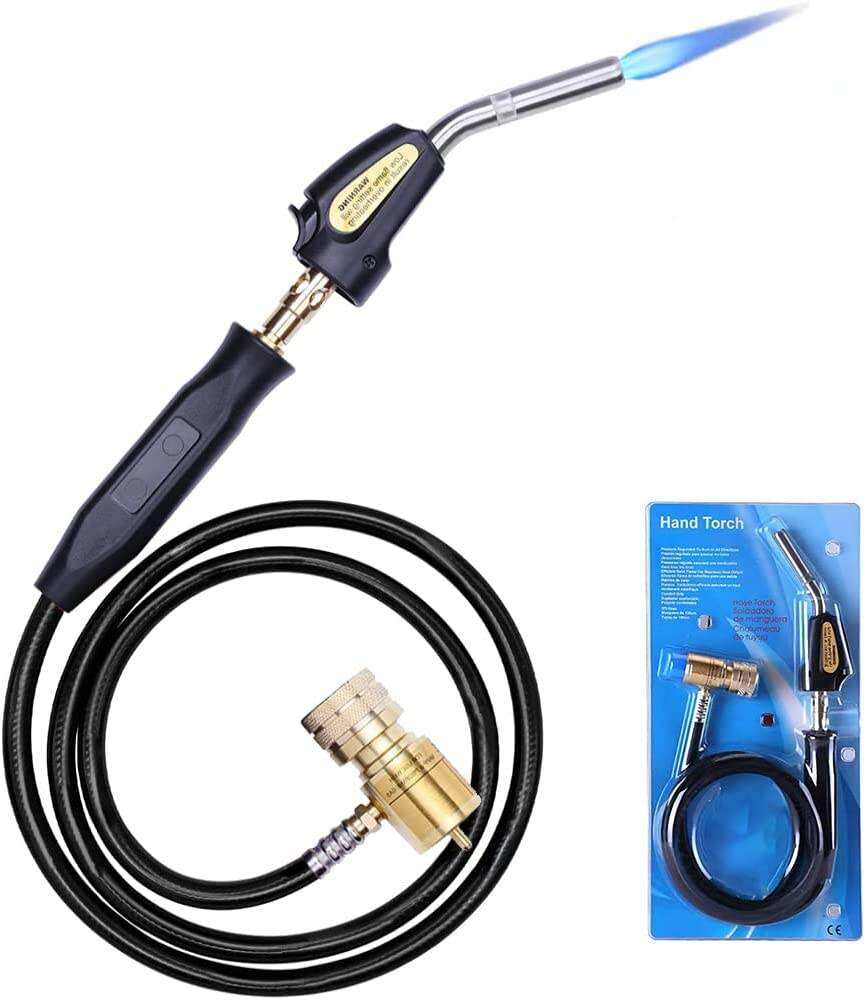
Modern gas welding torches feature piezoelectric ignition for reliable one-handed startup and precision needle valves that allow fine-tuned flame control down to 0.5 mm micro-tips. These capabilities enable seamless transitions between delicate tasks like soldering ¼’ evaporator coils and heavier-duty work such as welding 2’ steel supports—all without changing tools.
While acetylene poses a 23% higher carbon monoxide risk compared to alternatives (EPA 2021), 68% of professionals still prefer it for critical repairs due to faster joint completion times. MAP-Proâ adoption has grown 18% since 2020, supported by NFPA safety guidelines permitting its use in confined spaces when proper ventilation is maintained.
Most plumbers still reach for acetylene when working on copper refrigerant lines because it gives off this really hot flame around 5,700 degrees Fahrenheit, which helps create those nice clean joints quickly. But lately, we've seen quite a few HVAC techs switching to MAP-Pro instead for smaller jobs or when they're out in the field somewhere remote. The main reasons? It's easier to carry around and doesn't leave as much soot behind compared to traditional options. MAP-Pro does burn cooler at about 3,730 degrees, but the flame spreads out more so folks need to pick the right torch tips carefully otherwise they might end up melting through those thin copper pipes by accident.
Joining copper to steel through brazing can be tricky business because copper conducts heat about eight times faster than steel does. This difference usually causes problems like uneven heating spots and bad flow of the filler metal during the process. Skilled workers get around this issue by warming up the steel parts first, typically somewhere between 350 and 400 degrees Fahrenheit (that's roughly 177 to 204 Celsius). Meanwhile, they keep the copper temperature under control, making sure it doesn't go past 500 F (around 260 C). Special torches with separate flame adjustments help handle these different heating needs across materials, which makes all the difference when trying to create strong bonds without damaging either metal.
Fluxless vacuum brazing methods are increasingly adapted for copper-aluminum evaporator coil repairs. These oxygen-free processes reduce oxidation by 67% compared to traditional acetylene brazing (Ponemon 2023), preserving refrigerant purity. The technique uses nickel-based filler metals melting at 1,950°F (1,066°C), engineered to accommodate the differing thermal expansion rates of copper and aluminum.
The precision machined tips along with those specially designed gas mixing chambers really make a difference when working in cramped refrigeration spaces. The handles on these tools are ergonomically shaped and can rotate almost all the way around 240 degrees, which means technicians can reach into tight spots such as behind evaporator coils without losing control of the flame. According to some recent research published in the HVAC Tech Journal last year, internal swirl chambers cut down carbon buildup by about 37% compared to regular models. And let's not forget about those chrome plated nozzles either; they stand up much better against rust and corrosion in places where there's lots of moisture hanging around.
The tiny micro-flame tips, some as narrow as 0.8mm, allow for really precise heating when fixing those capillary tubes on evaporator coils. A recent study from ASHRAE back in 2022 found something interesting too. Techs who worked with torches that had adjustable gas controls saw a drop of around 52% in overheating problems on tubing 3/8 inch or smaller. The best units out there come equipped with these progressive trigger systems that keep the flame temperature pretty steady within about plus or minus 50 degrees Fahrenheit. This matters a lot when working with thin wall copper tubing that's only 0.020 inches thick because it helps avoid warping during the brazing process.
A 2023 trial evaluating 200 copper line joints found that nitrogen-purge capable torches with integrated inert gas ports reduced cuprous oxide formation by 89% versus standard setups. When combined with flux-free brazing alloys, these systems achieved 100% leak-free joints in 1/4" copper line replacements—a 31% improvement over conventional techniques (Refrigeration Systems Quarterly 2023).
Most field technicians depend on those handy little oxygen/MAP-Pro kits that barely tip the scales at around 15 pounds. These bad boys produce a seriously hot flame hitting about 3,530 degrees Fahrenheit, just right for getting the job done when brazing those 3/8 inch copper lines. The real plus is how small they are, so they fit snugly into the tool racks mounted inside service trucks without taking up much space at all. Some newer versions have even started incorporating alignment tools and static testing ports right onto the torch handle itself. This means no more fumbling around with extra calibration gear, something that field crews appreciate immensely. According to recent tests out in the real world, these integrated features cut down repair times by roughly 22%, making them pretty valuable additions for anyone spending their days fixing things on-site.
Gas welding setups need those ANSI standard dual stage regulators if they want to maintain steady pressure levels when temperatures fluctuate outside. Most professionals swear by flashback arrestors these days since studies from NFPA back them up showing around 85 percent fewer combustion accidents because they block that dangerous backward gas movement. For places where hydrogen might escape unnoticed, having detectors sensitive down to 5 parts per million makes all the difference for safety inside those tight refrigeration spaces. And let's not forget about daily pressure tests with that 30% soapy water mix sprayed on connections. Experience shows this method catches almost 91% more potential leaks than just looking at things visually, which saves lives and equipment alike.
 EN
EN


 Hot News