According to a recent 2023 study on industrial maintenance practices, companies that implement proactive maintenance see equipment failure rates drop anywhere between 60% and almost 90%. Systematic inspections catch around 82% of problems long before they actually cause operational disruptions. For commercial refrigeration units specifically, regular maintenance makes all the difference. Running capacitor tests every three months along with proper lubrication cycles can stop many common issues in their tracks. The HVAC Tech Journal reported last year that roughly 18% of compressor breakdowns are actually caused by worn out or failing electrical parts, something routine maintenance would typically catch well ahead of time.
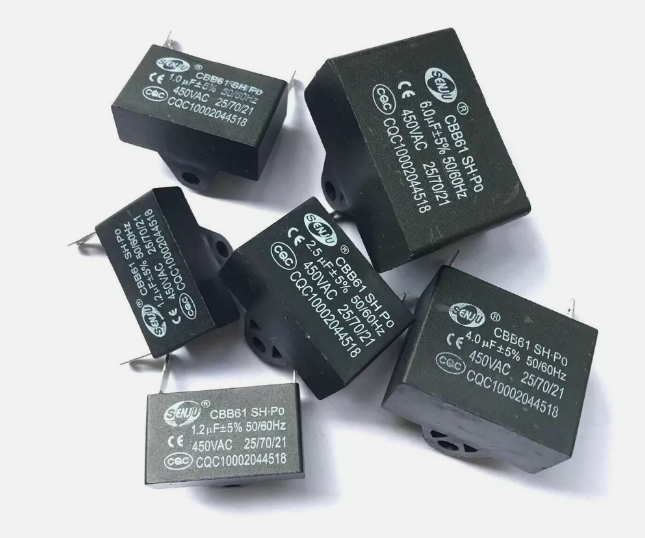
Refrigeration capacitors regulate motor startups and voltage stability—functions that degrade under temperature fluctuations. Field data shows capacitor failures cause 23% of emergency service calls in food storage facilities. Technicians use multimeter testing during biannual maintenance to detect early capacitance drops below manufacturer thresholds, preventing cascading system failures.
| Inspection Focus | Failure Risk Reduction | Common Warning Signs |
|---|---|---|
| Compressor vibration | 44% | Irregular humming >75dB |
| Evaporator coils | 38% | Frost patterns exceeding 30% surface area |
| Electrical contacts | 51% | Discoloration or swelling at connection points |
Thermal imaging during inspections detects 63% of wear-related issues 6—8 months before failure (2024 Commercial Refrigeration Report), enabling timely interventions that preserve system integrity.
A Midwest restaurant group implemented biweekly maintenance checks across 47 locations, focusing on capacitor health and condenser cleanliness. This proactive approach reduced refrigeration-related service calls by 60% within 12 months, saving an estimated $740,000 in downtime costs (Ponemon 2023). Their maintenance ROI reached 4:1 through prevented food spoilage and extended equipment lifespan.
Regular maintenance directly impacts energy consumption—worn components like refrigeration capacitors and dirty coils force compressors to work 15—20% harder (2024 HVAC Performance Report). Proactive lubrication and electrical inspections reduce unnecessary power draw while maintaining consistent cooling cycles, yielding compounding savings on annual energy bills.
Frost accumulation and debris on evaporator and condenser coils act as thermal insulation, requiring systems to run 40% longer to achieve set temperatures. This imbalance increases kWh consumption by 0.18—0.32 per hour in commercial units and places undue strain on compressors.
Non-abrasive nylon brushes and EPA-approved coil cleaners effectively remove buildup without damaging fins. Best practices include:
A 2024 facility management study tracked 47 supermarkets implementing quarterly coil cleaning, showing an average 27.3% drop in refrigeration-related energy use—from 3.1 kWh/ft² to 2.26 kWh/ft². At $0.14/kWh, this translates to $11,200 in annual savings per 10,000 ft² facility, often delivering a 4:1 return on maintenance investment.
Organizations practicing quarterly inspections extend refrigeration system lifespans by 40% compared to reactive approaches (2024 Industrial Hardware Report). This strategy prevents cumulative wear, reduces premature component failures, and protects capital investments in commercial cooling infrastructure.
Friction accounts for 28% of mechanical failures in refrigeration systems (ASHRAE 2023). Applying manufacturer-specified lubricants to bearings and hinges every 6—12 months prevents metal-on-metal degradation, preserving performance across compressors, fan motors, and associated components.
Misaligned pressure sensors force compressors to work 15—20% harder (EPA emissions data). Technicians who calibrate thermostat controls and defrost cycles quarterly reduce annual compressor wear by 35% through accurate load balancing.
Capacitor failures cause 23% of unplanned refrigeration outages (Commercial Cooling Systems Journal 2024). Preventive electrical testing identifies weakened capacitors before they compromise compressors, with timely replacements extending overall system durability by 4—7 years in typical installations.
Getting temperature control right matters a lot when it comes to stopping bacteria from growing in things that go bad quickly. According to data from the World Health Organization, around one third of all food poisoning cases happen because stuff wasn't stored properly. Cold storage units need to keep things under 40 degrees Fahrenheit (about 4 Celsius) for refrigerated items, while frozen products should stay at least minus 0.4 Fahrenheit (roughly minus 18 Celsius) to stop harmful germs from multiplying. These days many refrigeration systems come equipped with smart sensors that automatically tweak the cooling power whenever someone opens the door or when there are changes in room temperature conditions.
Even minor calibration drift (±2°F) can accelerate spoilage rates by 400% in dairy and meats. Best practices include bimonthly validation using NIST-traceable thermometers and replacing mercury-based thermostats with digital models offering ±0.5°F precision. Facilities using automated calibration protocols reduce FDA compliance violations by 73% (Food Safety Report 2023).
The USDA rules say leafy greens need to stay stored continuously between 33 and 36 degrees Fahrenheit. Even though a quick jump to 58 degrees might look okay on paper, it still counts against compliance. Keeping within this tight temperature range is tough for many facilities. About two thirds of them get warned once a year because their temps drift too far during routine maintenance work. The good news? Facilities using real time monitoring equipment that tracks those brief temperature spikes below 15 minutes long manage to dodge fines most of the time. Nearly nine out of ten businesses report better compliance results after installing these systems.
Advanced platforms integrate refrigeration capacitor health with temperature tracking, sending alerts when voltage fluctuations exceed 10% of baseline—a key predictor of cooling failure. Facilities using predictive maintenance models experience 82% fewer emergency service calls related to temperature control lapses.
Start every month with a quick check on those door gaskets. Try the old dollar bill trick - slide it between the door and frame. If it moves around too freely, time to get a new seal installed. Don't forget to look at those refrigerant lines for signs of corrosion either. And while we're at it, make sure all the electrical connections going into the refrigeration capacitor are snug and secure. Let's face it, when seals start wearing down, they really eat into our energy bills. Some studies suggest anywhere from 10 to 20 percent extra power usage just from bad seals alone (Energy Star reported this back in 2023). These simple monthly checks aren't just good practice, they actually save money in the long run while keeping things running smoothly.
Every 90 days, clean condenser coils with manufacturer-approved brushes and vacuum debris contributing to over 30% efficiency loss (ASHRAE 2024). Test evaporator fans and compressor amp draws against baseline readings; a 15% deviation signals impending failure. Use acid-free cleaners to prevent aluminum fin corrosion during coil maintenance.
Schedule comprehensive inspections before peak cooling seasons. Certified technicians calibrate thermostats to ±1°F accuracy, replace capacitor start kits, and pressure-test systems. Facilities using time-based maintenance schedules reduce compressor replacements by 42% versus reactive approaches (MaintainNow’s 2024 study).
Staff can safely handle filter changes and exterior cleaning, but refrigerant handling and electrical diagnostics should be left to EPA-certified specialists. A misplaced capacitor discharge carries risks of 20 kV shock (OSHA 2023). Balance cost savings with liability—third-party servicers typically carry $2M+ insurance covering accidental refrigerant leaks.
Putting in place digital work orders that include photo checks really helps keep everyone accountable. When training staff, nothing beats showing them what happens when things go wrong in real life situations. Take those seized compressors caused by dirty coils nobody bothered to clean. According to Jones Lang LaSalle research from last year, facilities running proper maintenance schedules see about 73% better compliance with preventive tasks. What this means practically is that good maintenance isn't just another expense item anymore. It actually becomes something that protects profits because it stops equipment breakdowns that would otherwise eat into revenue.
 EN
EN


 Hot News