Purchasing commercial refrigeration parts wholesale streamlines maintenance workflows and reduces per-unit costs by up to 30% on bulk orders. Reliable access to OEM-compatible components like fan motors and compressors allows technicians to address wear-and-tear issues proactively, minimizing system downtime and avoiding costly emergency repairs.
Condenser coils dissipate heat from refrigeration systems, but dust buildup can reduce heat transfer efficiency by 25–40% annually. Regular cleaning and the use of corrosion-resistant copper coils improve energy performance and prevent compressor overloading—one of the leading causes of premature system failure.
Blocked condensate drains force refrigeration units to work 15–20% harder to maintain target temperatures, accelerating component wear. Proactive drain pan inspections and enzymatic treatments prevent ice accumulation and humidity spikes that compromise food storage conditions and increase energy consumption.
Commercial-grade thermostats, evaporator fans, and pressure regulators maintain temperature variances below ±1°F (±0.5°C)—essential for compliance with FDA food safety guidelines. Investing in UL-certified parts with lifespans two to three times longer than generic alternatives reduces unexpected outages by 68% (ASHRAE 2023), protecting inventory and optimizing energy use.
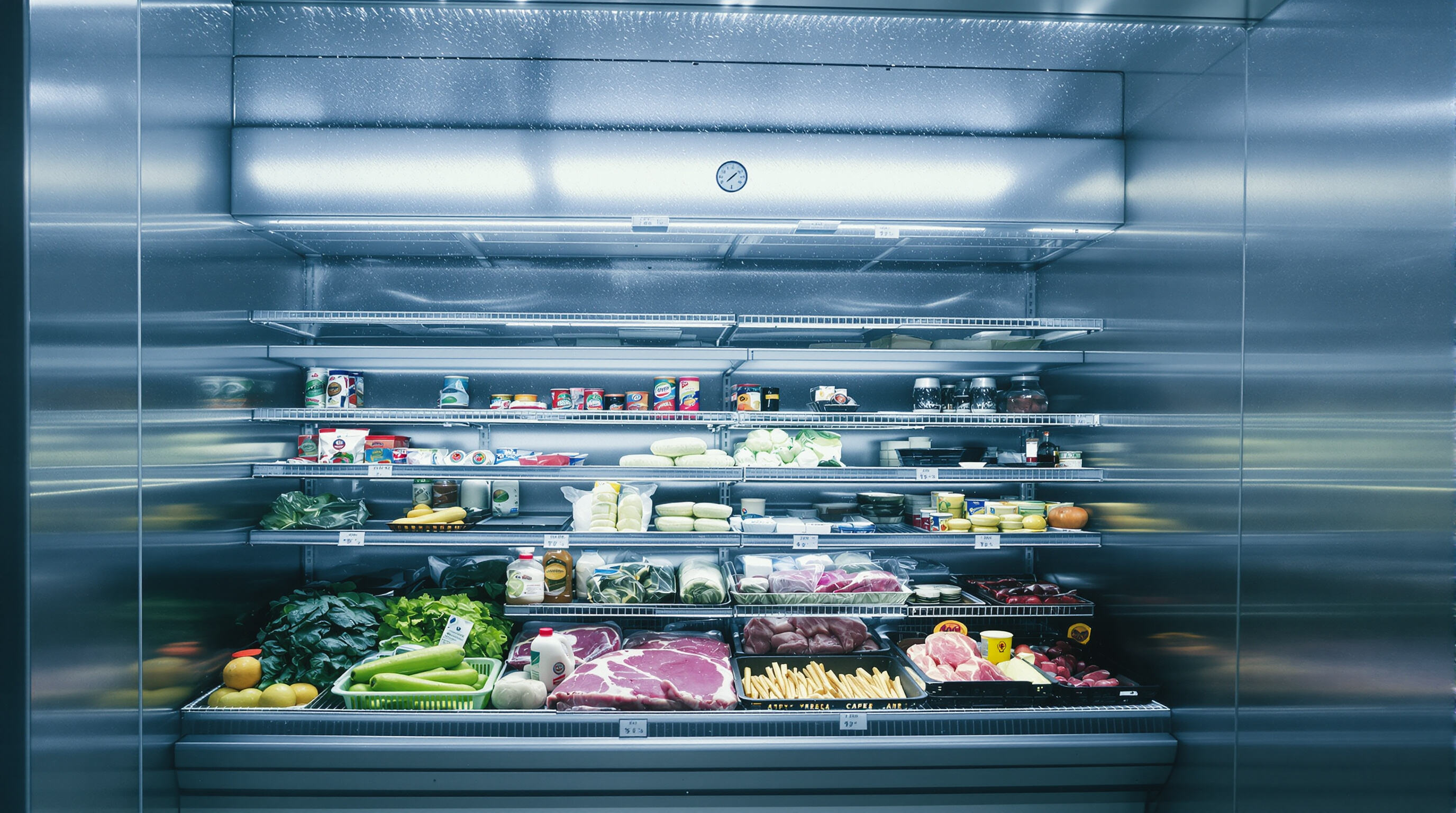
Consistent refrigeration reduces microbial growth by up to 90% when temperatures remain within a 2°F range of ideal settings. For example, meat stored at 34–38°F retains freshness for 30% longer compared to units with fluctuating temperatures, directly enhancing shelf life and reducing spoilage risk.
Modern monitoring systems detect temperature deviations 60% faster than manual checks, enabling immediate corrective action. Sensors paired with automated alerts reduce the risk of compromised inventory by 78% (SafetyCulture 2023). One dairy supplier using this technology reduced spoilage-related losses by $58,000 annually through early intervention.
Humidity fluctuations can degrade produce quality 40% faster. Implementing humidity-controlled zones extends the shelf life of leafy greens by 5–7 days. Combined with stable temperatures, this approach helps prevent up to $36 billion in annual food waste linked to inadequate cold storage (Market Data Forecast 2023).
Scheduled maintenance programs reduce refrigeration system failures by 63% compared to reactive repairs (Industry Research 2023). Routine inspections of compressors, evaporators, and refrigerant lines enable early detection of worn components, preventing catastrophic breakdowns and aligning with FDA Food Code requirements for food service operations.
Compromised door seals account for 23% of energy waste in commercial refrigerators. Quarterly gasket inspections and timely replacement of cracked or frayed seals maintain airtight enclosures, prevent compressor overwork, and extend equipment lifespan by 18–24 months.
Proactive maintenance increases average refrigeration system lifespan from 7 to 12 years according to ASHRAE performance data. Key practices include:
These routine steps ensure consistent performance and delay major capital expenditures.
Businesses using refrigeration parts wholesale programs for preventive upkeep spend $0.18 per operational hour versus $2.35/hour during emergency repairs (Facility Management Journal 2023). This 13:1 cost ratio underscores why 84% of food retailers now prioritize scheduled maintenance over crisis response models.

IoT-enabled temperature sensors identify anomalies 36% faster than manual checks (Food Safety Magazine 2023). These systems provide continuous updates on compressor health and airflow patterns, allowing technicians to address issues like refrigerant leaks or frost buildup before they lead to system failure.
Digital sensors embedded in condensers and expansion valves track vibration intensity and coolant pressure. This data feeds into predictive algorithms that schedule maintenance during low-demand periods, minimizing operational disruptions. Leading grocery distributors using this method report 22% fewer emergency repairs annually.
One regional grocery store group saw amazing results after putting in place smart warning systems. Their refrigeration equipment downtime dropped nearly half over just eight months. The new tech caught weird temperature swings in those four freezers near the checkouts, so technicians cleaned coils and swapped out old fan motors before problems happened. Nobody wants to lose money on spoiled food, right? Well these folks saved around quarter of a million dollars worth of product from going bad thanks to early warnings. Industry reports have shown similar savings across stores using internet connected maintenance tools.
Refrigeration parts wholesale programs support these advanced technologies by ensuring immediate access to certified sensors and control boards, eliminating delays during repairs or system upgrades.
Buying parts in bulk from wholesale suppliers typically cuts down on what people pay per item somewhere around 12 to maybe even 18 percent when compared to buying them at regular stores, based on some recent studies from last year's supply chain reports. When companies order large quantities upfront, they tend to have those important pieces like evaporator fans or compressor valves readily available whenever needed. This helps avoid situations where parts run out completely and cause delays in fixing equipment problems. Plus, managing inventory becomes much easier this way. Technicians don't spend so much time tracking down missing items, and there's extra money left over to invest in things like regular maintenance checks before breakdowns happen.
Facilities maintaining an on-site inventory of high-failure-rate components resolve refrigeration failures in under four hours—critical for preventing food spoilage. Those partnered with wholesalers report 34% faster mean-time-to-repair (MTTR) than businesses relying on single suppliers, significantly reducing revenue loss in perishable goods sectors.
When companies sign multi year deals with refrigeration parts wholesalers, they basically get stable pricing even when markets go crazy up and down. This helps cut maintenance expenses by around 22% each year for the first five years of operation. Plus these long term relationships boost supply chain reliability because most wholesalers have warehouses spread out across different regions. Looking at some recent data from a cold chain industry report back in 2022, it turns out that nearly 8 out of 10 businesses working with wholesale suppliers could keep running their operations when there were problems with shipping and logistics. Meanwhile only about 4 out of 10 companies sticking to regular old purchasing methods managed to stay operational during those same disruptions.
 EN
EN


 Hot News