As countries move away from hydrofluorocarbons (HFCs) following the Montreal Protocol rules, R600a is becoming a real game changer in refrigerant tech. Take a look at the numbers: R600a has a global warming potential of only 3, while old school refrigerant R-404A clocks in at a staggering 3,922. That means using isobutane cuts down on climate damage by nearly 100%. Big name manufacturers are already shifting their focus toward compressors compatible with R600a because they need to keep up with stricter regulations such as the EU's F-Gas Directive. This directive wants a massive 79% drop in HFC usage by 2030. A recent study looking at refrigeration regulations in 2024 shows that around two thirds of all new commercial refrigeration installations these days call for natural refrigerants simply to stay compliant with green requirements.
R600a compressors powered by inverters can adjust their cooling output in tiny 1% steps, keeping temperatures stable within half a degree Celsius. These systems consume about 40 percent less power compared to traditional fixed-speed models when running at partial loads. What makes this so efficient? Well, regular systems constantly turn on and off, wasting somewhere between 15 to 20% of their energy just from those repeated cycles. In contrast, inverter tech keeps the compressor running smoothly at whatever speed matches the actual cooling needs at any given moment. And since R600a has better thermodynamic characteristics than older refrigerants like R134a, it actually absorbs heat about 20% faster too. This combination of features really helps push overall system efficiency to new levels.
R600a has some real environmental benefits because it doesn't harm the ozone layer and isn't toxic. But there's a catch - it can catch fire, so anyone working with it needs to follow ISO 5149 safety rules strictly. These days, equipment comes with several built-in protections against accidents. For homes, most systems limit the amount of refrigerant to no more than 150 grams. They also include sensors that detect leaks automatically and motors designed to prevent explosions. If someone wants to work with R600a professionally, they need special certification under IEC 60335-2-89 standards. Training programs worldwide have grown quite a bit recently too, increasing by about 40 percent since 2022 as companies struggle to find enough qualified technicians for this kind of work.
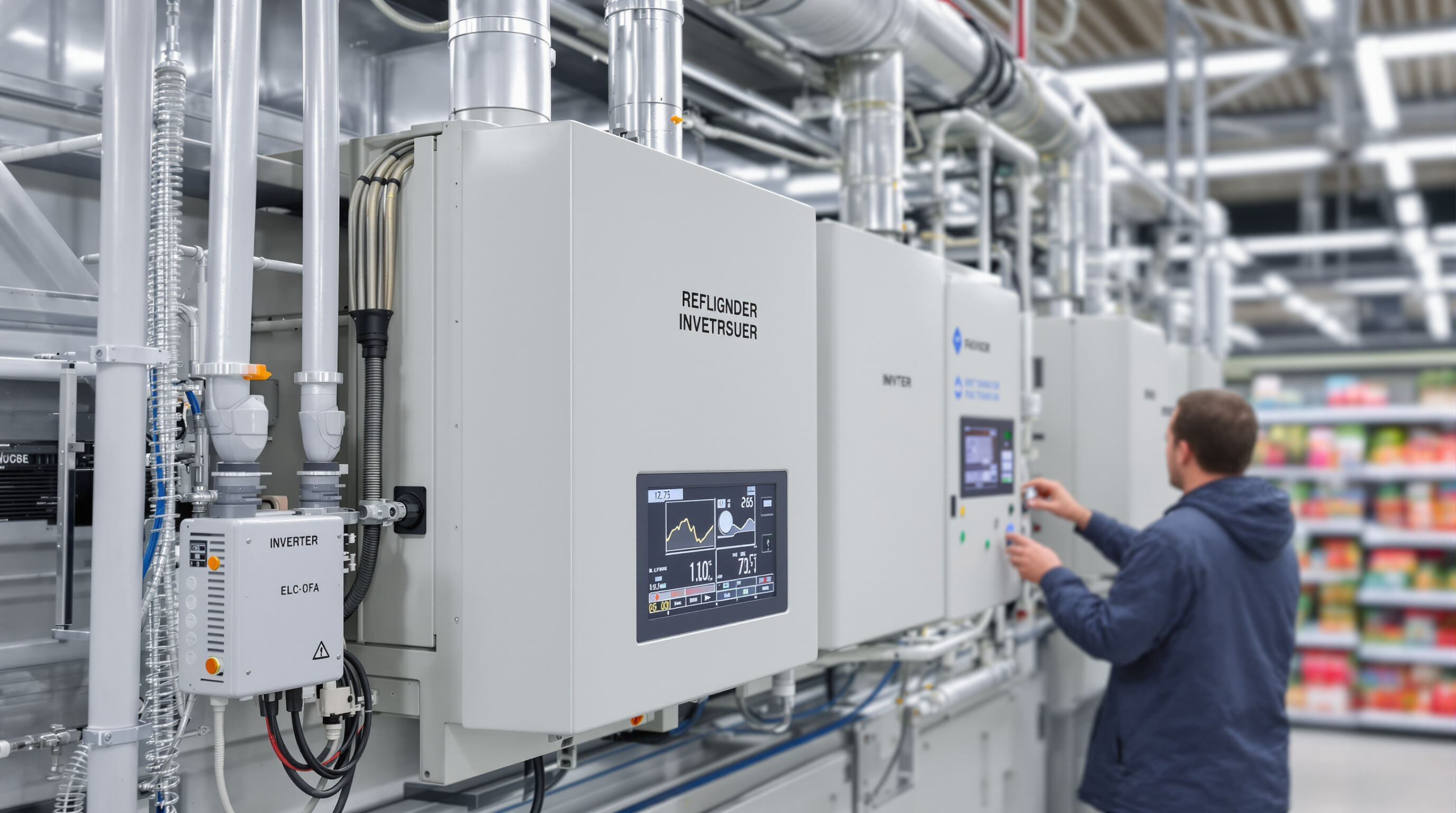
Old school fixed speed compressors tend to burn through about 35 to maybe 40 percent of their energy when demand drops off because they keep running at full power all the time and constantly turning on and off. The newer R600a inverter models fix this problem by changing the motor speed from around 30% up to full 100% as needed. What's really impressive is how these units can hold temperatures within half a degree Celsius accuracy even when cooling demands swing wildly - sometimes going up over three times what they were just hours before. According to some research published last year in an HVAC journal, this kind of variable speed tech actually cuts down component wear by roughly two thirds compared to those old fashioned start stop cycles we used to see everywhere.
Field tests at supermarkets have shown that when commercial refrigeration systems get upgraded with R600a inverter compressors, they can cut energy use by anywhere from 27 to 33 percent according to research done by Qureshi and colleagues. What makes this possible? Well, there are three main reasons behind these impressive numbers. First off, these systems draw way less power when starting up compared to traditional fixed speed models, around 60% less actually. Second, they eliminate those pesky losses from throttle valves because they modulate pressure so precisely. And third, the stable flow rates of refrigerant lead to much better heat transfer overall. Plus, since R600a is a natural refrigerant with an extremely low global warming potential of less than 3, it's clearly better for the environment than those HFC based alternatives currently in use.
Digital scroll compressors combined with IoT tech are changing what we expect from refrigeration systems today. These advanced systems cut down on mechanical losses thanks to their algorithm based controls, achieving temperature stability within just 1 degree Celsius. That represents about a third better performance compared to older models. When paired with smart monitoring capabilities, these systems become even more powerful. Sensors built into the equipment keep tabs on over fifteen different factors including refrigerant pressure levels and motor vibrations, sending updates to central dashboards roughly every two and a half seconds. Major supermarket chains have already seen results from adopting this technology. One national chain reports around 35 percent reduction in compressor failures because their predictive maintenance system can detect problems such as worn bearings well ahead of time, sometimes catching issues three full days before they would actually cause breakdowns.
Around 2025, most commercial refrigeration units will likely start using IoT based diagnostics because they save money on energy costs through those real time adjustments. Take smart R600a inverter compressors for instance. They slow down when business isn't so busy, which cuts electricity consumption somewhere around 18 percent without messing up the cooling performance. Another big plus is how these systems help stores stay compliant with safety rules for hydrocarbon refrigerants. The built in IoT sensors can spot even tiny leaks at about 50 parts per million sensitivity level, something that would take inspectors ten times longer to find manually. This kind of technology just makes sense for businesses looking to cut costs and meet regulations simultaneously.
Regulations across the globe including the EU's F-Gas rules and Department of Energy efficiency requirements are pushing companies toward R600a inverter compressors faster than ever before. Starting back in 2022, American standards for commercial refrigeration equipment demand at least a 15 percent cut in power consumption. Meeting those numbers? Well, it just happens to work out best with systems that use inverters paired with hydrocarbons. Most manufacturers have shifted focus lately, aiming for Seasonal Energy Efficiency Ratio scores over 15 when installing new units. These days, R600a compressors regularly hit that mark thanks to their ability to adjust cooling output based on actual needs rather than running full blast all the time.
The growing adoption of emission monitoring platforms enables businesses to quantify CO₂ reductions, further validating R600a’s role in meeting Paris Agreement targets. Over 60% of grocery chains report compliance cost savings after switching to inverter-based hydrocarbon systems, per 2023 supply chain sustainability reports.
AI technology is changing how R600a inverter compressors work, mainly because of these smart cooling algorithms they've developed. The machine learning stuff looks at past temperature records and who's actually using the space to figure out what kind of cooling will be needed next. Then it adjusts the compressor speed on the fly. Some tests show these systems can cut down energy consumption anywhere from 12 to maybe even 18 percent when nobody's around, all without affecting how well everything runs. This fits right into what's happening across the industry with IoT devices getting better at predicting problems before they happen. Companies are finding their equipment breaks down less often now that faults get detected automatically instead of waiting for someone to notice something's wrong.
Even though we know these systems work better, around 42 percent of people who run refrigeration equipment point out three main problems stopping them from upgrading. First comes the money needed to retrofit old systems. Then there's this whole mess with different IoT protocols between manufacturers making everything incompatible. And finally, getting those safety certifications for hydrocarbon refrigerants adds another layer of complexity. The good news is that public and private groups working together in Europe are tackling these issues head on. They're offering tax breaks and creating common safety standards that everyone can follow. Take the European Commission's Cooling-as-a-Service program for example. This initiative actually cut down how long it takes to recoup investments in R600a compressors. What used to take seven whole years now only takes about four and a half thanks to their shared infrastructure approach.
A European grocery chain implemented variable-speed-drive (VSD) compressors using R600a refrigerant across 82 locations. Key outcomes:
| Metric | Before VSD | After VSD | Reduction |
|---|---|---|---|
| Annual kWh Usage | 3.2M | 1.92M | 40% |
| Refrigerant Leak Rate | 9.1% | 2.3% | 75% |
| Maintenance Costs | $190k | $104k | 45% |
The hybrid system combines digital scroll compressors with AI-driven defrost cycles, demonstrating how scalable deployments can meet both economic and environmental goals.
R600a, also known as Isobutane, is a hydrocarbon refrigerant with a significantly lower global warming potential. It is preferred due to its environmental benefits, including minimal impact on climate change compared to HFCs.
Inverter compressors adjust their cooling output based on demand, thus reducing unnecessary energy consumption. This leads to significant energy savings and improved efficiency.
R600a can be flammable, so strict adherence to safety regulations such as ISO 5149 is necessary. Equipment must include safeguards like leak detection sensors and explosion-prevention motors.
IoT technology provides real-time monitoring and diagnostics, enabling predictive maintenance and improved efficiency. It helps businesses to comply with safety standards and reduce operational costs.
The main barriers include the cost of retrofitting systems, compatibility issues with IoT protocols, and challenges in getting safety certifications for hydrocarbon refrigerants.
 EN
EN


 Hot News