AC cleaning covers serve as breathable shields for outdoor units when they're not in use during certain seasons. Regular old tarps just don't cut it because these special covers actually stop dust, pollen, and insects from getting inside while still letting excess moisture escape through their breathable material. The real advantage comes from this two-pronged approach that keeps important parts such as condenser coils and electrical wiring safe from dirt accumulation and damage caused by damp conditions over time. Most homeowners find this makes a big difference in extending the life of their systems without having to deal with constant maintenance headaches.
Most standard weatherproof wraps end up trapping condensation right against HVAC units, which creates breeding grounds for mold and leads to faster metal breakdown over time. The newer AC cleaning covers are different though. They're made from materials like UV resistant polyester or vinyl and have those clever little air vents placed just right. These covers actually fit the shape of each unit so they don't leave those annoying moisture pockets hanging around. Plus they keep out critters while still letting proper airflow happen. And here's something interesting from recent studies the HVAC Maintenance Institute found last year. Their research shows that when systems are kept in completely sealed enclosures instead of getting proper breathability, corrosion problems go up by about 34%. That makes a big difference in maintenance costs down the road.
AC covers designed for winter weather keep ice from building up on fan blades while protecting those copper refrigerant lines from the constant freeze and thaw cycle. When these covers are made with breathable material that only covers the top part, they stop snow from getting inside but still let air circulate so humidity doesn't get trapped either. This is actually pretty important because according to Energy Efficiency Reports from last year, around 7 out of 10 winter HVAC problems come down to moisture issues. Another benefit worth mentioning is how good quality covers can keep rodents away from the electrical parts where they like to nest. Homeowners who install proper covers often find their maintenance bills drop significantly during off seasons, sometimes saving as much as four hundred dollars each year when compared to those without protection.
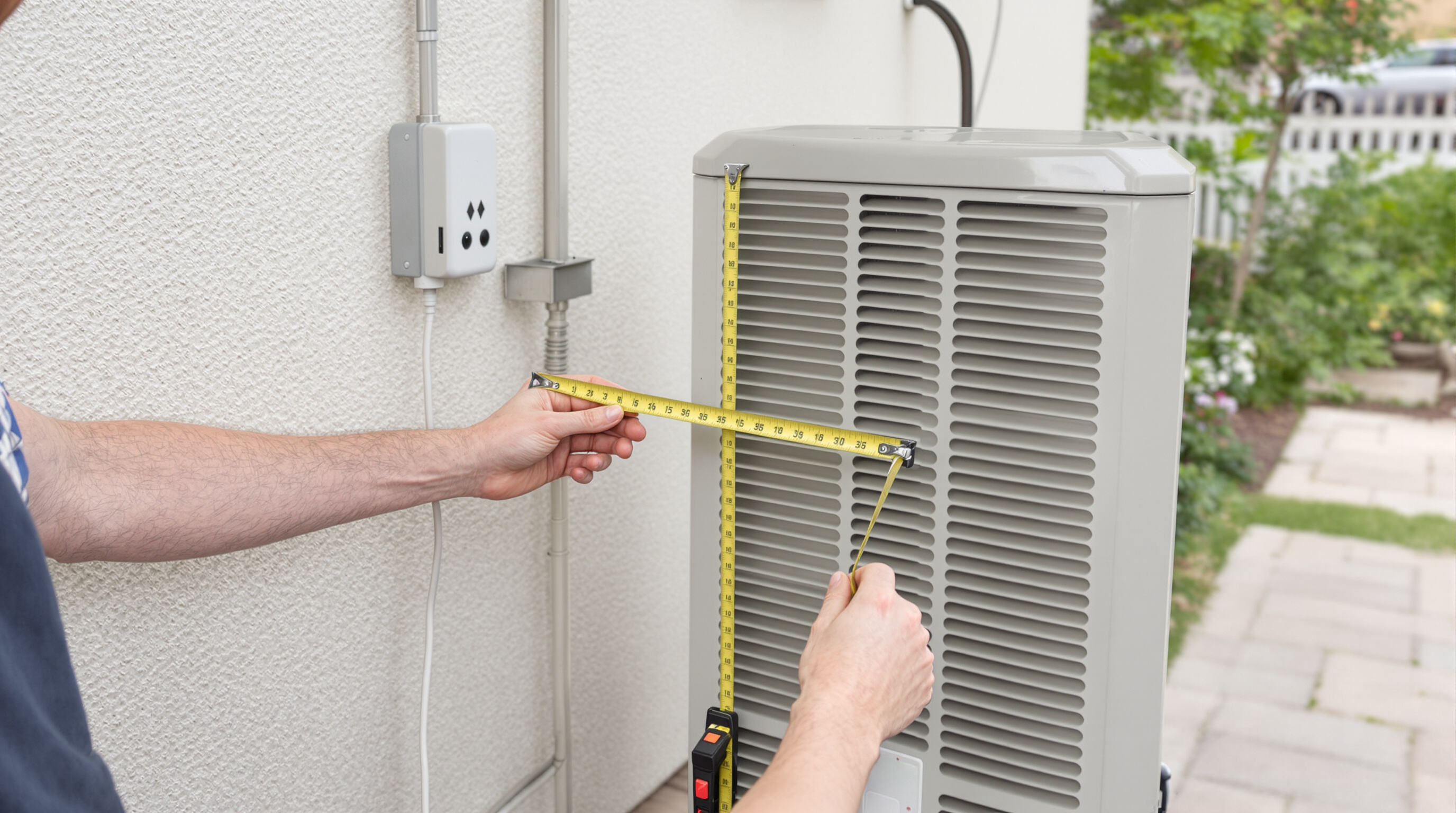
An ill-fitting AC cleaning cover creates more problems than it solves. Units with covers 15% larger than required experience 23% more wind-driven debris infiltration (HVAC Protection Journal 2023), while undersized covers compress insulation and strain seams. Proper dimensions ensure complete particulate barrier coverage without restricting essential ventilation gaps around condenser coils.
Follow this 4-step process:
Three frequent errors undermine protection:
A 2-year study of 142 covered units revealed:
| Fit Quality | Mold Incidence | Component Corrosion Rate |
|---|---|---|
| Correct fit | 4% | 0.8 mm/year |
| Poor fit | 31% | 3.1 mm/year |
Units with loose covers retained 40% more humidity, accelerating biological growth and metal degradation (ASHRAE Winterization Report 2022).
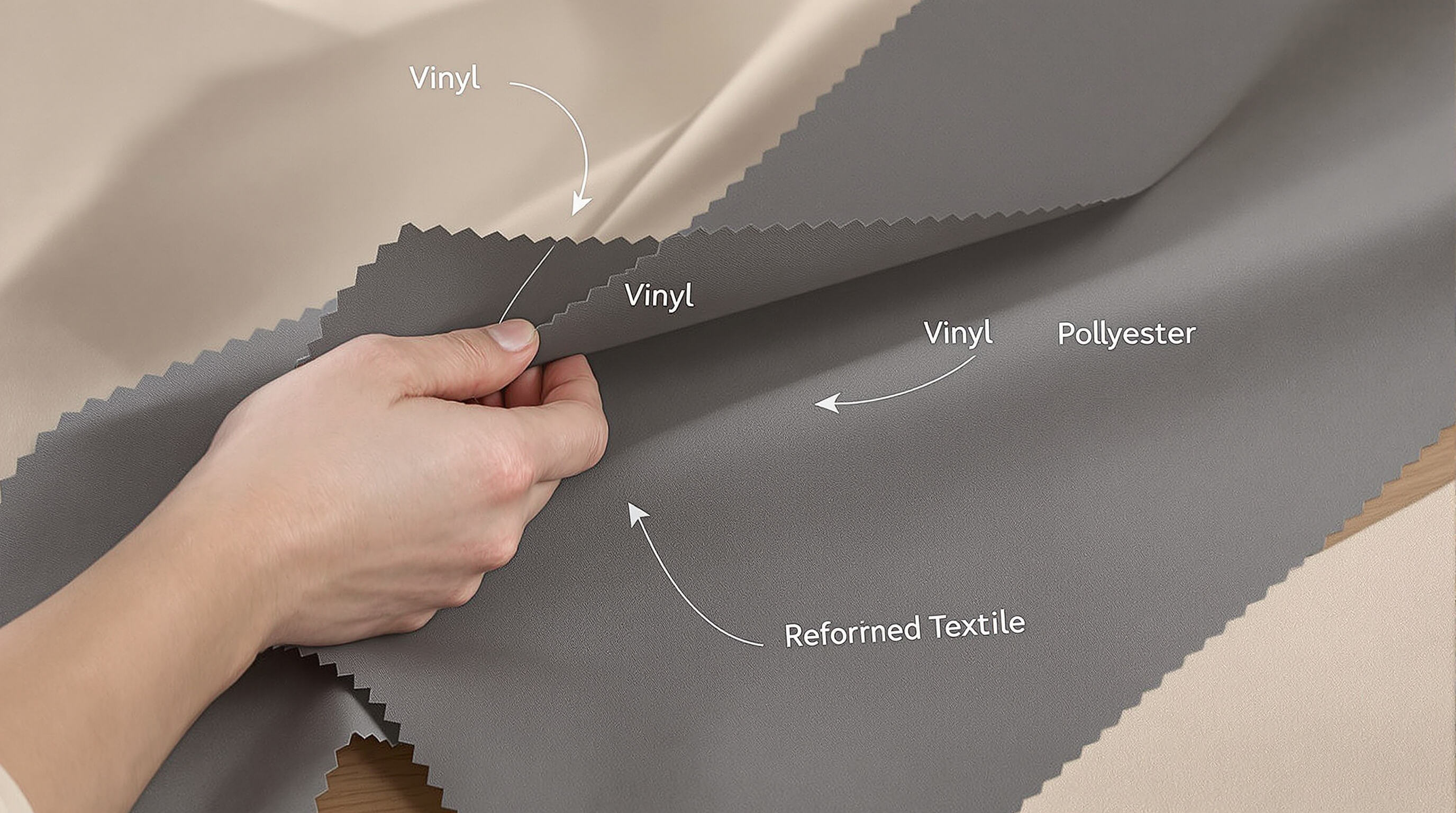
Vinyl offers 85% UV-blocking capabilities (Material Durability Report 2024), making it ideal for sunny climates. Polyester’s woven construction resists tearing at 50 lb/in² tensile strength, while reinforced fabrics combine waterproof membranes with breathable layers. These materials prevent 90% of weather-related AC coil corrosion compared to uncovered units.
Covers lose 40% effectiveness when UV degradation weakens fibers. Look for 500-hour accelerated weathering test certifications. Tear strength is crucial in windy areas—reinforced stitching and 600D+ fabric densities withstand gusts over 55 mph. A 2024 Material Durability Report shows proper material selection reduces replacement costs by 63% over five years.
Coastal regions require mesh panels (35—50% airflow) to prevent saltwater condensation, while arid zones benefit from windproof seals. In transitional climates, hybrid designs with adjustable vents maintain optimal 45—55% internal humidity levels—critical for preventing mold without compromising dust protection.
Air conditioning cleaning covers serve as protection from stuff floating around in the air. The better quality ones are made from thick 600D polyester fabric that stops about 94% of particles bigger than 10 microns. These are basically things like pollen and dust from building sites. The covers come with weighted edges and adjustable bands so there's no space left for dirt to get stuck in. According to a recent HVAC maintenance report from 2023, AC units with proper covers needed almost half (around 42%) fewer cleanings on their coils compared to those without covers, especially when pollen counts go through the roof in springtime.
Getting the right balance between keeping pests out and letting air circulate takes some smart planning. The best quality covers usually have zippers combined with mesh panels around 0.6mm in size. These stop ants and wasps from getting inside but still let moisture escape properly. Some studies looking at how homes protect against seasonal invaders show that when people seal the base plate using those built-in Velcro strips, it stops creepy crawlies from making nests near electrical parts. For proper airflow, rigid side vents are essential too. They keep around 15 to 20 cubic feet per minute moving through the space which stops condensation problems from developing. Most customers seem to agree since about two thirds of top rated products mention this as a key selling point according to online reviews.
Property managers report a 57% decrease in offseason HVAC repairs when implementing structured covering programs (HVAC Association 2024). Key benefits include:
These results stem from preventing the three main offseason threats: moisture ingress in control boards, debris accumulation in fan assemblies, and pest nests in ductwork.
Putting on those AC cleaning covers becomes necessary once temps start regularly falling below 45 degrees Fahrenheit (about 7 Celsius) to stop frost from forming and keep dirt from building up over the winter months. Take these covers off again come springtime when it gets reliably warm enough outside, say around 60 degrees F (16 C), so air can flow freely through the unit before summer heat arrives. According to research published in 2023 regarding HVAC system performance, air conditioners that were properly covered during cold weather needed about 37 percent fewer fixes compared to ones left exposed all winter long. That makes sense since protecting equipment from harsh elements just common sense really.
Persistent humidity above 60% or daytime temperatures exceeding 70°F (21°C) signals immediate cover removal. These conditions create ideal environments for mold growth—units left covered in warm, damp weather showed a 28% increase in microbial contamination (ASHRAE 2022).
Contrary to popular belief, AC cleaning covers shouldn’t be used during active cooling months. Research disproves three persistent myths:
| Maintenance Task | Frequency | Key Consideration |
|---|---|---|
| Surface Cleaning | After removal | Use mild detergent, avoid abrasives |
| Seam Inspection | Annual | Check for UV degradation at stress points |
| Storage | Off-season | Fold loosely in breathable container |
Properly maintained covers last 3—5 seasons versus 1—2 seasons for neglected ones. Store in dry, rodent-free locations between uses to preserve material integrity.
 EN
EN


 Hot News