Companies that make AC coverings create protective gear specifically for those outdoor HVAC units everyone has sitting on their property. The main purpose of these covers is pretty straightforward they keep leaves, dirt, rainwater, and harmful sun rays away from the equipment. But there's another important thing these covers do too they let air circulate so the unit doesn't get too damp inside. Most quality manufacturers work with stuff like reinforced polyester blends or heavy duty vinyl that can take whatever Mother Nature throws at them. These materials need to hold up against everything from snowstorms to scorching summer heat. And guess what? They're built to fit all sorts of different systems including standard split units, those fancy heat pump installations, and even the big commercial rooftop models that businesses rely on day in and day out.
HVAC manufacturers who specialize in protective covers tend to beat out the generalists because they really understand what materials work best for different conditions. Take coastal areas where there's lots of moisture in the air - these companies make covers with special coatings that stop mold from growing. Up north where it snows a lot? Their designs have stronger seams that can take the weight of all that ice without tearing. According to industry data from last year, around two thirds of early cover failures happen because people buy those one size fits all options that don't actually work well in specific weather conditions. The bottom line is, when it comes to protecting HVAC systems, going with specialists who know their local climate matters makes a huge difference.
Manufacturers who know what they're doing often use methods such as ultrasonic welding to keep seams strong and apply UV inhibitors that help fabrics last longer. The result? Covers made this way typically last around 5 to 7 years, whereas cheaper mass produced options tend to wear out after just 2 or 3 years. Testing is pretty thorough too, with things like wind tunnel tests and checks for how well materials resist rubbing against surfaces. All these steps make sure the covers stay reliable even when temperatures swing from below freezing at -30 degrees Fahrenheit all the way up to scorching heat of 120 degrees Fahrenheit.
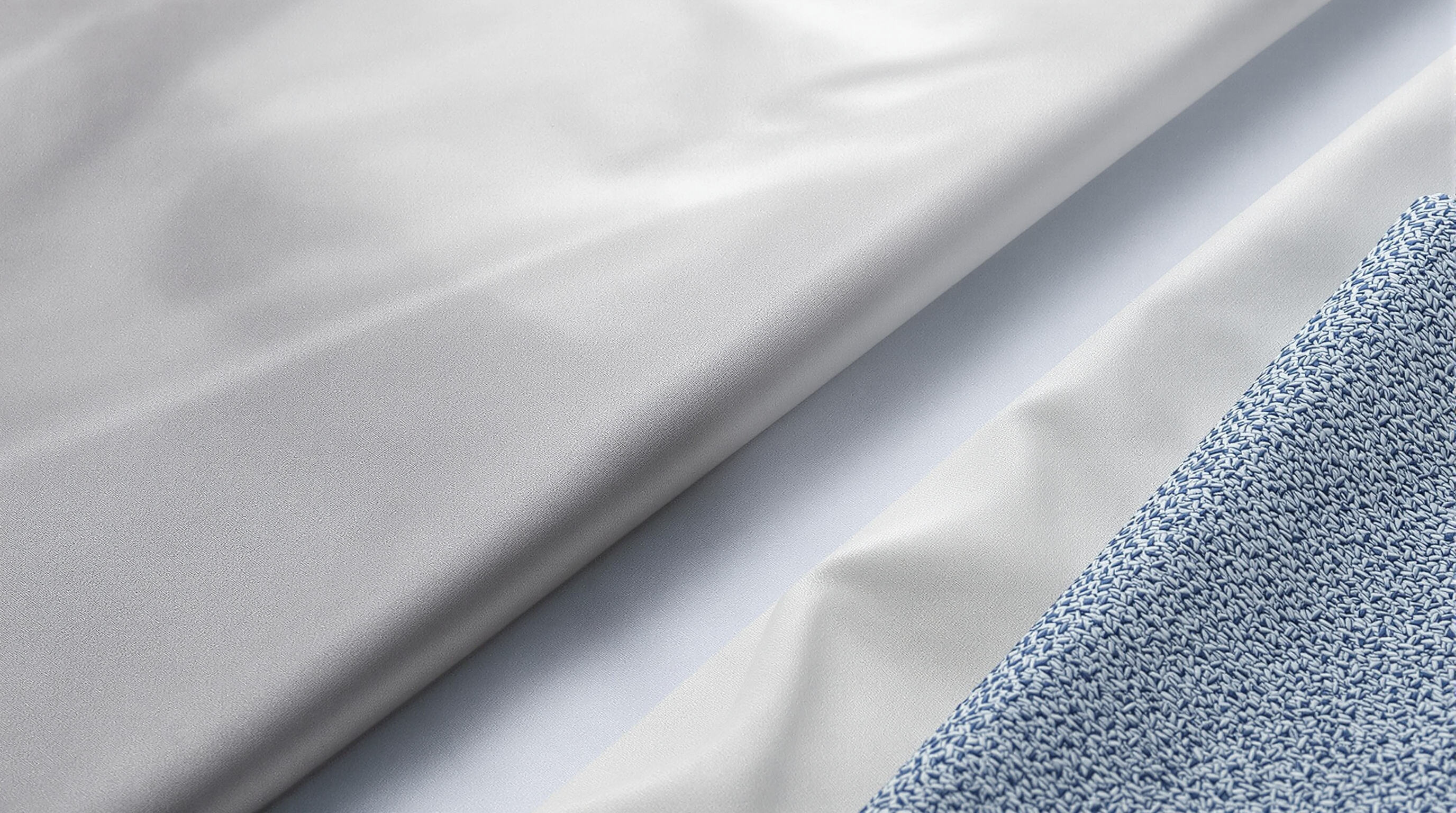
The best air conditioning cleaning covers depend heavily on advances in materials science to strike that tricky balance between lasting long and standing up to bad weather. Most top manufacturers go with UV stabilized vinyl these days since it holds up against sun exposure for around five to seven years straight. They also incorporate laminated polyester fabrics that can handle pretty strong winds too, somewhere around 60 miles per hour before showing signs of wear. According to research published in the Cleanroom Material Standards journal last year, when coatings get thicker than 20 micrometers they block almost nine out of ten cases of moisture getting through, which is why many companies specify this feature especially when installing systems near coastlines where humidity is always an issue. We're starting to see some interesting developments too with special antimicrobial treatments being applied specifically to covers used in hospital HVAC systems where cleanliness standards are absolutely non-negotiable.
Effective designs incorporate three-layer protection:
This layered approach reduces condenser coil corrosion by 73% compared to single-layer covers (ASHRAE 2022 data).
Standard covers fit 85% of residential units (1.5–5 ton systems), while commercial projects often require custom sizing. Oversized covers for rooftop units (>10 tons) need reinforced grommets and industrial-grade stitching. Leading AC cleaning cover manufacturers report 40% longer warranty periods for custom-fit solutions compared to universal designs.
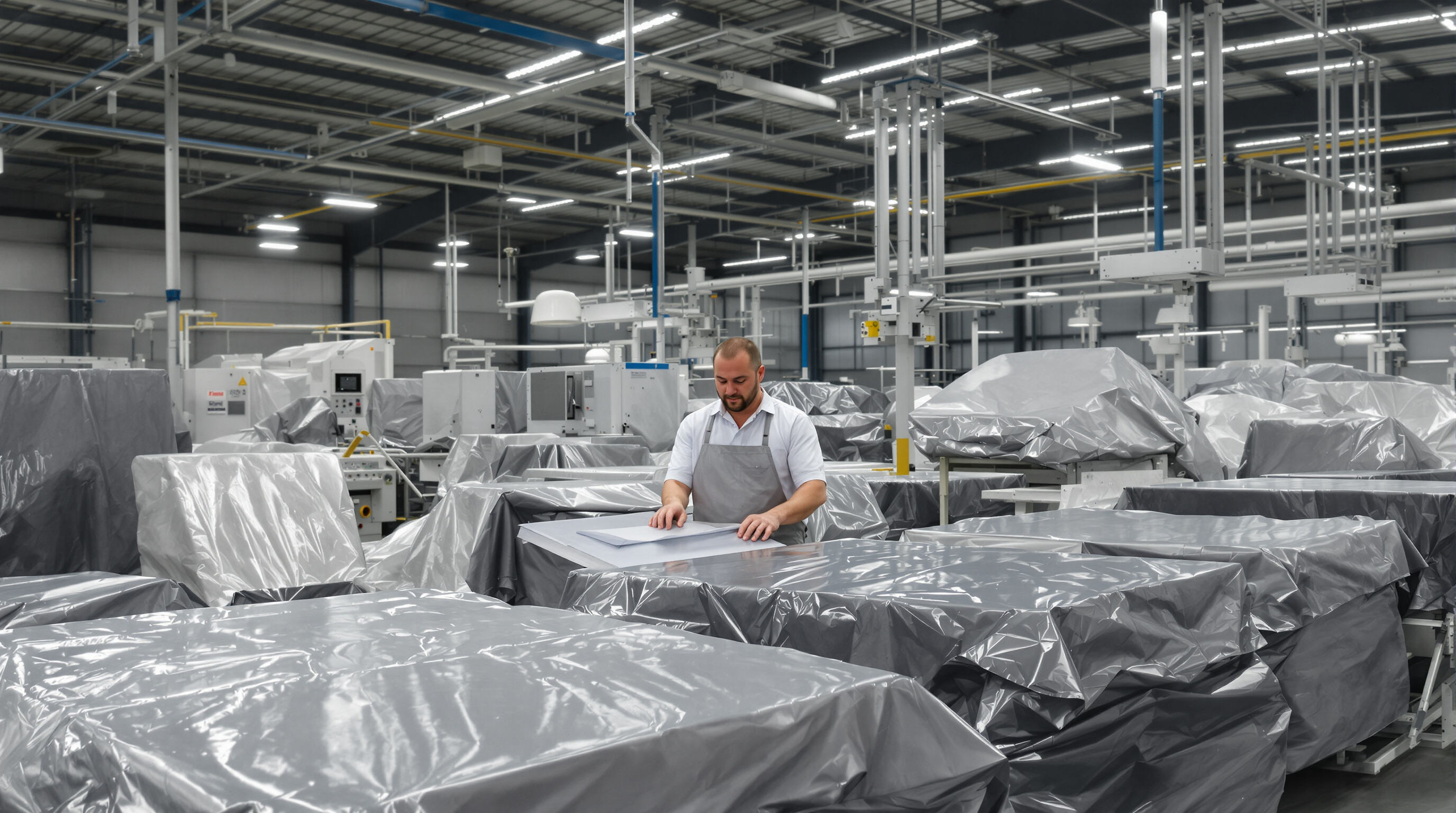
Looking for an AC cleaning cover manufacturer? Focus on those with ISO 9001 certification first and foremost. Also check if they have HVAC specific qualifications such as meeting AHRI standards. Don't forget to look at what people are saying about them online. Sites like Trustpilot offer real world feedback from actual customers. The BBB ratings are another good indicator of how responsible a company really is. Want proof of industry standing? Look at their involvement with professional groups. According to recent data from the 2023 HVAC Durability Study, around three quarters of top manufacturers were members of ASHRAE. That kind of affiliation speaks volumes about credibility within the field.
Reliable suppliers disclose material origins and factory conditions, with 65% of top-performing manufacturers publishing annual sustainability reports. Look for adherence to ASTM International fabric testing protocols and OSHA-compliant production facilities. Manufacturers meeting global quality benchmarks typically achieve 30% fewer product defects compared to uncertified competitors.
Top brands typically come with three year warranties backed by real testing that simulates over a decade of sun damage. According to recent findings from independent labs published in last year's Protective Covers Report, those fancy laminated polyester covers still kept 95 percent of their water repelling ability even after going through 5,000 rounds of humidity testing. When shopping around, look for companies that stand behind their products with replacement parts available. The big names in the business manage to get most warranty replacements out the door within 24 hours, with stats showing they hit about 98 percent fulfillment rate on these requests.
Universal covers do cut down on inventory expenses, but according to a recent survey involving around 1,200 HVAC contractors back in 2024, roughly 40% noticed their equipment wearing out faster with those so-called one-size-fits-all models. When put through actual tests, custom made covers lasted almost three times longer than the generic alternatives. Of course there's a catch they need exact measurements and some fancy 3D modeling work during manufacturing. The trick is figuring out where to draw the line between saving money upfront versus protecting investments over time. Good news though modular systems are becoming popular these days because they let technicians adjust sizes on site while still keeping seams intact and secure.
Working with a reliable AC cleaning cover manufacturer ensures your protective gear meets quality standards, but proper usage determines its effectiveness. Follow these guidelines to optimize performance and avoid common pitfalls.
When choosing a cover, make sure it matches the size and shape of the unit properly. A good fit means no gaps where air can escape but still allows proper airflow around all parts of the equipment. Look for covers that have extra strong stitching along the edges and built-in vents to keep condensation from forming inside. If the unit sits outside, then definitely go for something that comes with adjustable ties or maybe even weighted corners so strong winds won't blow it away during storms. Check on these protective covers every few months too. Tear? Mold spots? Fading material? All signs that replacement might be needed soon. Give them a gentle wash with regular dish soap when they get dirty, otherwise grime tends to stick to the unit itself over time.
Only put covers on when the system won't be used for a long time, like right after the last cool down in autumn or just before those winter storms hit. Take them off about one to two weeks before turning the HVAC back on so any built up moisture has time to dry out. For places where winters aren't too harsh, skip full coverage altogether. A simple guard over the top works better since it keeps leaves and dirt out but still lets air move through normally. And remember to schedule cover removal around regular maintenance checks. Technicians need clear access to look at those coils and other parts without having to wrestle with plastic or canvas barriers getting in the way.
By addressing these issues, users can extend cover lifespans by 2–3 years while maintaining HVAC efficiency.
The Asia-Pacific region leads the way in manufacturing AC cleaning covers, with Chinese factories alone producing around two thirds of what's made worldwide according to Global Trade Analysis numbers from last year. Companies here have gotten really good at making affordable polyethylene options and those special UV resistant polyester versions too. Meanwhile down in South Korea, there's been some interesting developments happening where they're experimenting with covers that actually fight off bacteria growth. Online marketplaces such as Alibaba and ThomasNet have made it much easier for businesses to place big orders, often including services where independent inspectors check product quality before shipping overseas. But let's not forget the challenges: nearly a third of companies faced serious delays last year when they didn't take time to actually visit factories themselves before ordering through these digital platforms.
Many unreliable suppliers just don't provide those important material certifications we all need to see, things like UL 94 flammability ratings or compliance with ISO 14644 cleanroom standards. Be on the lookout for MOQs that seem way too high. Real manufacturers usually let customers order samples first. Some interesting research came out last year showing that nearly half (about 41%) of faulty HVAC covers traced back to factories that hadn't done proper ASTM G154 accelerated weathering tests. And when it comes to payment arrangements, watch out for companies asking for full payment before shipping anything or having vague return policies. These tend to be red flags for products that just aren't going to meet expectations in terms of quality.
An HVAC company based in the Midwest saw a massive drop in winter equipment damage - around three quarters less - after they teamed up with a local cover maker who works with military spec vinyl materials. Working together allowed them to get covers made specifically for older equipment models, something that was pretty hard to find before. Their delivery times were really good too, hitting almost all shipments on schedule according to industry standards from last year's benchmark report. Making these covers domestically cut down those long wait times we usually see with stuff coming from abroad, which often took six to eight weeks to arrive. Plus, this approach still met those strict environmental rules set forth by California's SB 244 legislation regarding sustainable business practices.
The market for recyclable silicone covers has grown quite a bit lately, hitting 19% currently compared to just 6% back in 2020 according to Frost & Sullivan research from last year. Some newer smart versions come equipped with those fancy IoT sensors priced anywhere between $59 and $129 at retail stores. These sensors track both humidity levels and temperature changes, then connect through smartphone apps to notify owners when it's time to clean their covers. Many top brands are now putting QR codes right on the packaging that link directly to helpful installation videos online. This makes sense since about one out of every five cover replacements happens because people didn't install them properly in the first place.
AC cleaning covers are designed to protect outdoor HVAC units from leaves, dirt, rainwater, and harmful sun rays while allowing air to circulate to prevent moisture buildup inside the unit.
Specialization allows manufacturers to understand and choose the best materials for specific climate conditions, enhancing the durability and effectiveness of protective covers.
Consumers should look for manufacturers with certifications like ISO 9001, HVAC-specific qualifications, positive customer reviews, and adherence to industry standards such as ASTM.
Custom-sized covers offer better protection as they are made to fit specific units, leading to longer durability and reduced wear compared to universal-fit covers.
Common mistakes include over-tightening straps, using non-breathable materials, delaying removal, and ignoring size compatibility, all of which can reduce cover lifespan and system efficiency.
 EN
EN


 Hot News