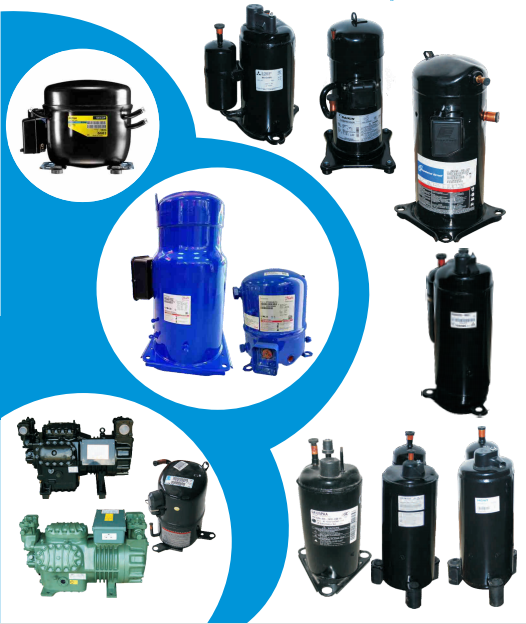
Modern refrigeration systems rely on compressors to circulate refrigerant and manage heat transfer, serving as the core component in temperature regulation. These devices account for 40% of a refrigerator’s energy use while maintaining consistent cooling cycles, according to 2025 refrigeration technology research.
Advanced compressor designs integrate a sealed motor, reciprocating piston, and pressure-controlled valves to optimize performance. Precision engineering minimizes wear on moving parts, with thermal protection systems preventing overheating during extended operation.
Compressor efficiency directly determines cooling consistency and energy consumption. High-efficiency models reduce cycling frequency by 15–20%, maintaining stable temperatures that preserve food quality and reduce mechanical strain (Ponemon 2023).
Fixed-speed compressors operate at maximum capacity until reaching target temperatures, resulting in 30–50% more energy waste compared to variable-speed alternatives. Inverter-driven models adjust output to demand, cutting electricity use by 32% while operating up to 10dB quieter than traditional designs.
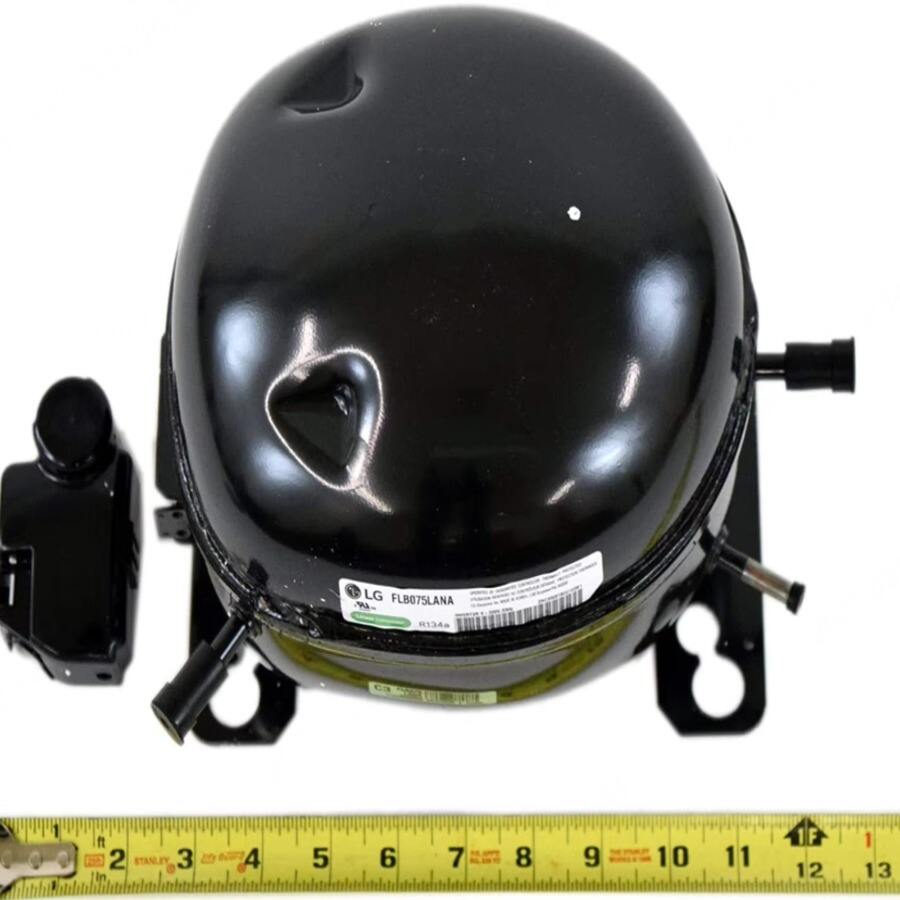
Linear compressors work differently from standard ones because they use electromagnets to move a piston back and forth in a straight path instead of having all those spinning parts we see in regular compressors. The way these direct drive systems operate cuts down on energy wasted through friction, which means LG fridge compressors can fine tune their cooling power much better now. Back around 2014 to 2017 though, there were some problems with reliability that frustrated users quite a bit. But manufacturers made some smart changes over time, especially improving how lubricants work within the system and redesigning certain components. These updates have really boosted how long these compressors last before needing maintenance or replacement.
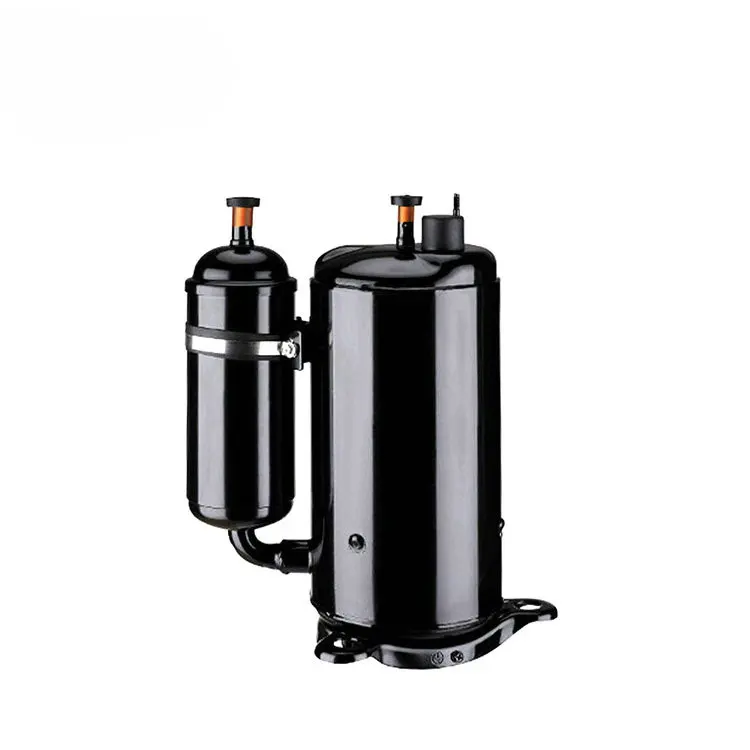
Inverter compressors work with variable speed motors that change how hard they cool depending on what the room needs. These aren't like old fashioned compressors that just turn themselves on full blast then shut off completely. Instead, they keep things at a steady temperature without all that cycling, which actually cuts down on electricity usage quite a bit – somewhere around 30 to 35 percent according to those folks at ENERGY STAR back in 2023. LG took this concept even further with their dual inverter models. What makes these special is having two separate motors working together, one for the fridge section and another for the freezer area. This setup means each compartment can be controlled independently, leading to better overall performance and less wasted energy across both spaces.
| Feature | Rotary | Scroll | Linear |
|---|---|---|---|
| Noise Level | 44–48 dB | 42–45 dB | 38–41 dB |
| Energy Efficiency | Standard | High | Highest |
| Durability | 10–12 years | 12–15 years | 8–10 years* |
| Use Case | Budget models | Large-capacity units | Premium efficiency |
*LG’s 2022–2024 linear models show 30% fewer failure rates than earlier generations.
The old linear compressors used to break down quite often, but newer versions that fixed problems with lubrication and alignment have really closed that reliability gap. According to industry reports from people who actually take these things apart, today's LG linear compressors perform about the same as rotary models after five years, with failure rates around 14% or lower. Still, scroll compressors hold the crown for lasting power, sitting pretty at 93% reliability over ten years. Some technicians complain that linear systems are just plain complicated to fix when something goes wrong. But most homeowners find they're worth it anyway because they save money on electricity bills and run so quietly that nobody even notices them working.
The latest ENERGY STAR data from 2023 indicates that LG fridge compressors work about 18 to 34 percent better than regular models when it comes to efficiency. The secret lies in their design. Linear compressors save energy because they don't have those rotating parts that waste power. Meanwhile, the inverter versions adjust their motor speed based on what the fridge actually needs for cooling. When tested in real homes, these linear compressors ended up saving homeowners between fifty eight and seventy four dollars each year on their electric bills compared to older fixed speed units, as noted in the U.S. Department of Energy appliance standards report released last year.
LG's variable speed tech lets their inverter compressors slash energy use by around 32% when running at partial load simply by changing how fast the motor spins. Meanwhile linear compressors work wonders too, getting efficient results without all that friction thanks to magnetic movement that keeps them running smoothly instead of constantly turning on and off. Put these innovations together and households end up cutting down carbon dioxide emissions by about 110 kilograms every year. To put that into perspective, it's roughly what would happen if someone planted nearly 2.4 acres worth of trees according to research from the EPA's Green Building Study back in 2022.
| Compressor Type | ENERGY STAR Score | Annual Cost Savings |
|---|---|---|
| Fixed-Speed | 6.8/10 | $0 (Baseline) |
| Inverter | 8.9/10 | $64–$82 |
| Linear | 9.2/10 | $72–$91 |
Models with linear compressors exceed ENERGY STAR’s minimum efficiency by 20%, qualifying for utility rebates in 38 U.S. states.
When checking how well compressors work, technicians look at ratings called SEER (Seasonal Energy Efficiency Ratio) and EER (Energy Efficiency Ratio). The top models from LG typically get scores between 14 and 18 on the SEER scale. Modern smart fridges actually have built-in systems that predict when the compressor needs to run, which keeps temperatures really stable within about half a degree Fahrenheit either way. This kind of control also means less stress on the machine itself. Regular upkeep matters too. Just cleaning those coils every so often can help compressors keep working nearly as good as new for around 10 to 15 years according to recent durability tests published by AHAM in their 2023 report.
When selecting an LG refrigerator compressor, understanding acoustic performance and operational longevity ensures optimal kitchen comfort and appliance value.
Linear compressors eliminate rotational motion, reducing mechanical vibration by up to 35% compared to rotary models. Inverter-driven designs maintain steady speeds instead of cycling, minimizing abrupt noise spikes. According to the 2024 Noise Criteria Report, these technologies operate below 42 dB—quieter than standard kitchen conversation (50 dB).
| Compressor Type | Average Noise (dB) | Ideal Use Case |
|---|---|---|
| Fixed-Speed | 48–52 | Garages, utility spaces |
| Inverter | 40–45 | Open-concept kitchens |
| Linear | 38–42 | Small homes, nurseries |
| While quieter models excel in noise-sensitive environments, fixed-speed compressors often recover temperature faster after door openings. |
A 2023 survey of 1,200 LG refrigerator owners revealed:
Proper maintenance extends operational life across all types:
Refrigerators with inverter or linear compressors retain 23% more resale value after seven years due to their proven reliability.
First thing to do when shopping for a new AC unit is figure out what kind of cooling our home actually needs. Take note of how much we're using it day to day and check those numbers against what LG compressors can handle. The newer models with variable speed tech are pretty amazing they cut down on wasted energy by around 40 percent compared to older fixed speed ones according to a study from Ponemon back in 2023. Definitely worth looking at ENERGY STAR certified appliances too since these typically save between 15 and 20% on annual electricity bills. Most one to three person households find that a basic single door refrigerator with a linear compressor works just fine for their needs. But bigger families usually get better results with those fancy inverter driven French door systems that adjust themselves based on demand.
| Factor | Inverter Compressor | Linear Compressor | Fixed-Speed Compressor |
|---|---|---|---|
| Initial Cost | $1,200–$1,800 | $1,000–$1,500 | $800–$1,200 |
| Annual Energy Use | 450 kWh | 500 kWh | 700 kWh |
| Noise Level | 32–38 dB | 35–40 dB | 42–50 dB |
| Estimated Lifespan | 12–15 years | 10–12 years | 8–10 years |
Inverter compressors offer long-term savings despite higher upfront costs. For quiet operation, LG’s linear compressors run under 40 dB—below typical conversation levels.
Manufacturers are integrating IoT sensors with compressors to predict maintenance needs 8–12 weeks in advance. By 2025, 60% of premium refrigerators will pair R290 refrigerant with AI-driven compressors, cutting carbon footprints by 30% (Ponemon 2023). Smart diagnostics via mobile apps now enable real-time monitoring of compressor health, extending lifespans by 18–24 months.
For guidance on evaluating compressor reliability, consult the 2024 Appliance Technology Report for data-driven comparisons of noise profiles and repair frequencies across brands.
 EN
EN


 Hot News