How to Choose the Right Compressor for Your Refrigeration Needs
Selecting the right compressor determines the efficiency, dependability, and economics of your refrigeration system. For a commercial refrigeration system, cold storage, and even a domestic air conditioning system, the compressor is the ‘heart’ of the refrigeration cycle. Incorrect choices in selecting the right compressor often result in energy inefficiencies, enhanced operational disruptions, and inadequate cooling. You will benefit from the compressor selection procedures outlined in the steps below.

Understand Your Refrigeration Requirements
It is important to understand the requirements according to which each type of compressor is designed for refrigeration purposes and this will help to carry out an outline of the process the individual applications it can serve. Do you want to use it in a small home refrigerator, a large display refrigerator in a grocery store, a whiskey warehouse, or an industrial cooler system? Carrying out a defining process for each will help with understanding the unique requirements each gives in terms of cooling demand. Next in this process, set a value for the cooling load which refers to the blockage of heat in a given perimeter in an hour. Some of the parameters set to arrive at this value include the size of the area, the insulation quality, the outside temperature, the number of doors, and the equipment composition of the area. There are value calculators available on the internet with a cooling load predictor or you can consult an expert. Consider the range you want to achieve too. For instance, a freezer is able to go to lower temperatures when compared with an ordinary refrigerator. This will in turn determine the compressor capacity needed for the said refrigerator.
Learn About Different Compressor Types
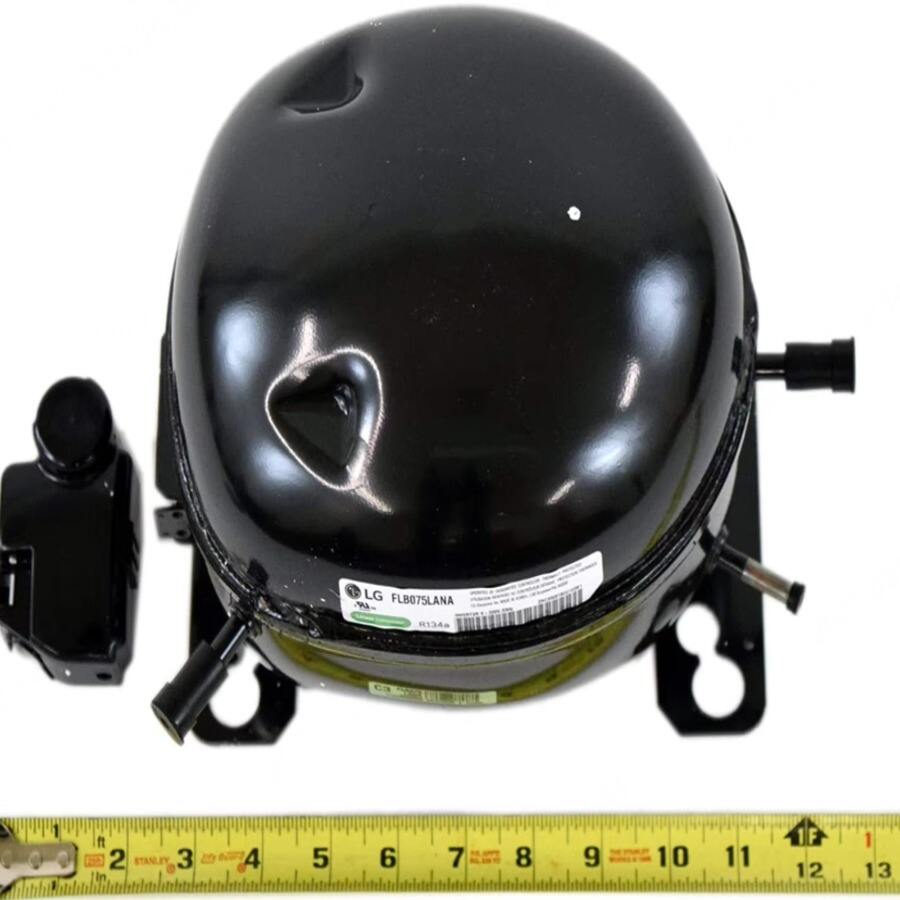
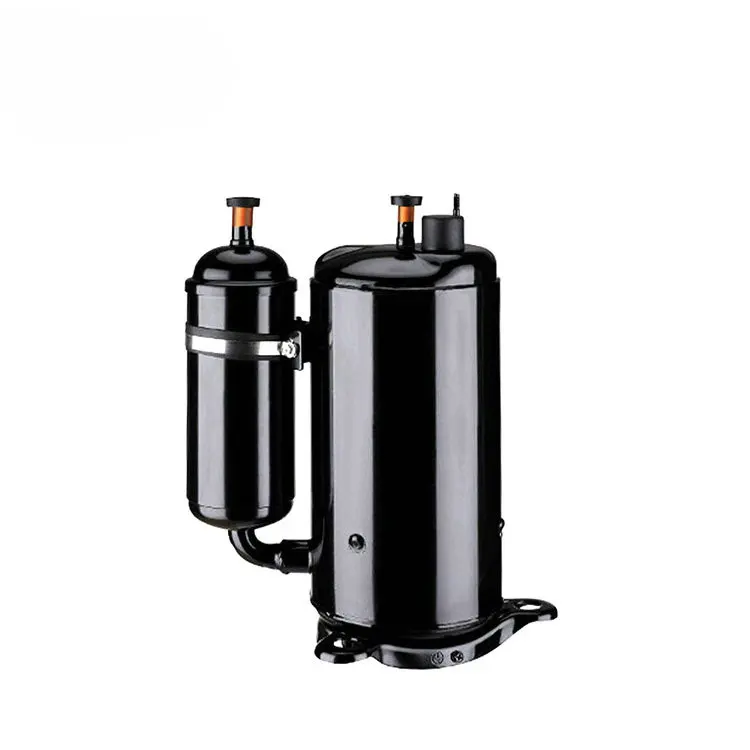
Different types of refrigeration compressors exist, and each has its unique advantages and suitable applications. For instance, reciprocating compressors use pistons and cylinders to compress refrigerants. Due to their low cost and simplicity, these compressors are most applicable in small to medium sized units which include residential fridges and window AC units. Rotary compressors, which include scroll and screw types, tend to operate more efficiently and quieter than reciprocating compressors. Scroll compressors are more common in residential and light commercial air conditioning systems, while screw compressors are more suited in industrial and commercial systems with large cooling loads. For very large systems (e.g. large office buildings or industrial plants systems), centrifugal compressors are the most applicative, since they can withstand extremely high capacities. Knowing the advantages and disadvantages of each type will help to narrow down your choices.
Consider Key Performance Factors
Evaluate as many different types of compressors as possible and at this stage focus on their Key Performance Indicators, in particular their energy efficiency, as this is one of the main cost drivers in any business. When evaluating compressors, always consider their EER and SEER rating. Reliability is also an extremely critical factor, so consider a manufacturer’s reputation, warranty and post-warranty support, and scheduled maintenance. With fewer moving parts like scroll compressors, they usually require less maintenance and last longer. Noise level is particularly important in compressors like used in residential areas and in offices. Rotary compressors are usually quieter than reciprocating compressors. In addition, check the compatibility of the chosen refrigerant with the compressor. Using the wrong refrigerant can lead to compressor damage and a drop in operational efficiency.
Evaluate Sizing and Capacity
Selecting size and capacity is critical. Under-sizing a compressor will struggle to satisfy the cooling demand. The result is compressor overworking, greater energy use and a greater chance of early failure. On the contrary, oversized compressors cycle on and off frequently which not only burns energy, but also leads to excess wear and tear. These are losses of compressor capacity. The cooling capacity of compressors (measured in BTU/hour or tons) must be aligned with appropriate cooling load. Also, expansion possibilities by adding more equipment or storage must be considered. A refrigeration engineer might be needed to confirm the optimal compressor size is selected.
Compare Costs and Budget
Ignoring cost is is practically impossible. Whether investing in a new compressor or using one already owned, consideration should be made regarding the purchase price as well as the cost to operate in the future. In the longer term, high-efficiency compressors, even though costly to set up, pay off substantially in saved energy bills. Determine the payback period, to ascertain the period during which the energy saved would serve to cover the investment made. Include the maintenance cost such as service charges or replacement parts. Ensure that the chosen compressor is capable of operating reliably within the set cost limits. Quality should not be compromised for price. A compressor purchased at the lowest price will incur higher energy and repair costs in the future.
Seek Professional Advice
Seek professional advice if you're struggling to choose a particular brand of compressor. The cooling load will be precisely calculated and the correct choice of compressor will be determined. They'll assist with the installation, which is critical to good function. Improper installation can mean refrigerant leaks, wrong lubrication, and loss of function. A professional can appropriately add the compressor to the condenser, evaporator and expansion valve for optimal performance in the refrigeration unit.
Make Your Final Decision
Taking everything into consideration, you’re now in a position to take a firm decision. Revisit your notes on cooling needs, types of compressors, performance metrics, dimensions, and expenditure. Remember to keep in mind the factors that weigh more for your purpose. For instance, if the goal is to achieve maximum energy efficiency, a scroll compressor does the job with high SEER ratings. For compressors of large industrial systems, a screw or centrifugal compressor is more appropriate. With the completion of the selection of the compressor, purchase it from a reputable supplier for a guaranteed high standard, genuine product. For longevity and optimized performance of the compressor, adherence to the instructions provided by the manufacturer in regards to installation and maintenance must be observed.
 EN
EN


 Hot News