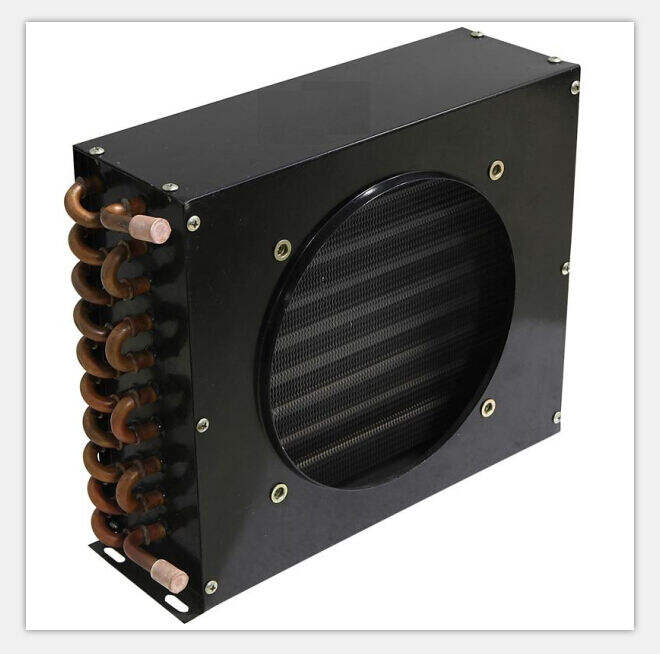
Condenser coils consist of metal tubing usually crafted from copper or aluminum. These coils let out the heat collected from within the refrigerator into the room around it. They work alongside the compressor to change refrigerant gas back into liquid form, which wraps up the main part of how refrigeration works. Research on these coils shows that when this heat transfer happens properly, the condenser in smaller fridges can keep things cool consistently without putting too much strain on the whole system. Good heat exchange is what keeps everything running smoothly without unnecessary wear and tear.
In most compact refrigerators, condenser coils are located at the rear or bottom of the unit. This design maximizes airflow while minimizing space use. Some models house the coils beneath the unit behind protective grilles, while others integrate them near the compressor to enhance heat dissipation in tight spaces.
How well a fridge works really hinges on those condenser coils doing their job of getting rid of heat. Keep them clean and the compressor doesn't have to strain so much, which can cut down on energy usage somewhere around 30 percent give or take. Things start going downhill when dust builds up or stuff gets stuck in there. The little condenser inside has no choice but to work overtime, and this extra effort takes a toll on parts like the fan motor and those refrigerant lines running through the system. Eventually, everything just starts performing worse than it should.
Dust buildup acts as insulation on condenser coils, reducing their ability to release heat. A 2023 study found that refrigerators with dirty coils operate 22% less efficiently, resulting in inconsistent cooling and higher risks of food spoilage.
Dirty coils can increase energy consumption by up to 30%, adding $50–$120 annually to utility bills for small fridges running continuously. This inefficiency stems from the system compensating for diminished heat transfer.
Persistent overheating due to blocked coils is a leading cause of compressor failure. According to a 2023 HVAC performance study, over 68% of compressor failures in small refrigeration units result from chronic thermal stress linked to poor coil maintenance.
Proactive coil cleaning reduces total ownership costs by 40% over a five-year period compared to reactive repair strategies.
Improper cleaning can shorten compressor life by 18–24 months and raise energy costs by up to 20%. Always:
For detailed guidance across models, refer to condenser maintenance standards.
Experts recommend cleaning every 6 to 12 months under normal household conditions. However, units in high-humidity environments require cleaning 33% more frequently to maintain efficiency, according to an industrial hygiene study. Commercial kitchens and garage installations often need quarterly maintenance due to elevated levels of grease, dust, and airborne contaminants.
Customize your schedule based on these key factors:
Manufacturing facilities that align maintenance with operational demands report 18% energy savings, based on 2023 HVAC efficiency data.
Start each maintenance session by checking the condenser fan motor for debris or vibration. Blocked airflow increases energy use by 15–20% in compact units (HVAC Efficiency Journal, 2023). Clean fan blades with a soft brush and confirm unobstructed vent clearance—restricted airflow can cut cooling efficiency by up to 30%.
When doing monthly checks on appliances, don't forget to look at those fins - bent ones or any corrosion issues are actually responsible for about 40-45% of compressor problems according to Appliance Repair Insights from last year. Grab a fin comb and gently work on straightening out those aluminum fins back into their proper position. Also keep an eye out for any oily spots around the unit since this often means there's a leak somewhere. Catching these issues early saves money down the road, with repair bills typically running between two hundred to maybe even five hundred bucks if left unchecked.
Adopt a structured quarterly plan that includes coil cleaning, motor inspection, and seal checks. Research shows such programs extend appliance lifespan by 40% compared to reactive approaches. Track service activities using checklists like the one below:
| Maintenance Aspect | Ideal Frequency | Key Indicators |
|---|---|---|
| Coil cleanliness | Quarterly | Dust accumulation level |
| Fan motor performance | Biannually | Vibration intensity |
| Refrigerant pressure | Annually | PSI readings |
Always follow OEM guidelines, as designs vary across manufacturers. Over five years, proactive maintenance typically costs 75% less than emergency repairs, according to equipment lifecycle studies.
 EN
EN


 Hot News