Without question, the compressor sits at the core of every refrigeration system, really being what determines how much energy gets used and what the operating costs will end up being. These compressors alone take care of more than half the electricity bill in most systems. When they work efficiently, everything else follows suit – from the condenser down to the evaporator and all those control mechanisms. Badly designed or outdated compressors can push power usage up anywhere between 15% and 30% in places like supermarkets or restaurants. Not only does this mean higher bills, but parts tend to break down faster too. And let's not forget about the environmental impact when we're talking about increased carbon emissions from these inefficient units running nonstop.
Efficient compressors actually flip things around completely. Consider the R600a rotary model for instance. The way it's built cuts down on those annoying mechanical losses and stops refrigerant from leaking out. Over time, this means owners save money across the board - we're talking about potential savings of nearly 40% throughout the whole life cycle of the system plus it helps meet green goals too. Better compressor performance brings other advantages along for the ride. Condensers don't have to work so hard anymore, temperatures stay more stable, and systems become generally more reliable when something goes wrong. Because of all these ripple effects, picking the right compressor isn't just important, it's arguably the biggest call anyone has to make when designing refrigeration systems today.
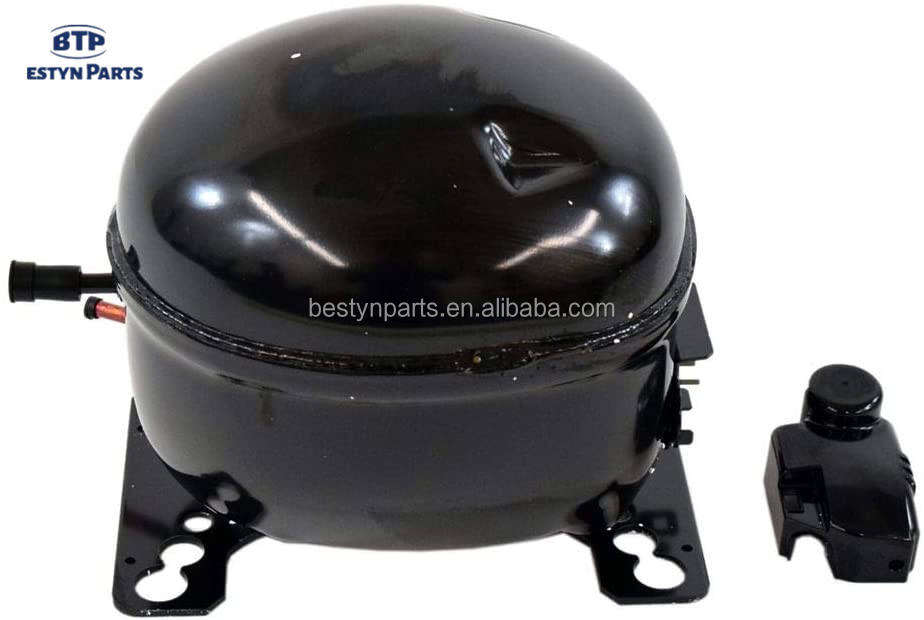
With a global warming potential of just 3 and no ozone depletion at all, R600a fits right in with what's happening with F-Gas rules these days and helps companies meet their climate targets. From a technical standpoint, this refrigerant works really well because it absorbs heat efficiently thanks to its high latent heat of vaporization and doesn't require much compression. Some solid research out there indicates that when properly implemented in rotary systems, R600a can slash energy consumption by around 18.7% compared to older refrigerants. What makes it even better for rotary compressors specifically is how it plays nice with the machinery. The lower pressure means less wear and tear on those moving parts like vanes and bearings. This translates to two big wins: immediate reductions in power bills and equipment that lasts longer without losing its cooling punch. Most technicians we talk to see this as a game changer for both operational costs and maintenance schedules over time.
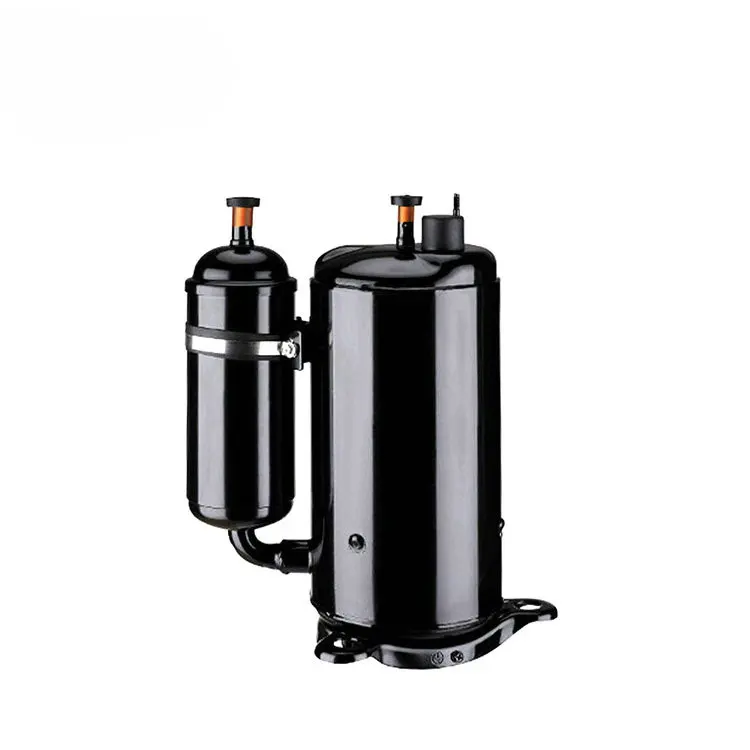
The latest generation of R600a rotary compressors brings together three major engineering breakthroughs that really make the most out of what this refrigerant has to offer. First off, those sliding vanes now have diamond-like carbon (DLC) coatings applied to them, which cuts down on friction by around 40 percent. That means less energy gets lost during rotation. Then there are these multi-stage labyrinth seals working alongside some top notch polymer composite materials, and they manage to slash refrigerant leakage by well over 30%. What matters even more though is how manufacturers have tightened up production tolerances while also redesigning valve shapes in an asymmetric fashion. These changes boost volumetric efficiency so much that we see about 15% better cooling performance for every kilowatt used, all without needing bigger displacement volumes. When paired with variable speed capabilities, this whole package lets the system match loads exactly as needed. This becomes particularly important in commercial refrigeration applications since most units actually run at less than full capacity for roughly seven out of ten hours during normal operation cycles.
Variable Speed Drive (VSD) compressors cut down on wasted energy compared to those old fixed-speed models that keep turning on and off all the time. These drives adjust how fast the motor runs based on what the system actually needs at any given moment. This helps keep things at a steady temperature without all that wear and tear from constant starting up again and again. Plus, they work well even when not running at full capacity. Refrigeration systems in stores and industrial chillers get the biggest boost from this technology since their cooling demands change so much throughout different parts of the day. Smart control systems take VSD performance to another level by connecting sensors across the network and predicting when demand will shift. Take night hours for instance, these smart systems know to slow things down gradually instead of just shutting everything off completely. Pairing VSDs with efficient compressor platforms such as R600a rotary models creates some really good results together. We see lower electricity bills, better temperature stability, extended lifespan for equipment, and quicker payback periods for green initiatives in practice.
Evaluating refrigeration efficiency demands analysis beyond nameplate ratings. Three metrics provide actionable insight: Coefficient of Performance (COP), Integrated Part Load Value (IPLV), and Total Cost of Ownership (TCO).
The COP measures how efficient something is when running at full power. For instance, if we look at a COP rating of 3.0, this means it produces three kilowatts worth of cooling for every single kilowatt put into the system electrically. Now IPLV takes things one step beyond COP by looking at an average efficiency across different operating levels - typically 100%, 75%, 50%, and even down to 25% capacity points. Most commercial refrigeration units actually spend about 80% of their time running below maximum capacity anyway, so IPLV gives us a much clearer picture of what happens during normal operation. Systems with good IPLV scores tend to perform well when they're not working at top speed, which matters a lot for places like grocery stores where temperatures need to stay consistent all day long, or in warehouses storing perishables, plus various industrial cooling applications too.
TCO captures the full financial lifecycle:
When companies focus on improving all three key performance indicators at once, the financial benefits really stack up. Take for example a typical mid-sized grocery store where boosting the coefficient of performance (COP) by just 10% in their R600a rotary-VSD refrigeration system could save them around $8,500 each year on electricity bills. The integrated part load value (IPLV) metric tells another story too. Facilities operating in settings where demand fluctuates throughout the day see operational expenses drop between 15 to 30% when IPLV is optimized. What's even more impressive are the results from stores that combine efficient compressor technology with smart maintenance practices. These operations often achieve total cost of ownership reductions of nearly 40% over a decade, sometimes getting back the extra investment spent on better equipment within just two to three years. Looking beyond initial purchase price makes sense for businesses concerned about long term sustainability as well as bottom line profits.
 EN
EN


 Hot News