Air conditioning insulation pipe fittings basically cover those refrigerant lines and chilled water pipes running through HVAC systems. What these fittings do is keep things at the right temperature, cut down on running costs, and help equipment last longer since they stop heat from moving between the pipes and whatever surrounds them. According to research published last year on HVAC efficiency, when systems have good insulation, they can save around 15% on yearly energy bills. That makes proper insulation really important whether we're talking about homes or big commercial buildings.
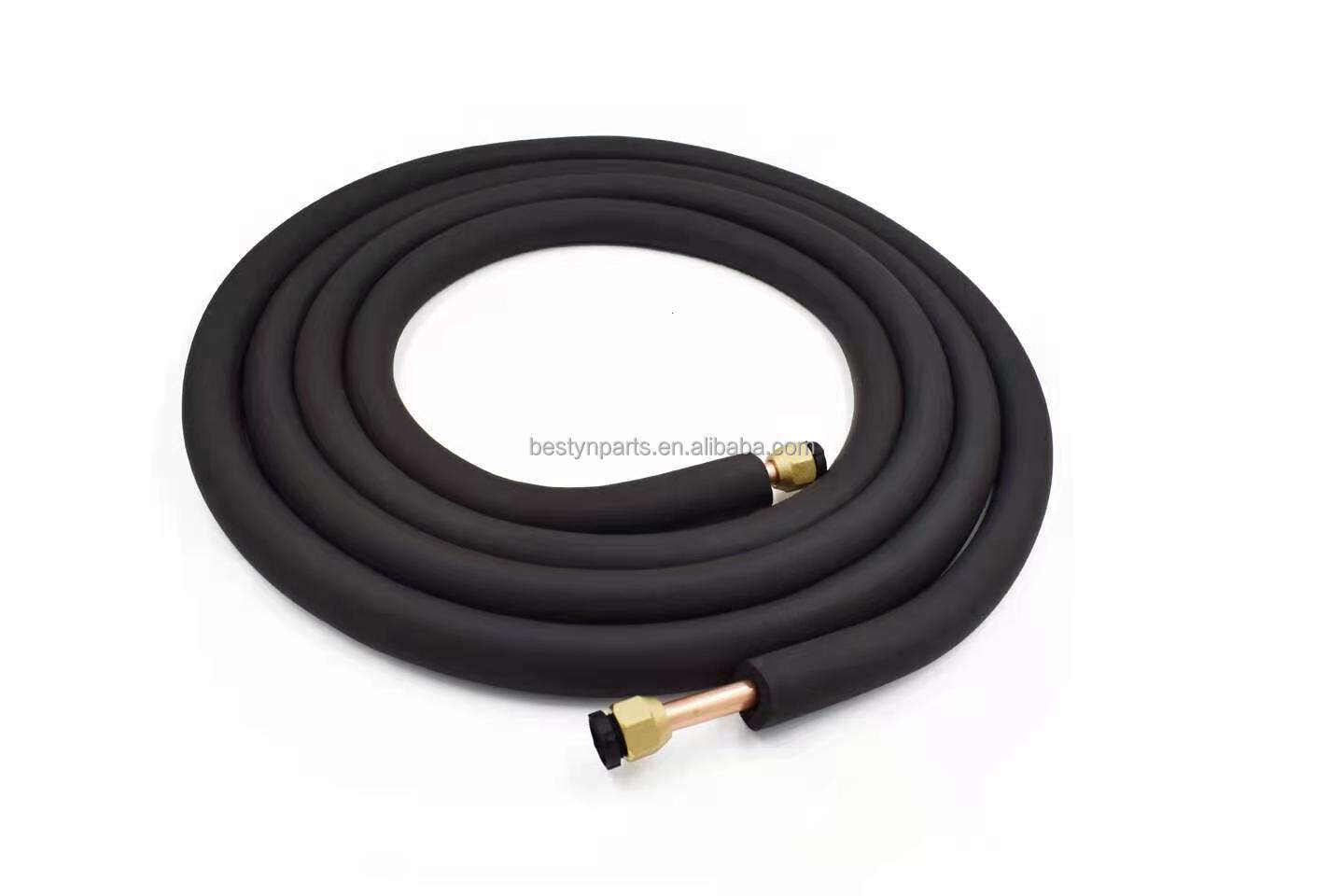
Pre molded and wrap style insulation parts are basically flexible thermal barriers crafted from stuff like elastomeric foam or polyethylene material. These fit tightly around different pipe types including copper, PVC and PEX in things like split system air conditioners, chilled water systems, plus refrigerant lines throughout buildings. What sets them apart from regular plumbing fittings is their special vapor resistant seals that stop moisture from getting inside. This matters because when water gets into the insulation, it can cause all sorts of problems down the road.
Uninsulated aircon pipes lose 20–30% of cooling capacity through thermal exchange with surrounding air, forcing compressors to work 40% harder during peak cycles. This increases wear and electricity costs. The 2024 HVAC Materials Report emphasizes that insulation thickness directly impacts efficiency—a 13mm-thick layer reduces heat gain by 85% compared to bare pipes.
Keeping surfaces warmer than the surrounding air stops condensation from forming, which means no more corrosion or mold problems down the line. The best insulation materials are those closed cell foams that conduct heat really poorly (something like under 0.035 W/mK) because they form tight seals where pipes connect, so refrigerants stay put instead of leaking out. We saw this work in practice too. Some facilities in hot humid regions reported saving around seven hundred forty thousand dollars each year on maintenance after switching to proper insulation. They basically stopped having all those breakdowns caused by water getting into the system components.
The insulation pipes used in air conditioning systems typically use materials such as closed cell elastomeric foam which has an R value of about 6 per inch, or calcium silicate that works well up to around 1200 degrees Fahrenheit (about 650 Celsius) for stopping heat movement. Aerogel insulation stands out because it offers roughly half again as much thermal resistance compared to what we normally see, so it's great when space is limited even though it comes at nearly double the price according to ASHRAE research from last year. Fiberglass remains a good budget choice for areas where there isn't much moisture, but those same fibers start breaking down about thirty percent quicker than other synthetic materials once they get exposed to damp conditions over time.
Copper fittings work really well for refrigerant lines because they conduct heat so efficiently, about 401 watts per meter Kelvin, which helps move heat around quickly. But when it comes to chilled water systems operating under 140 degrees Fahrenheit or 60 Celsius, corrosion resistant PVC is actually the go to material these days. The savings on installation can be pretty significant too, somewhere between 25 and 35 percent compared to copper. Some tests looking at thermal performance showed that the smooth inside surface of PVC pipes actually reduces pump energy consumption by roughly 8 to 12 percent in closed loop systems. That said, PVC does have its limits. With a pressure rating of only 150 psi, it simply won't hold up in those high pressure steam applications where copper would be the better choice.
Copper fittings definitely come with a higher price tag right from the start, about double what PVC costs. But here's the thing - these copper ones keep around 97% of their heat transfer ability for well over fifteen years, whereas most PVC systems only manage about 82% according to those HVAC standards folks published last year. When we're talking about big commercial buildings though, there's something else worth considering too. These fancy pre-insulated PEX aluminum composite pipes might seem expensive at first glance, but they actually pay off in the long run because they don't need replacing so often. Take a look at projects that are expected to last twenty years or more, and suddenly it becomes pretty clear why many building managers prefer the corrosion resistant metal options. The savings on overall maintenance and replacement costs can be anywhere between 18% to 22% compared to regular plastic fittings, which makes all that extra initial spending feel justified after a while.
Getting aircon insulation pipe fittings right means they need to work properly with whatever refrigerant is being used and handle the specific operating conditions without causing problems down the road. Elastomeric foam works well with R-410A refrigerants even when pressures reach around 650 psi. Polyethylene isn't so lucky though it tends to break down about 40 percent quicker under those same conditions according to recent studies from ASHRAE. Before making any decisions, check out those material compatibility charts that match up with the type of refrigerant in play. Special attention should go to hydrofluoroolefin or HFO blends since these really need materials that won't react chemically over time. Most experienced technicians suggest pairing insulation thickness with how big the temperature difference actually is. Half inch insulation usually gets the job done if the temperature gap stays below 40 degrees Fahrenheit. But folks working near the coast? They typically opt for three quarter inch profiles because salt air can be pretty harsh on standard materials.
The harshness of extreme weather really takes its toll on insulation fittings over time. Take deserts for instance where temperatures can jump around between 50 degrees Fahrenheit at night to scorching 120 during the day. According to a study published by the Department of Energy back in 2023, these temperature fluctuations make standard PVC materials crack about three times quicker compared to those reinforced with copper. When we look at places with lots of moisture in the air, something interesting happens too. Insulation that has closed cells along with proper vapor barriers cuts down on condensation problems roughly 62 percent better than their open cell counterparts. For areas prone to earthquakes, engineers tend to favor modular fittings equipped with compression joints because they handle pipe movements much better. These systems can actually absorb quarter inch shifts without compromising the integrity of the seals, which makes them particularly valuable in seismically active regions.
Most commercial HVAC systems rely on standard fittings, though hospitals and data centers with their complicated layouts usually need something custom made for the job. Prefabricated 90 degree elbows can cut down installation time by around 12 to 15 percent when building new office towers, but they don't work so well during retrofits where there's all sorts of odd spacing issues. Looking at actual HVAC compatibility reports reveals that cutting insulation sleeves to fit specific spaces actually boosts thermal retention by about 18% in those tight mechanical rooms we all know and love. Still, most manufacturers warn against going overboard with custom parts. Sticking to ASHRAE 90.1 standards means roughly 95% of components stay easy to replace, which is pretty important when maintenance crews need to fix things quickly without hunting down rare specialty parts.
First things first, make sure those refrigerant lines are clean and all the fittings line up properly before wrapping anything in insulation. When dealing with wall mounted units, use those corrosion resistant clamps to hold down the pipes securely. Important thing here is getting good contact between the insulation material and actual pipe surface. For ductless systems, take care when cutting those insulation sleeves so they fit snugly around both indoor and outdoor connections. Don't forget to properly seal all the terminal points with something that blocks moisture effectively. And remember to check those temperature and pressure specs against what the manufacturer recommends. Getting this right prevents those annoying thermal bridges that can really mess up system performance over time.
Around 35 percent of all HVAC system inefficiencies come down to bad seals on those joints according to ASHRAE research last year. When sealing things up, it's best practice to use either closed cell foam tape or specifically designed sealing products where sections meet. Aim for about half an inch overlap when working with vapor barriers to ensure proper coverage. For chilled water piping installations, professionals recommend applying the adhesive while gently pulling the material tight across the surface this helps get rid of any trapped air bubbles that can form later. And don't forget to do pressure testing either run these checks at 1.5 times normal operating levels and let them sit for around half an hour before calling the job complete.
Three frequent mistakes degrade performance:
Maintain a 10 mm clearance between insulation and adjacent walls to prevent moisture buildup. Post-installation thermal imaging identifies hidden gaps with 92% accuracy.
Quarterly inspections prevent 85% of HVAC efficiency losses caused by degraded insulation (ASHRAE 2023). Technicians should:
Cracks in vapor barriers or hardened adhesive require immediate replacement to avoid 15–20% energy waste in commercial systems.
Coastal and industrial installations benefit from closed-cell insulation with ¥0.92 wet thermal retention ratings. A 2023 thermal performance study showed nitrile rubber insulation retains 94% R-value after five years in 80% RH environments—versus 67% for standard polyethylene. Key mitigation strategies include:
| Factor | Solution | Frequency |
|---|---|---|
| Salt spray | Silicone sealant recoating | Biannual |
| Acidic condensation | PVC outer jacketing | Install during retrofit |
| Microbial growth | Biostatic coating application | Every 3 years |
Annual pressure-washing removes 90% of corrosive particulates without damaging vapor barriers.
 EN
EN


 Hot News