 EN
EN

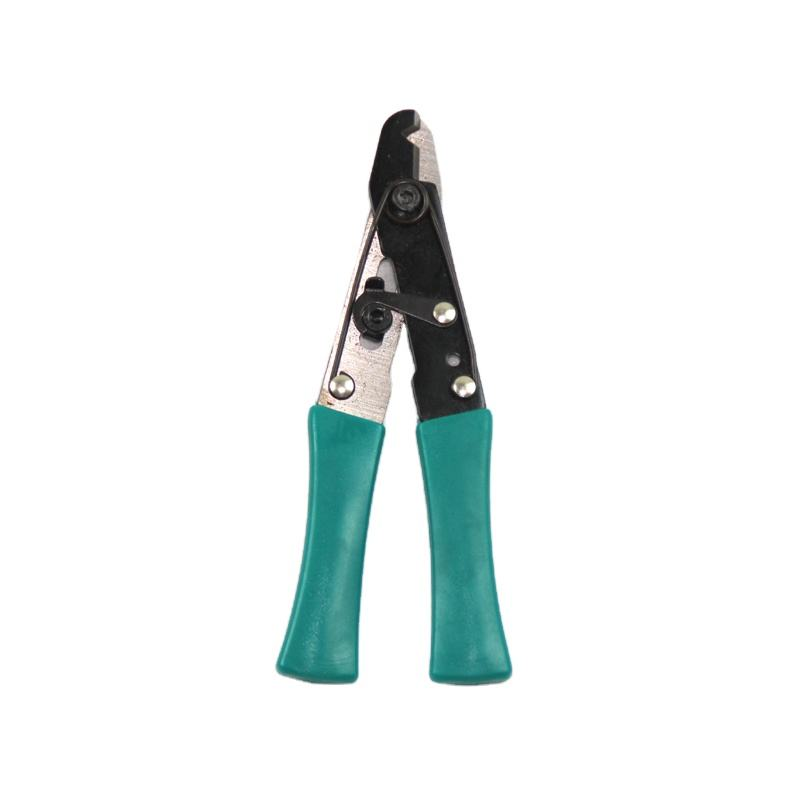
Why Rotary Tube Cutters Are the Standard for Refrigeration Work
Rotary vs. Hacksaw vs. Band Saw: Speed, Control, and Field Practicality
When it comes to refrigeration work, rotary tube cutters have become the go-to choice for good reason. They aren't just following tradition either - these tools actually perform better than alternatives. Let's face it, hacksaws take forever, often needing over 30 seconds per cut and leaving behind those frustrating angled or squashed cuts that mess up flares. Band saws do cut quicker around 8 to 10 seconds, but who wants to lug around that heavy equipment? Especially when working on rooftops, in tight mechanical spaces, or during service calls where being able to move freely matters most. Rotary cutters change the game entirely. These little powerhouses give straight, clean cuts within 3 to 5 seconds thanks to their one-handed design and the ability to watch exactly where the blade is going as it works. According to feedback from actual HVACR techs out there, switching to rotary tools cuts down installation mistakes by about two thirds. Why? Because they offer steady control without all the hassle of clamping things down first. The benefits really do form the basis of why so many professionals prefer them now.
- Portability: Compact enough for tool belts; no external power or stands required
- Precision: Maintains true 90° cuts on soft tubing without distortion or ovality
- Safety: No rotating blades beyond the cutter wheel—no flying chips or kickback
| Method | Avg. Cut Time | Portability | Burr Risk |
|---|---|---|---|
| Rotary Cutter | 3–5 sec | High | Low |
| Hacksaw | 30+ sec | Medium | High |
| Band Saw | 8–10 sec | Low | Medium |
How Soft-Metal Tubing (Copper/Aluminum) Demands Clean, Burr-Free Rotary Cuts
Copper tubing (ASTM B88 standard) along with aluminum tends to bend or twist when hit by sudden impacts or subjected to uneven pressure, which means rough cutting techniques just won't work for refrigeration applications. Rotary cutters handle this problem by applying steady, gradual pressure through their hardened steel blades and two roller mechanisms. This approach stops problems like flattening, metal sticking together (galling), or compressed walls from happening. Getting this right matters a lot because even tiny burrs over 0.005 inches can become actual leak points in those high-pressure systems using R-410A or R-32 refrigerants that operate above 500 PSI. Field tests have shown that clean cuts from rotary tools cut down on refrigerant leaks by around 92% compared to regular saw cutting methods. What's interesting too is how the rolling motion actually makes the metal slightly harder at the cut edge. This subtle strengthening effect leads to better flaring results, particularly important when working with tight tolerance microchannel coils and newer types of fittings that don't require traditional flares anymore.
Material-Specific Tube Cutter Requirements for Copper, Aluminum, and Steel
Copper Tubing (ASTM B88): Blade Hardness, Roller Geometry, and Deformation Prevention
Cutting copper tubing according to ASTM B88 standards isn't as simple as grabbing any old sharp blade. The cutting wheel needs to be harder than 60 HRC to prevent work hardening and deformation during the process. This kind of hardness lets the blade stay sharp through hundreds of cuts without getting dull or leaving behind those annoying smears on copper surfaces. Roller geometry matters too. Convex rollers with about a 120-degree contact angle spread out the pressure more evenly around the tube. Tests showed this can cut down ovality issues by roughly 72% when compared to flat rollers. When dealing with thin wall tubing below 0.032 inches thick, blades with micro bevels under 30 degrees help reduce those pesky radial compression forces that cause buckling problems. Technicians need to remember something important though they should turn the cutter in a radial direction rather than going straight along the axis. Getting this right keeps the roundness within plus or minus 0.003 inches, which is absolutely necessary for proper flare seating and creating joints that won't leak.
Aluminum & Thin-Wall Steel: Avoiding Flattening and Galling with Low-Pressure Dual-Roller Designs
Aluminum and thin wall steel materials below 0.049 inches thickness tend to have weak yield strength and stick together easily when pressed. This makes them susceptible to getting flattened out or experiencing galling problems when subjected to focused pressure areas. Standard single roller cutting tools can push over 15 pounds per square inch right where they touch the material, which actually starts squishing the tube before the actual cutting happens. That's why dual roller systems work better for these applications. These setups distribute the force between two balanced points, cutting down on localized stress by around two thirds compared to single rollers. The secondary rollers are angled just right so the blade moves along the material smoothly, which gets rid of those annoying chatter marks and keeps the finished surface looking good. When working with certain aluminum alloys that tend to build up on standard rollers, switching to PTFE coated versions solves the sticking issue while keeping torque levels stable throughout the cut. This ensures clean cuts without burrs that meet the strict sealing standards required for R-32 refrigerants, especially since any contamination could mess with its sensitive chemical properties.
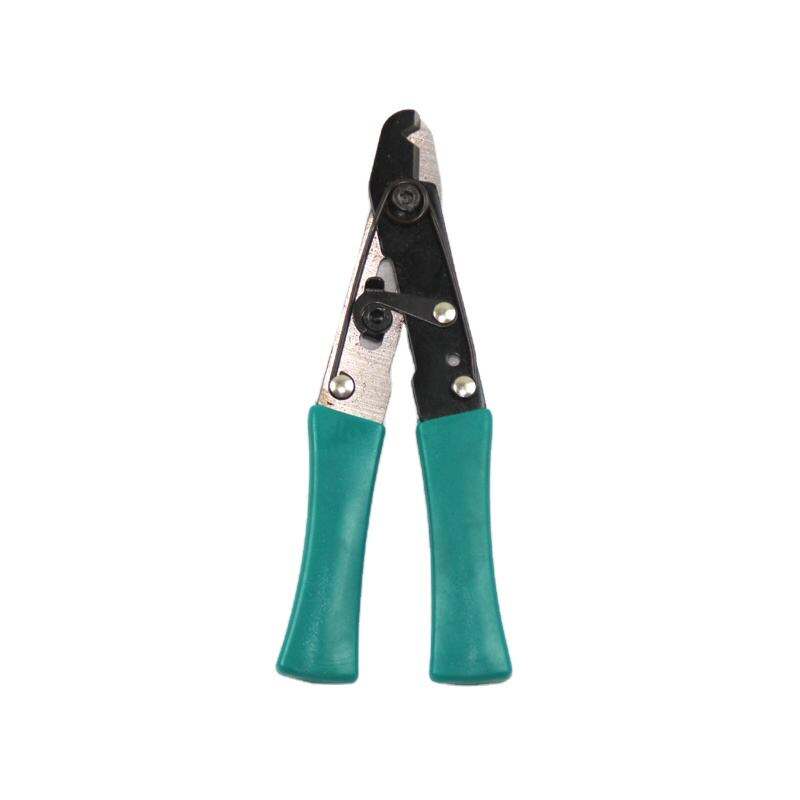
Precision Cuts = Leak-Free Systems: Tolerance, Burrs, and Modern Refrigerant Compatibility
±0.005" Tolerance and Zero Burr: Why Micro-Imperfections Cause Failures in R-410A/R-32 Systems
Refrigerants such as R-410A and R-32 run at pressure levels often above 500 psi, which is almost twice what older R-22 systems handle. These kinds of pressures turn tiny flaws into major problems. When a copper tube isn't cut properly, say if it's off by more than 0.005 inches in roundness or straightness, the stress builds up unevenly at those critical connection points. After repeated heating and cooling cycles, these small issues start as little cracks and then spread until we get full-blown leaks. Burrs on the edges are just as bad because they stop proper contact between metal surfaces in flared connections, letting pressurized gas sneak out through teeny tiny spaces. For anyone working with modern refrigerants, getting clean cuts without burrs isn't just good practice anymore. It's absolutely essential. Most experienced HVAC techs know that only specialized rotary cutters designed specifically for soft metals can consistently produce the kind of quality cuts required for today's high-pressure systems.
Matching Tube Cutter Capacity to Real-World Refrigeration Applications
OD Range (1/4”–1-1/8”) and Wall Thickness: When Dual-Roller Tube Cutters Prevent Coil Stock Distortion
In refrigeration work, we typically deal with tubes ranging from quarter inch to just over an inch in outer diameter, with wall thicknesses usually between .032 and .065 inches. These big diameter but thin walled tubes are really prone to getting out of shape when someone cuts them with the wrong tool. Single wheel cutters create uneven pressure that squishes the tube and messes up the roundness right where it gets cut. The dual roller type works better because it applies even pressure all around as it spins, keeping things round and avoiding those annoying kinks that make coil installation or brazing a nightmare. Getting the wrong size cutter just adds to the problems. Too small and the tube will bulge outwards. Too big and the tool slips around without proper grip. Picking the right cutter that matches both the outside diameter and wall thickness makes all the difference in maintaining good tube integrity after cutting. This matters a lot for long-term system performance, preventing leaks, and meeting those important pressure specs for modern refrigerants like R-410A and R-32.
Table of Contents
- Why Rotary Tube Cutters Are the Standard for Refrigeration Work
- Material-Specific Tube Cutter Requirements for Copper, Aluminum, and Steel
- Precision Cuts = Leak-Free Systems: Tolerance, Burrs, and Modern Refrigerant Compatibility
- Matching Tube Cutter Capacity to Real-World Refrigeration Applications