 EN
EN

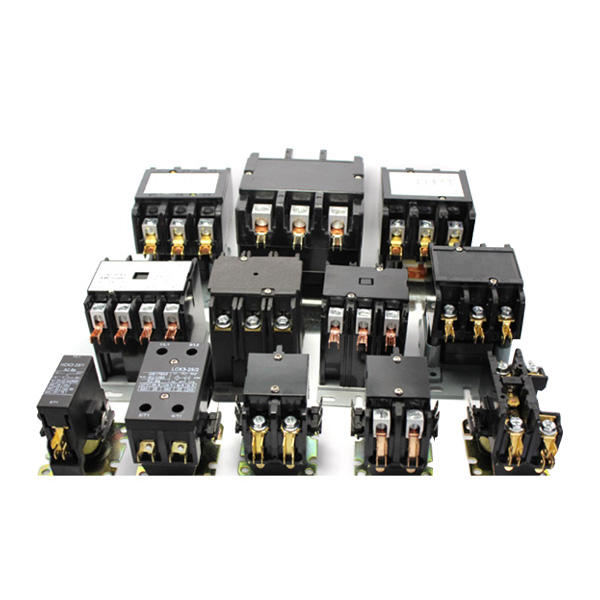
Core Function and HVAC System Integration
How the contactor controls compressor and fan motor startup and shutdown
An air conditioner contactor serves basically as the main electrical switch for turning power on and off to important parts of the system. When the thermostat detects that cooling is needed, it sends a low voltage signal (usually around 24 volts AC) to the contactor's electromagnetic coil. This causes metal contacts inside the device to come together, completing the high voltage circuit that powers both the compressor and the condenser fan motor at the same time. When the system shuts down, the coil loses power and the contacts pull apart, cutting off electricity to those components. This kind of coordinated control helps keep the refrigeration process and heat removal working together properly, reducing the risk of dangerous sparks from poor switching. Choosing the right contactor matters a lot because it needs to handle the total electrical load from both motors. Getting this wrong can lead to problems like welded contacts, overheating issues, or even complete system breakdowns down the road.
Critical interplay with thermostat, capacitor, and compressor in the system startup sequence
Getting cooling started depends on getting those three main parts working together at exactly the right time: thermostat, start capacitor, and contactor. When it's time to kick things off, the thermostat sends out that low voltage signal to wake up both the contactor coil and get the start capacitor going all at once. Almost instantly after that, the contactor makes its connection points come together, sending full power to the compressor right when the capacitor gives that extra push needed to get the motor spinning properly. This kind of timing matters a lot because if things don't happen correctly, we end up with what's called locked rotor situations, something that causes about 80 percent of all compressor breakdowns according to technicians in the field. Compressors pull way more electricity than they normally do during startup sometimes reaching six times their regular amperage level (as specified in UL 60947-4-1 standards). That means the contactor has to handle delivering steady voltage to the fan motor while also managing to cut off that huge electrical surge safely. If any part of this whole thermostat capacitor compressor dance gets messed up even slightly, components wear out faster, everything runs less efficiently, and systems might just shut down completely without warning.
Electrical Specifications: Voltage, Current Rating, and Load Type Matching
Selecting voltage and current ratings using compressor LRA/FLA and fan motor nameplate data
Getting the right size contactor starts by checking those nameplate specs on both the compressor and the condenser fan motor. When we talk about Locked Rotor Amps (LRA), what we're really looking at is that big power spike when the equipment first turns on, usually around 3 to 6 times bigger than the Full Load Amps (FLA) listed. The contactor needs to be rated for continuous current that's higher than what both motors draw together, and it has to stand up to those sudden LRA spikes too. Don't forget about voltage ratings either they need to match both the low voltage control side (like 24 volts AC) and whatever line voltage is running through the system (either 120 or 240 volts). Contacts that are too small will get hot after multiple compressor startups, which leads to something called contact welding and this is actually one of the top reasons HVAC systems fail, as seen in recent maintenance records from 2023. Sure, there's a range of prices for air conditioner contactors out there, but cutting corners here can lead to expensive repairs down the road not to mention potential damage to other components in the system.
Motor vs. compressor duty cycles and managing 6– inrush surges per UL 60947-4-1
Compressors need way more electricity compared to simple fan motors because they work in short bursts with lots of torque. When these compressors start up, they pull in current that's about six times what they normally run on, which is way beyond what fans typically do. The regular AC-1 contactors meant for things like heating elements just won't cut it here. For compressor applications, technicians should go with AC-3 or AC-4 rated contactors instead. These specialized units are built specifically for those common squirrel cage motors found in most industrial equipment, making them much better suited for handling the heavy demands of compressor systems during both startup and operation.
- Repeatedly breaking high inductive currents
- Withstanding 100,000+ operations under 6– inrush conditions
- Managing demagnetization arcs inherent in inductive load interruption
Field data shows contactors meeting these specifications last three times longer in compressor applications—even when initial costs are comparable. Always verify UL certification to ensure compliance with surge-handling standards.
Physical and Environmental Compatibility Requirements
Coil voltage alignment (24VAC vs. 120/240V) with HVAC control board outputs
Getting the contactor coil voltage right when working with HVAC control boards isn't just important it's absolutely essential for making sure everything runs safely and reliably. Most homes stick with 24VAC coils as standard practice, whereas bigger commercial installations typically need either 120V or 240V power. When there's a mismatch, problems happen fast. Hooking up a 24VAC coil to 240 volts means disaster waiting to happen the coil burns out in no time at all. On the flip side, if someone installs a high voltage coil on a low voltage circuit, it simply won't work properly. The contacts get damaged from constant sparking, compressors struggle to start, and overall performance drops off dramatically. Before any installation work begins, double check what voltage the control board actually outputs. Skipping this basic step not only means throwing money away on a new contactor but could also lead to much more expensive repairs down the road.
Pole configuration and NEC Article 430 compliance for safety and code adherence
The number of poles in a contactor needs to match up with what the compressor is expecting in terms of voltage and phase setup. For instance, single pole contactors work with 120V circuits, two poles are needed for those 240V residential setups we see so often, and commercial installations typically require three poles for their three-phase systems. The National Electrical Code (Article 430) lays out these specifications pretty clearly because they're essential for safely disconnecting power, reducing risks from arc flashes, and making sure lockout/tagout procedures actually work when someone needs to service equipment. Getting this wrong can lead to serious problems. If someone installs a single pole contactor on a 240V circuit, that's not just against code it also means warranty coverage goes away and contractors could face hefty penalties from OSHA, sometimes running into thousands depending on the situation. Before finalizing any installation, technicians should always double check the motor nameplate info and confirm against whatever rules apply locally in their area of operation.
Durability, Safety, and Cost Considerations Including Air Conditioner Contactor Price
NEMA enclosure ratings (1 vs. 3R) and real-world lifespan impact in attic vs. outdoor installations
The enclosure rating makes all the difference when it comes to how long contactors last and whether they work well where they're installed. NEMA 1 enclosures give some protection from dust and accidental bumps, making them good enough for most indoor setups or those tucked away in attics. But don't expect them to handle any kind of moisture or outdoor conditions at all. For equipment sitting outside, especially condensing units, we need something stronger like NEMA 3R ratings. These can stand up to rain, snowfall, and even debris blown around by strong winds. According to various HVAC reliability reports, switching to NEMA 3R enclosures actually adds between three to five extra years of service life for components placed in harsh environments. And down near the coast where humidity is always high, failure rates drop dramatically by about two thirds compared to what happens with regular enclosures or ones that aren't properly rated for the job.
Air conditioner contactor price versus lifecycle value: analyzing $12–$45 options against failure-rate data
Looking at initial cost alone doesn't tell the whole story about value. Cheap contactors priced between $12 to $20 usually come with inferior silver alloy contacts and basic coil insulation, which means they fail about 2.5 times more frequently than those in the $25 to $45 range. Better quality models with features like arc suppression systems, improved heat handling, and proper UL 508A certification tend to last anywhere from 5 to 7 years on average. That's a stark contrast to budget options that might only make it through 18 to 30 months before needing replacement. When we look at the big picture over ten years, these durable designs cut down on replacements by roughly 40%. This makes the upfront price difference disappear once maintenance costs, system downtime, and potential damage to other components are taken into account.