 EN
EN

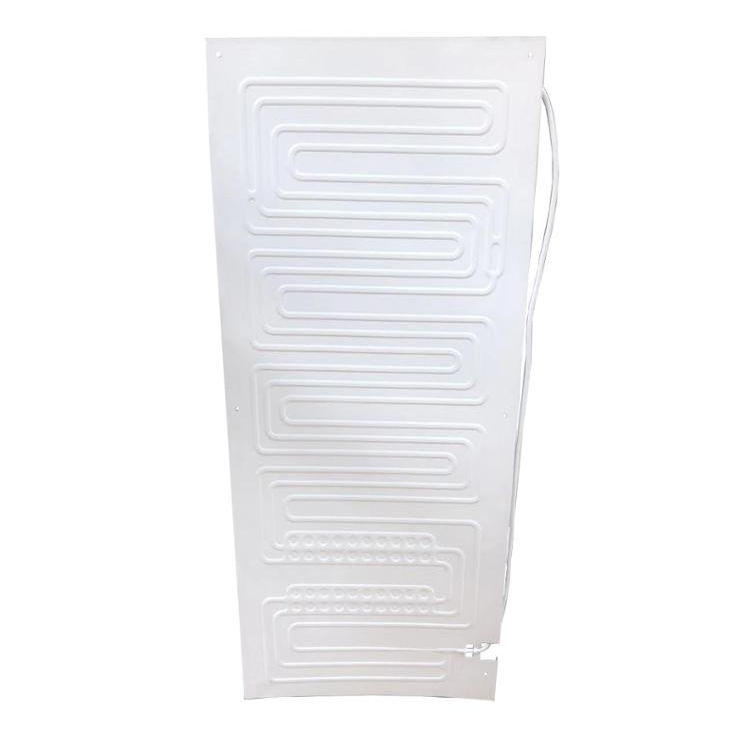
How Refrigerator Evaporators Absorb Heat Through Phase Change
Liquid-to-Vapor Transition: The Core Thermodynamic Process
Inside a fridge, the evaporator works by absorbing heat when liquid refrigerant changes state from liquid to gas. As this refrigerant moves through those metal coils inside the appliance, it pulls heat away from whatever is stored inside the fridge compartment. What's interesting about this process is that even though energy is being absorbed, the actual temperature of the refrigerant doesn't go up much during this transformation. Instead, most of that energy goes toward making the phase change happen, which takes around 150 BTUs per pound for typical refrigerants such as R-134a or R-600a. All of this happens at pretty cold temperatures ranging between minus 15 degrees Fahrenheit to about 20 below zero Fahrenheit (-26°C to -7°C). These specific conditions depend on how much pressure there is in the system and what kind of refrigerant we're talking about. Basically, this whole process where temperature stays relatively constant while the refrigerant evaporates forms the foundation of how most modern refrigeration systems work today.
Convection, Conduction, and Surface Heat Transfer in Real-World Operation
Heat absorption works through three main processes working together: convection, conduction, and surface heat exchange. Warm air inside the system flows over the evaporator's finned coil surface, either naturally rising or pushed along by fans depending on the setup. The second step involves heat moving through the metal fins and tubes, usually made of copper or aluminum, until it reaches the refrigerant inside. At the point where refrigerant meets the metal tubing, proper design matters most. Manufacturers optimize things like how closely spaced the fins are, the size of the tubes, and how the whole coil is arranged to create better contact and turbulence for maximum heat transfer. Boosting surface area generally improves efficiency somewhere between 15% to 25%, provided nothing blocks the airflow. But frost buildup creates serious problems. Just a quarter inch of ice acts like insulation, cutting heat transfer capacity by as much as 70%. This forces compressors to work harder for longer periods, which obviously increases energy consumption and maintenance costs over time.
Refrigerator Evaporator Integration in the Full Refrigeration Cycle
Synchronization with Compressor, Condenser, and Expansion Device
The evaporator plays a key role in this whole system cycle. When it absorbs heat and turns everything into vapor, the refrigerant leaves the evaporator section and heads toward the compressor. There it gets squeezed together and heated up quite a bit. What happens next? This hot, pressurized vapor makes its way to the condenser unit where it gives off heat to whatever surrounds it and changes back into liquid form. Then comes the expansion part, usually done through either a capillary tube or what's called a thermostatic expansion valve. This part causes a sudden drop in pressure which cools things down again, creating a mix of liquid and vapor just right for going back into the evaporator. Getting all these parts working together properly matters a lot. If something doesn't match up, like having too small a condenser or putting too much refrigerant into the compressor, the whole system can lose about 30% efficiency. Most folks in the industry know this already and focus on making sure components fit the intended workload, keeping the right amount of refrigerant in there, and getting good airflow throughout all those heat exchange areas.
Refrigerant Feed Methods: Dry Expansion vs. Flooded (Flash Gas) Systems
Evaporators receive refrigerant in two primary configurations, each suited to different applications and performance requirements:
| System Type | Refrigerant State at Entry | Evaporator Fill Level | Key Applications |
|---|---|---|---|
| Dry Expansion | Liquid-vapor mixture | Partial (40–60%) | Household refrigerators, residential AC units |
| Flooded | Liquid | Full (80–90%) | Industrial chillers, large cold storage systems |
Dry expansion systems work by letting refrigerant enter as a mix that completely turns into vapor before leaving the coil. This setup relies heavily on accurate metering and is common in home appliances because it's simple, needs less refrigerant overall, and is easier to service when problems arise. Flooded systems keep a constant pool of liquid refrigerant running through the evaporator. This allows for better heat pickup across the surface area and gives about 10 to 15 percent better thermal efficiency compared to dry expansion methods. But there's a catch. These flooded setups need separate equipment to split vapor from liquid, involve complex refrigerant handling procedures, and demand materials that won't corrode over time. That's why industrial applications tend to favor them more than residential ones do. Both types struggle with efficiency drops when frost builds up in humid conditions, which makes good defrosting techniques absolutely essential for maintaining performance levels.
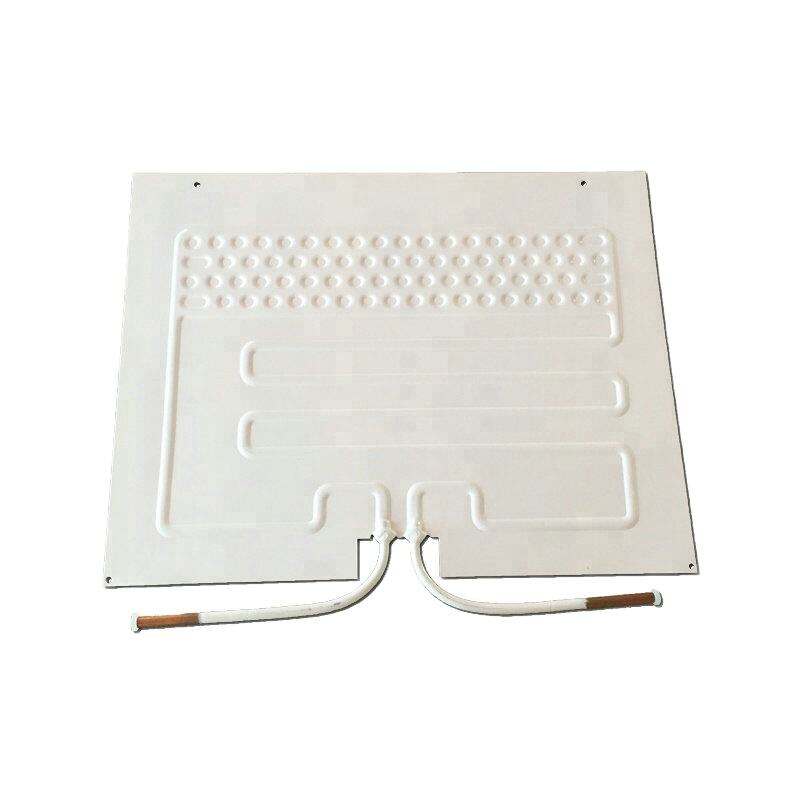
Key Performance Factors and Operational Challenges for Refrigerator Evaporators
Frost Accumulation, Airflow Restrictions, and Coil Maintenance Impact
When it comes to evaporator problems, frost buildup remains the biggest headache for technicians and facility managers alike. Once frost accumulates beyond about a quarter inch thickness, heat transfer drops dramatically between 20 to 30 percent. This frost layer acts like insulation, making compressors strain harder while driving up energy bills by roughly 30%. Things get even worse when airflow gets restricted. Dirty filters, dusty coils, or blocked ductwork can cut cooling power by another 15% or so. Regular maintenance makes all the difference here. Cleaning coils every three months and checking those defrost systems twice a year keeps things running smoothly. Skip these basic checks and costs will climb fast. Worse still, complete system failures aren't uncommon either. Industry data from 2023 shows repair bills for damaged compressors typically run anywhere from four hundred to six hundred dollars, which nobody wants to see on an invoice.
Design & Environmental Influences: Refrigerant Compatibility, Surface Area, Humidity, and Corrosion Resistance
Long-term evaporator reliability depends on four interrelated design considerations:
- Refrigerant compatibility: Newer hydrofluoroolefin (HFO) refrigerants like 2,3,3,3-tetrafluoroprop-1-ene (R-1234yf) demand specialized internal coatings to prevent micro-leaks and material degradation.
- Surface area optimization: While higher fin density improves heat transfer, exceeding 14 fins per inch in humid conditions (>60% RH) promotes frost lock—reducing airflow and triggering premature defrost cycling.
- Humidity management: Each 10% increase in ambient relative humidity requires approximately 7% more frequent defrost cycles to maintain stable coil performance, according to ASHRAE refrigeration engineering guidelines.
- Corrosion resistance: In coastal or high-salt environments, evaporator corrosion accelerates threefold compared to inland locations—necessitating aluminum alloys or polymer-coated tubing. Corrosion-resistant alloys extend evaporator lifespan by 40% in aggressive conditions, making material selection a decisive factor in total cost of ownership.
These variables collectively determine whether an evaporator delivers years of quiet, efficient operation—or becomes a recurring source of downtime and repair expense.