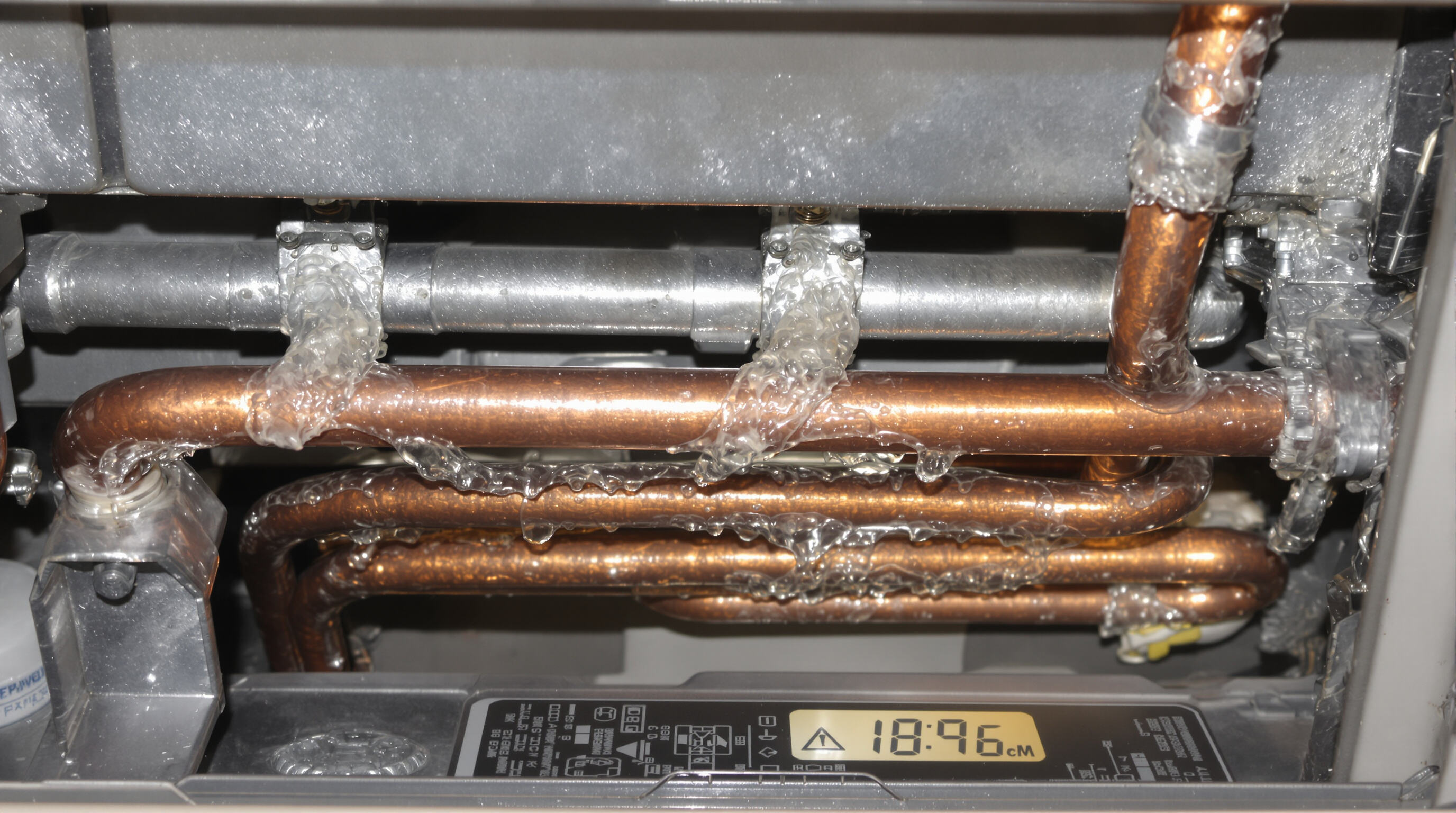
In home air conditioning systems, the capillary tube serves as a kind of precision control valve within the refrigeration cycle. These tubes are generally made from copper and measure around half a millimeter to two millimeters across. They work by creating just the right amount of resistance when high pressure liquid refrigerant leaves the condenser part of the system. When this refrigerant flows through the tiny opening, the friction plus the drop in pressure causes it to expand quickly and cool down dramatically, going from warm at about 45 degrees Celsius all the way down close to freezing point. What happens next is pretty amazing - this transformation results in a cold, low pressure mix that's perfect for picking up heat inside the evaporator coils. Capillary tubes have become so popular in residential units because they're simple to install, last a long time without breaking down, and don't cost much money either. That's why many manufacturers still rely on them especially in areas where regular maintenance isn't feasible or practical.
Refrigerant flow is regulated by the capillary tube’s fixed dimensions: longer or narrower tubes increase resistance, reducing flow. Key performance factors include:
Unlike adjustable expansion valves, capillary tubes offer a fixed flow rate, making them optimal only when precisely matched to system design.
| Feature | Capillary Tube | Thermal Expansion Valve (TXV) |
|---|---|---|
| Cost | $8–$15 | $40–$100 |
| Adjustability | Fixed flow | Automatic adjustment |
| Maintenance | None | Requires calibration |
| Ideal Application | Residential ACs | Commercial refrigeration |
While TXVs provide superior adaptability in fluctuating conditions, capillary tubes remain dominant in home air conditioning due to their reliability, simplicity, and proven performance in stable environments.
When cooling systems start losing around 15 to 20% of their capacity, it usually points to problems with the capillary tube. This becomes noticeable when spaces just won't cool down properly even though the unit keeps running nonstop. What happens is that partial blockages get in the way of refrigerant moving through the system, which makes the compressor strain extra hard while delivering less actual cooling power. Research into these kinds of issues suggests that restricted flow can knock system efficiency down by as much as 18 percent, and this effect gets really pronounced during those sweltering summer days when demand for cooling is at its highest.
Even tiny particles measuring around 40 microns, which is roughly a third of what a single strand of hair would be, can actually get stuck inside the capillary tube. Most of the time, moisture is what causes problems here. When the system expands, ice tends to form right where the tube gets really narrow. According to industry data, about seven out of ten service calls related to capillary tubes are because of these moisture issues, usually when previous repairs didn't properly remove all the moisture from the system. Once blocked up like this, the system struggles to absorb heat properly, and technicians often notice the evaporator coil starts frosting over in an odd, patchy way instead of evenly across the surface.
High-pitched whistling near the indoor unit may signal turbulent refrigerant flow through a damaged or partially blocked capillary tube. Technicians monitor two key pressure readings:
Consistent preventive maintenance significantly extends the life of household AC systems by protecting sensitive components like the capillary tube. Proactive care reduces repair costs by up to 50% compared to reactive fixes, helping avoid costly compressor damage and refrigerant loss.
Schedule biannual inspections of the condenser coil and refrigerant lines using manufacturer-approved tools and solvents. Accumulated debris exceeding 0.5mm can disrupt pressure balance across the capillary tube’s 0.5–2.0mm bore. Ensure drain pans are clear during cleaning, as stagnant condensate promotes corrosion particles that may enter the refrigerant stream.
Before every cooling season starts, technicians should check refrigerant levels using properly calibrated manifold gauges. The goal is to keep superheat readings no more than 2 degrees above or below what the manufacturer specifies. When systems are undercharged, there's not enough oil getting around the system. This causes extra friction and wear on components like the capillary tube. On the flip side, putting too much refrigerant in creates problems too. Excess charge can lead to liquid slugging that messes up compressor oil quality. Worse still, this creates acidic sludge buildup that tends to collect right where the tubing gets narrowest. These contaminants really shorten equipment lifespan if left unchecked.
Clogged air filters can spike system pressure by up to 35%, disrupting capillary tube function and stripping lubricants from refrigerant flow. A clean filter maintains stable operation and minimizes contaminant buildup:
| Maintenance Schedule | Filter Impact on Capillary Health |
|---|---|
| Monthly replacement | Reduces particulate ingress 80% |
| Quarterly inspection | Prevents pressure fluctuations |
| Off-season sealing | Eliminates pest-related debris |
Pre-season maintenance ensures optimal system balance. Technicians assess airflow symmetry, test electrical components, and calibrate thermostats. This comprehensive approach keeps capillary tube performance within safe efficiency thresholds, preventing the exponential rise in ice blockage risk that occurs beyond a 15% efficiency drop.
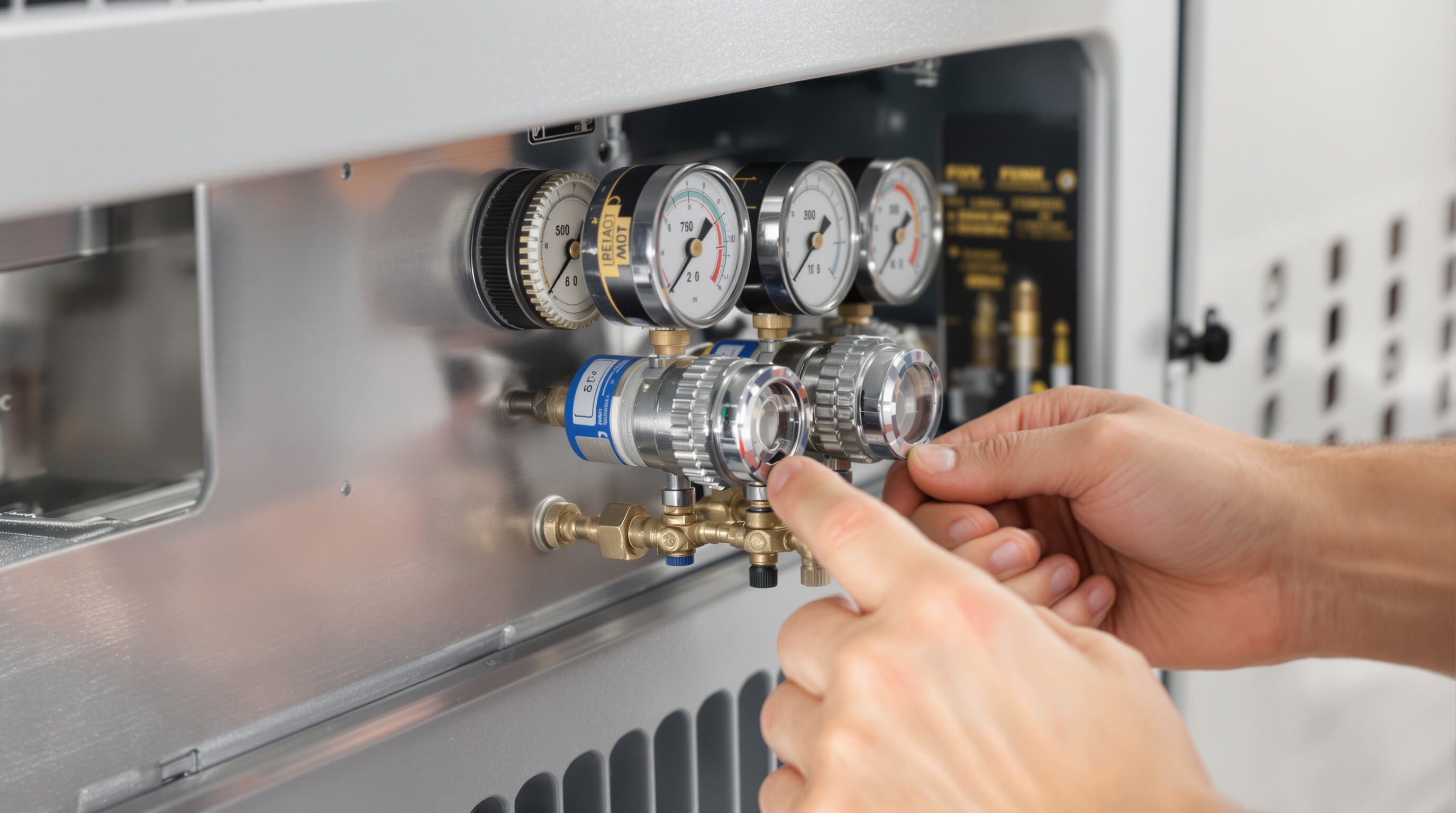
When checking for flow issues, techs usually grab their pressure gauges and look at what happens to pressure as it moves through the capillary tube. Most systems in good shape will show around 60 to 80 psi difference between where the refrigerant goes in and comes out. If the numbers fall outside that window, there's probably something clogging up the works somewhere along the line. To get reliable readings though, it's important to take measurements when everything's actually running, not just sitting idle. Compare these live readings against what the manufacturer specs say they should be seeing under normal operating conditions. This gives a much clearer picture of whether we're dealing with minor restrictions or something more serious blocking the flow completely.
When we see ice forming around the capillary tube outlet, that usually means there's something blocking the refrigerant flow. This can happen because of clogs in the system or just plain wrong refrigerant levels. The thing is, when the flow gets restricted, pressure drops too much in certain spots. This makes those areas get really cold, colder than freezing actually, which leads to ice forming right there. If the ice keeps coming back, especially after the system goes through its defrost cycle, chances are good there's moisture getting into the system somewhere. Moisture tends to collect and freeze solidly at the narrow part of the tube where things get most constricted.
A 2023 analysis of 120 residential AC units found that 68% of capillary tube failures resulted from moisture ingress. Water in the system forms ice crystals that adhere to the inner walls, reducing effective diameter by 40–60% over 6–12 months. Affected systems showed:
| Symptom | Average Performance Drop |
|---|---|
| Cooling Capacity | 34% reduction |
| Energy Efficiency | 28% decrease |
| Compressor Runtime | 42% increase |
Proper vacuum evacuation during service removes over 99.7% of moisture, significantly reducing failure risk.
First things first, turn off the power supply completely before anyone touches anything. Then get that refrigerant out safely through an EPA certified recovery system. When it comes time to cut out the damaged section, use those precision cutters carefully so we don't end up with all sorts of metal shavings getting into the system later on. Installing the replacement capillary tube requires some special attention too. Most technicians forget about nitrogen purging when they're brazing, but skipping this step leads to oxidation problems down the road which is actually one of the main reasons tubes fail prematurely. For sealing those joints properly, nothing beats good old phosphorous copper alloy solder. It creates those tight seals that just won't let refrigerant escape. And let's face it, statistics show that roughly 4 out of every 10 early failures happen because someone messed up during installation somehow.
When repairing capillary tubes:
Chemical flushing can resolve minor blockages, such as oil buildup common in older systems (affecting about 58% of units over 10 years old), and may serve as a temporary fix. However, full replacement is necessary when:
Technicians report an 84% success rate with replacement versus 52% for flushing in severe cases. While replacement costs about 40% more, it offers greater long-term reliability.
The capillary tube serves as a precision control valve in home air conditioning systems, regulating refrigerant flow by creating resistance as it moves through the system.
Signs of capillary tube failure include cooling inefficiency, refrigerant blockages, unusual noises, and pressure imbalances.
Yes, blockages can reduce system efficiency by up to 18%, especially during high-demand periods such as summer.
Regular cleaning and inspection, proper refrigerant charge, consistent air filter maintenance, and seasonal servicing help maintain capillary tube health.
A full replacement is recommended if corrosion reduces wall thickness or if stress fractures are present at bends or joints, offering greater long-term reliability.
 EN
EN


 Hot News