HVAC techs working on refrigeration systems just can't do without welding torches in their toolkit. These handy devices come into play when connecting copper refrigerant lines, sealing those stubborn aluminum evaporator coils, and fixing up compressor housings that have developed cracks over time. According to recent industry data from ASHRAE, around two thirds of all refrigeration repair jobs actually require brazing either copper to copper or copper to brass connections, something that demands pretty specific heat application right at the joint. What makes these torches so valuable is their ability to handle solderless fixes in tight spots nobody really wants to work in - think about those cramped rooftop units or the tiny internal spaces inside appliances where standard repair techniques simply won't fit.
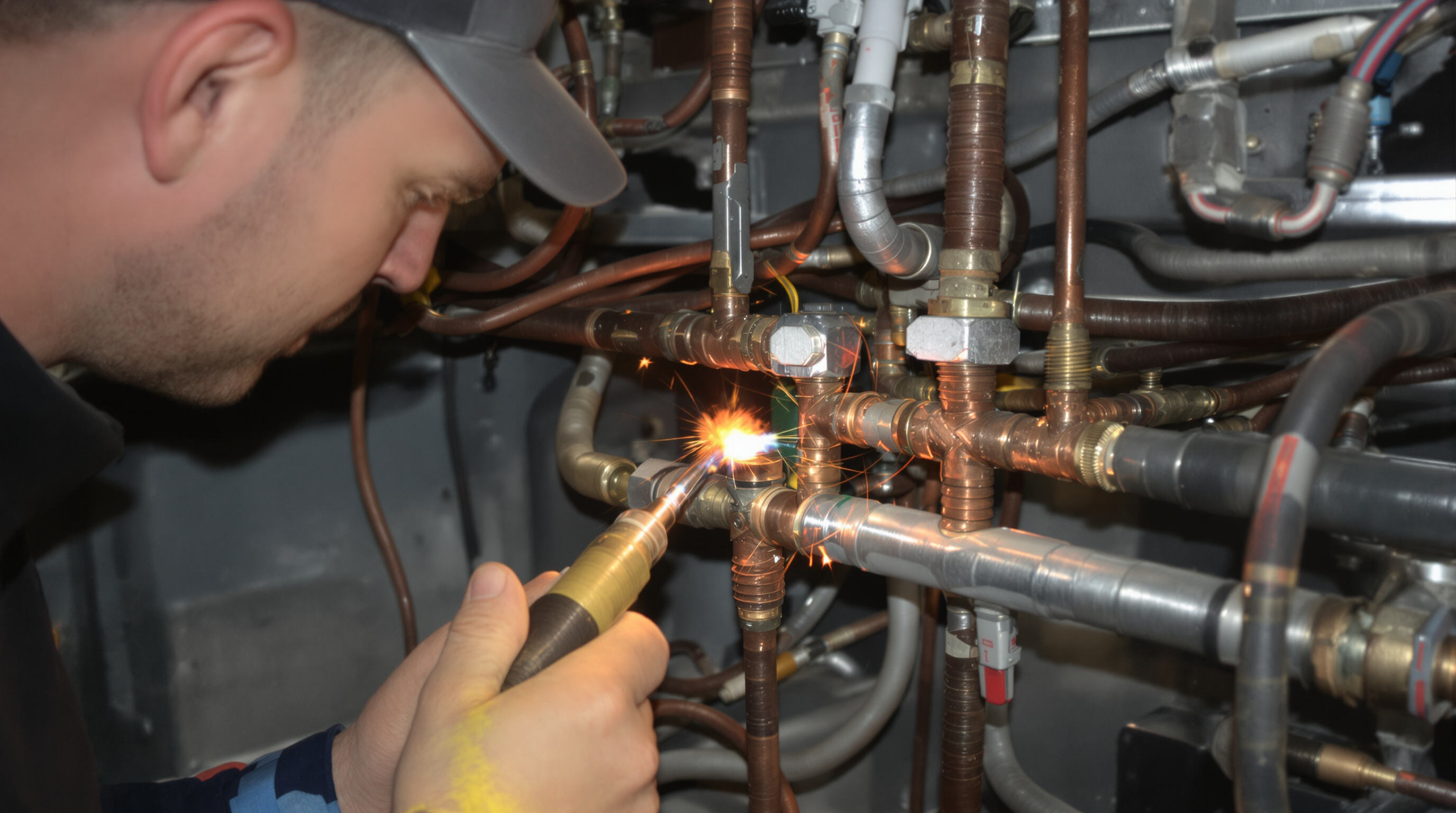
Because copper conducts heat so well, it needs to be heated quickly and evenly when brazing to stop those thin walled tubes from warping. Aluminum refrigerant lines show up in about 35% of today's systems according to the HVAC Tech Journal last year, and they absolutely need to stay under around 1,200 degrees Fahrenheit during heating otherwise the base metal just melts away. For connections between different kinds of metals, getting that flame right matters a lot. Oxidizing flames will actually weaken aluminum over time, and carburizing flames tend to mess up copper joints by leaving carbon deposits behind. Technicians have learned this through experience rather than textbooks most of the time.
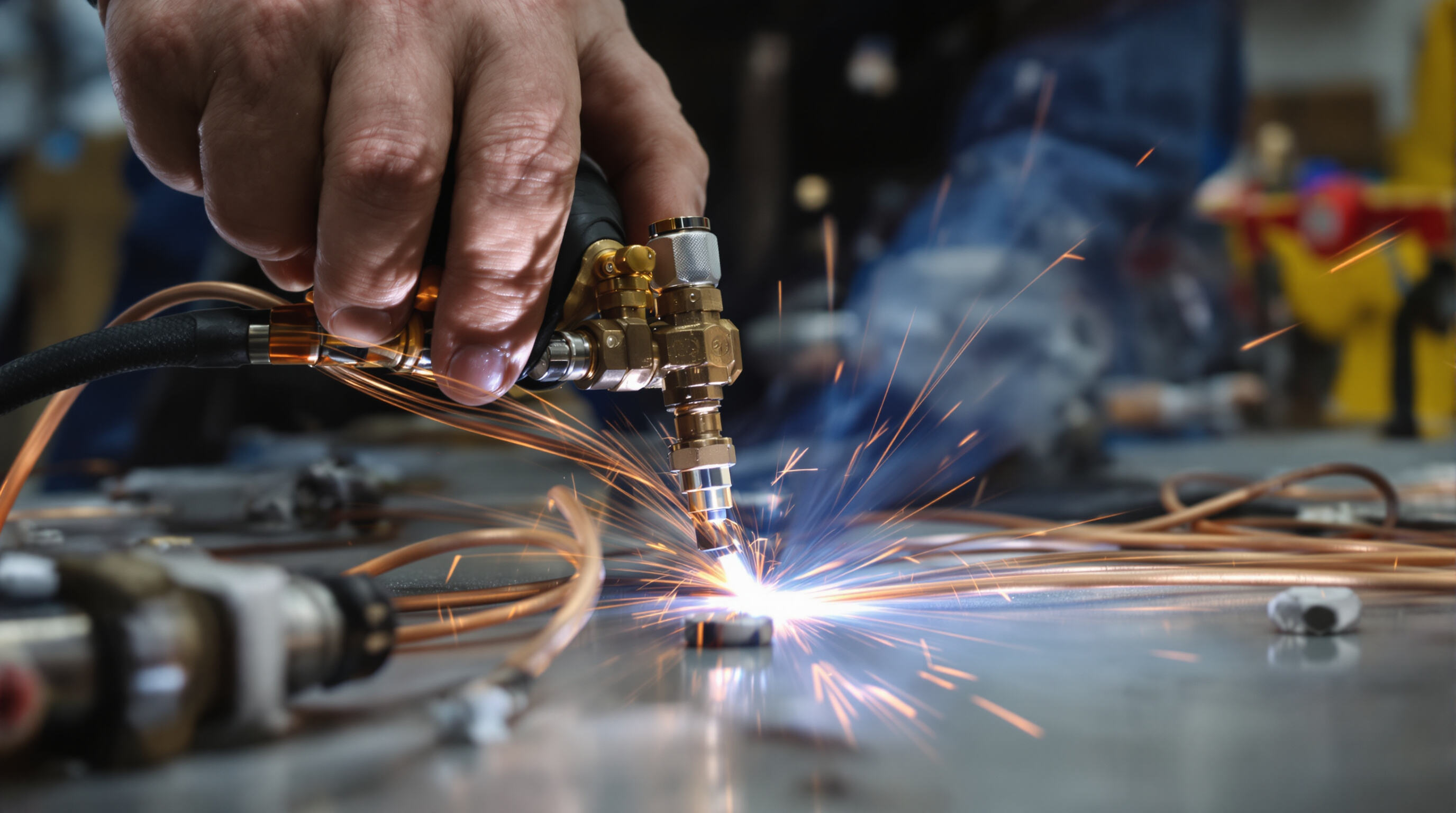
Keeping flame temperatures within about 5 degrees Fahrenheit makes all the difference when protecting delicate parts such as capillary tubes and TXV valves from getting damaged by heat. Braziers who work with torches that have three stage adjustable valves can fine tune their gas pressure between half a pound and one and a half pounds per square inch. This range works great for joining copper tubing sizes from 1/8 inch up to 3/8 inch. The best results come from having a flame tip that's no wider than a quarter of an inch across. Such precision matters a lot when dealing with those tiny microchannel coils or whenever there are other heat sensitive components nearby during the brazing process.
The selection of welding torch really comes down to what kind of fuel we're talking about and how hot the flame needs to get. Most HVAC techs stick with either propane, acetylene, or MAPP gas depending on what job they're facing. Acetylene gives off this incredible heat around 3,480 degrees Celsius which makes it great when working on those heavy duty copper pipes. Propane isn't quite as intense at about 1,995 degrees so it works better inside tight spaces where safety matters more than speed. Some folks prefer MAPP gas because it strikes a nice middle ground between being easy to carry around and still getting things done quickly enough to minimize oxidation problems when soldering aluminum fittings together. According to last year's Refrigeration Systems Journal article, this approach helps maintain quality connections without all the hassle.
Adjusting the oxygen-fuel ratio produces different flame types tailored to specific metals:
| Flame Type | Best For | Example Application |
|---|---|---|
| Neutral | Copper, stainless steel | Refrigerant line connections |
| Oxidizing | Aluminum alloys | Evaporator coil repairs |
| Carburizing | Steel components | Compressor housing fixes |
Oxygen-acetylene remains the industry standard for copper brazing, achieving 95% joint integrity in controlled studies (2024 Refrigeration Brazing Report). Newer MAPP gas formulations now support 88% success rates for thin-walled tubing, offering a practical alternative when portability is a priority.
While air-fuel torches offer greater portability, oxygen-acetylene systems provide superior precision for repairs requiring sub-millimeter accuracy, such as capillary tube work. Technicians report 30% faster completion times with oxygen-acetylene during complex evaporator rebuilds. However, safe operation requires proper training in gas handling and flashback prevention.
When working with copper lines, the oxy-acetylene torch needs to hit around 1300 to 1500 degrees Fahrenheit but not much higher than that, otherwise those thin walls might get damaged from too much heat. Aluminum joints are different though they should stay under about 1200 degrees to keep them from melting right through. For joining copper to copper, most technicians reach for a 55/45 zinc copper filler rod because it tends to create really solid connections that hold up well over time. The situation changes when dealing with aluminum alloys such as 6063 which shows up a lot in evaporator coils. These need special silicon based filler metals since regular ones won't penetrate the grains properly. Cleaning surfaces before brazing remains absolutely essential work. A good old fashioned stainless steel wire brush does wonders at removing oxidation buildup on metal surfaces. According to recent studies by ASHRAE, failure to clean properly accounts for roughly a quarter of all HVAC system joint problems these days.
Copper tubing that's thin walled, anything under an eighth of an inch really, works best when using air acetylene torches paired with number two tips. These create those nice focused flames needed for controlling the melt area around three sixteenths of an inch. Now when dealing with aluminum pipes thicker than a quarter inch, switch to oxy MAPP gas systems instead. Set it up with what we call a carburizing flame, keeping that gas to oxygen mix at roughly twice as much fuel as oxidizer helps get the filler flowing better through those larger gaps between pieces. And here's something worth remembering about vertical connections: tilt that torch about forty five degrees or so while working on them. This little trick makes sure the molten filler spreads out evenly on both sides rather than pooling too much on one side.
Researchers from the Materials Research journal looked into how copper and aluminum joints perform in those variable speed chillers everyone's talking about these days. When techs used micro tip torches set to around 8 psi gas pressure along with BCuP-6 filler metal, they got impressive results - about 94% joint integrity, which is way better than the old school method that only hits around 76%. Getting this kind of success wasn't luck though. The key was keeping that tiny 0.040 inch gap between the metals during assembly. After brazing, they also needed to do some post treatment heating at approximately 400 degrees Fahrenheit to relieve all that built up stress in the materials. These findings could really change how we approach these kinds of connections in industrial settings.
Good quality refrigeration repair torches should really have check valves that stop backflow issues, plus flashback arrestors which prevent dangerous flame spread, along with gas connections that won't leak. The latest Welding Safety Report from 2023 actually shows workplaces using equipment with all these safety features saw about 40 percent fewer accidents happening. When working on copper lines specifically, it makes sense to go for torch models equipped with automatic flashback detection systems. These jobs involve pretty intense heat levels exceeding 550 degrees Fahrenheit, so having that extra layer of protection is just smart practice for anyone dealing with refrigerant systems regularly.
In tight or enclosed repair environments:
The HVAC Best Practices Guide (2024) recommends 18–24 air exchanges per hour in appliance compartments to prevent the accumulation of combustible gases during torch operations.
Technicians working in the field regularly struggle with finding the right balance between being able to move around easily and staying safe. Sure, lighter torches let them work better in tight spaces, but they tend to miss out on those important safety features most folks want. What seems to work best are these compact tools weighing less than two pounds that actually have thermal overload protection built right in. According to a recent study from the Refrigeration Tools Association back in 2024, workers who switched to these models saw their repair times drop by about a quarter without compromising on safety at all. When fixing lines on rooftops made of aluminum specifically, getting a torch with those flip-up heat shields makes sense for several reasons. Not only do they protect against accidental impacts, but they also save precious space when working in confined areas where every inch counts.
Welding torches are crucial for connecting refrigerant lines, sealing evaporator coils, and fixing compressor housings, especially in difficult-to-reach areas.
The most common materials are copper and aluminum, which have specific heating requirements to avoid warping and melting.
Flame types include neutral, oxidizing, and carburizing, each suited for different metals like copper, aluminum alloys, or steel.
Key safety features include check valves, flashback arrestors, and leak prevention systems to reduce the risk of accidents.
 EN
EN


 Hot News