Regular maintenance of air conditioning systems really makes a difference when it comes to how well HVAC units perform and how much energy they consume. When things like coils and filters stay free from dirt and grime, the whole system runs smoother. Most homes see about a 15 to 20 percent boost in efficiency after getting their systems cleaned twice a year, which translates to around $120 to $240 saved on monthly utility bills over time. Another big plus? Catching problems before they become emergencies saves money too. Industry experts say regular checkups can stop roughly 85% of those costly surprise repairs because technicians spot refrigerant leaks or electrical issues early on. Spring and fall are great times to schedule these maintenance visits. Technicians typically brush out condenser coils and replace filters seasonally, something that actually adds 3 to 5 extra years to an AC unit's life compared to systems that get ignored completely. Plus, there's the bonus of better indoor air quality. Well-maintained systems filter out about 90% more dust and allergens than neglected ones, and they stop mold from growing inside the ducts where nobody wants it.
Always turn off power at the main breaker panel and remove the unit’s disconnect switch before cleaning. Electrical safety guidelines from the 2024 HVAC Safety Report emphasize that 63% of maintenance-related shocks occur when users skip this step. For window units, unplug the system entirely and wait 15 minutes for capacitors to discharge.
Avoid abrasive brushes or high-pressure hoses that bend condenser fins. Instead, use: - Soft-bristle fin combs ($8–$15 at HVAC suppliers) - PH-neutral coil cleaners labeled "safe for AC systems" - Vacuum attachments under 2.5 inches wide A 2023 study found units cleaned with non-approved products required repairs 40% more often. When using an AC cleaning cover, ensure it’s breathable and UL-listed to prevent mold growth from trapped moisture. Leading brands design covers with antimicrobial layers that block debris without restricting airflow.
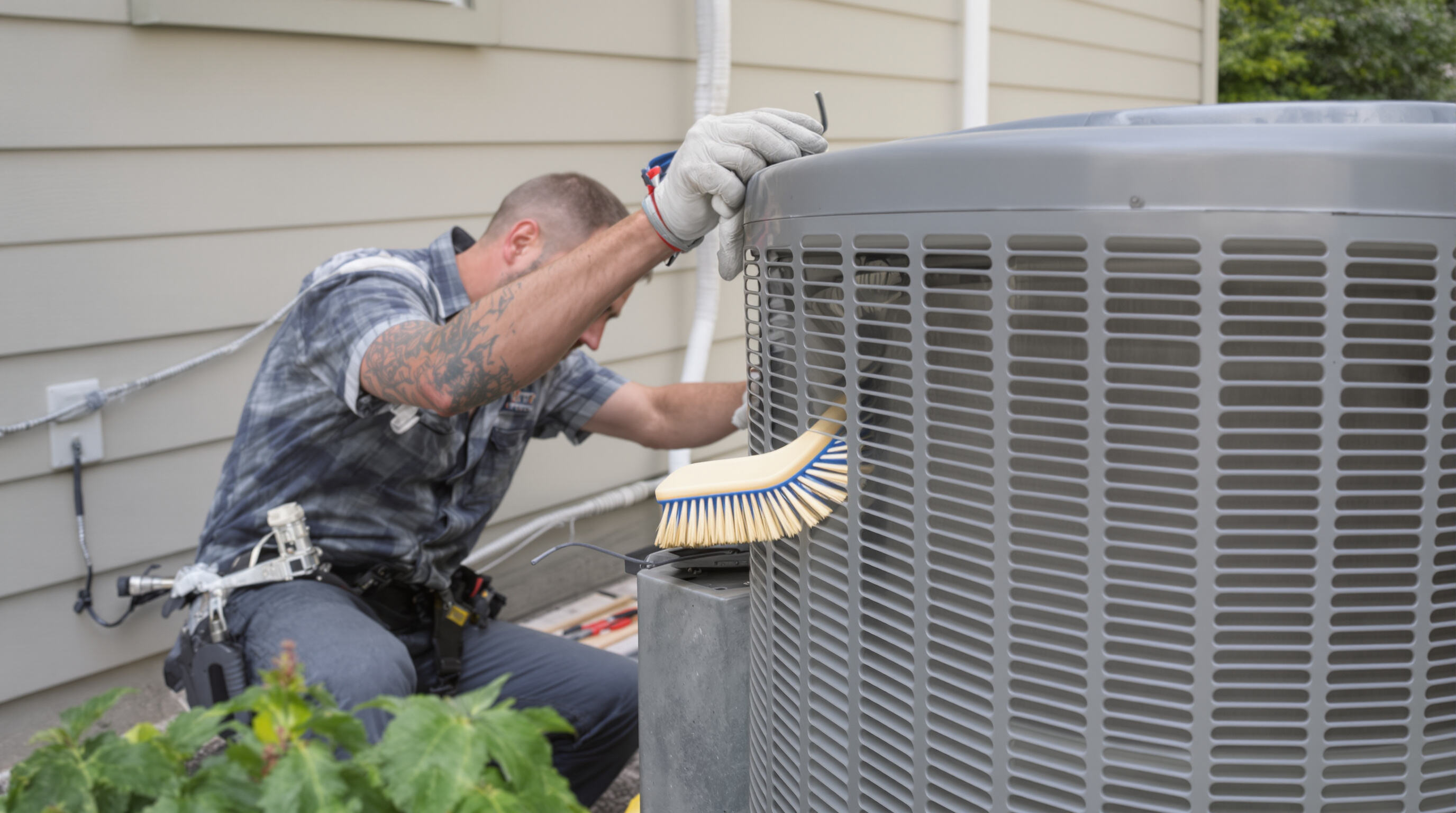
First things first, turn off the electricity at the main breaker box to stay safe from shocks. That was mentioned before but worth repeating since safety comes first always. Get rid of all the stuff growing on the outside of the condenser like leaves, branches, and old grass bits. A stiff brush works great or maybe one of those attachments for vacuums if they have one lying around. When cleaning the fins themselves, start spraying from the inside towards the outside with regular garden hose pressure. Don't go crazy with pressure washers though because they can bend those delicate fins permanently. If some fins look bent out of shape, head down to the hardware store for special fin combing tools. Straightening these messed-up fins makes air flow better through the system again. Also keep at least two feet free space around the whole unit so nothing gets stuck there. According to some recent studies from DOE back in 2023, doing this simple maintenance trick can actually make systems run about 15 percent more efficiently over time.
When picking out an AC cover, go for something made from breathable mesh material that's designed for HVAC systems. Put it on during those quiet winter months when the system isn't running much, but leave it off completely during summer cooling season. The mesh lets moisture escape while keeping snow and dirt away from the unit. Important thing though - don't let the cover create a tight seal around the bottom of the unit because trapped water will just speed up rust formation over time. Spring is definitely the right time to take the cover off again before doing maintenance work, otherwise there's a real risk of the system overheating once it starts working hard again.
Trim shrubs and branches back at least two feet from the outdoor unit and avoid surrounding it with mulch or gravel. Slope soil away from the base to divert rainwater—these steps ensure unobstructed ventilation and support consistent system performance.
Once the indoor parts are accessible via those service panels, give those evaporator coils a good vacuuming first. Then grab some non-corrosive cleaner meant specifically for coils and work it in properly. Make sure to rinse everything off well with warm water afterwards. Now about those air filters - if they're the disposable kind, swap them out every three months or so. For the washable ones, just clean them thoroughly when needed. Keeping these filters fresh is actually pretty important because clogged filters really do eat up energy. The numbers from Energy Star back this up too, showing dirty filters can push energy usage up around 15%. That's money down the drain quite literally.
Visually scan both coil types for frost accumulation, bent fins, or organic buildup indicative of airflow restrictions. Schedule professional coil checks if corrosion appears—proactive detection slashes repair costs by 20–40% (ACHR News 2023).

When an evaporator drain line gets clogged, it can actually flood the whole HVAC system, leading to water damage and mold problems that really mess with indoor air quality. To fix this issue, most people find success clearing out blockages every three months or so with either a wet dry vacuum or those special tools made for cleaning drains. The usual suspects blocking these lines tend to be stuff like algae buildup and sludge accumulation, which happens quite often in areas where humidity is high. Getting rid of these obstructions quickly helps avoid expensive repair bills later on plus protects against potential health risks from mold exposure. For long term maintenance, it's smart to keep the outdoor unit free from dirt and leaves by covering it up when not in use during off seasons. A good quality AC cleaning cover works wonders here.
When dealing with small clogs, mixing half a cup of white vinegar with some warm water works wonders for most drains. Just pour it down and let sit for a bit before flushing everything out. The good news is that this homemade fix actually eats away at gunk without harming pipes either. For tougher problems, there are special enzymatic cleaners made specifically for HVAC systems that tackle those pesky microbes that build up over time. These should be used about every three months though. Remember to put on some gloves and eye protection whenever working with cleaning products. After applying whatever cleaner, always give the system a good rinse with plain water to wash away any leftover stuff. Regular maintenance like this keeps coils from getting blocked and saves money on wasted energy in the long run.
Homeowners should check their duct systems about twice a year looking for any holes or cracks that can cut down on airflow by as much as 30 percent. When finding these issues, sealing them properly requires good quality mastic tape rather than regular duct tape which tends to fail over time. Dust buildup and even little pest nests inside the ducts need clearing out too, so grabbing a strong shop vacuum works best for most situations. Bent parts of the ductwork often appear near corners where installation was rushed, so straightening those sections matters quite a bit. Make sure furniture isn't blocking air vents anywhere in the house either. Well maintained ducts spread cool air better throughout living spaces and typically saves around 20% off yearly electricity bills according to industry estimates. For really thorough cleaning, bringing in professionals makes sense roughly every three to five years depending on how dusty the environment happens to be.
Establishing a structured maintenance plan optimizes HVAC performance while avoiding unnecessary service costs. Most residential systems benefit from bi-annual professional inspections in spring (pre-cooling season) and fall (pre-heating season), aligning with ACCA-recommended maintenance standards for peak efficiency.
Spring maintenance should prioritize condenser coil cleaning, refrigerant level checks, and outdoor unit preparation. Fall routines focus on furnace inspections, ductwork evaluations, and thermostat calibration. This seasonal cadence prevents 73% of common system failures according to HVAC efficiency studies (2023).
Summer preparation:
Winter preparation:
Contact licensed technicians immediately if you notice:
Excessive filter changes or coil cleanings waste resources and may damage components, while neglected systems work 40% harder according to ENERGY STAR data. Strike balance by following manufacturer guidelines and tracking maintenance dates in a shared household calendar.
Regular maintenance boosts efficiency by 15-20% and can add 3-5 extra years to the unit's lifespan. It also catches problems early, preventing costly repairs and promoting better indoor air quality.
Turn off the power at the main breaker and remove the disconnect switch. Use safe, manufacturer-approved tools and cleaning products.
Bi-annual professional inspections in spring and fall are recommended, along with regular cleaning and filter changes every three months.
For summer: Clear vegetation, replace air filters, test thermostat accuracy. For winter: Insulate refrigerant lines, schedule duct leakage tests, verify drainage line functionality.
 EN
EN


 Hot News